Chakra balancing techniques are contemplative practices, meditation, yoga, breathwork, mantra, crystals, colour, affirmations, and Reiki, used to keep energy flowing evenly through the seven chakras along the spine. In yogic tradition, none of these are medical treatments. They are ways to steady the mind and set intention, working from the root upward.
Key Takeaways
- The main chakra balancing techniques are meditation, yoga (asana), breathwork (pranayama), sound and mantra, crystals, colour, affirmations, and Reiki, most people combine two or three.
- Tradition suggests working from the root chakra upward, since a settled base is said to steady every centre above it.
- Each chakra has its own colour, seed mantra, and stone: red and Lam at the root, up to violet and silence at the crown.
- Meditation and yoga are the two practices with genuine research behind them, mainly for stress and calm, not for any measurable 'energy.'
- A seven-stone chakra bracelet or tumbled set is a useful focus tool, not a cure.
What does chakra balancing actually mean?
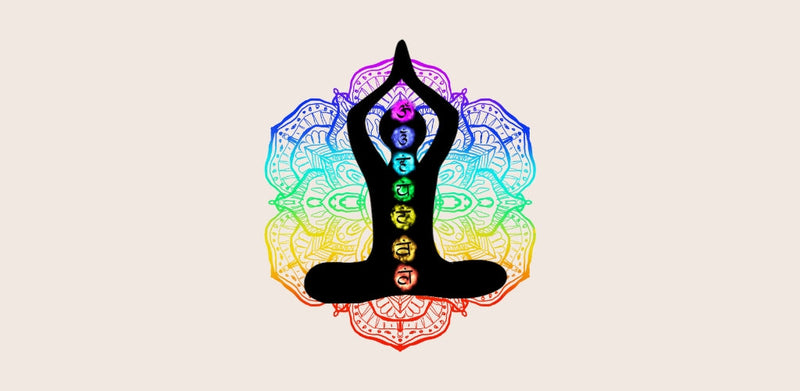
Chakra balancing means using contemplative practice to encourage even, unobstructed energy flow through the seven chakras. According to Encyclopaedia Britannica, the Sanskrit word chakra means 'wheel,' describing spinning energy centres in yogic and tantric belief. 'Balancing' is the idea of keeping each wheel turning freely rather than blocked or overactive.
It helps to be honest about what this is. Chakras have not been located by anatomy or measured by science. They are a spiritual map of the self, not a physical structure. So 'balancing' is really a practice of attention: sitting, breathing, moving, and focusing on one theme at a time, safety, creativity, confidence, love, expression, insight, awareness.
That reframing matters because it tells you what to expect. The value people report is calm, focus, and a sense of intention. If you approach these techniques as gentle self-care rather than treatment, they do what they are meant to do. For the full map of all seven centres, start with our guide to the seven chakras explained.
Why work from the root upward?
Tradition treats the chakras as one connected system, energy rising from the base of the spine to the crown, so a lower centre is said to support those above it. This is why most balancing routines start at the root and move up. Steady the foundation first, then open the heart, then the crown.
Think of it like building. You would not decorate the top floor before the foundation was firm. In the same spirit, if you feel scattered or anxious, grounding the root chakra usually comes before reaching for the more abstract crown practices. A shaky base makes everything above it feel unstable.
You do not have to be rigid about it. Many practitioners simply begin with whichever theme feels most pressing right now, more grounded, more creative, more confident, and let the sequence follow. The root-up order is a helpful default, not a rule.
Technique 1: Meditation
Meditation is the core chakra balancing technique, calming the mind and resting attention on the breath or on a single chakra point. In a typical session you picture each centre in turn, from red at the root to violet at the crown, and hold gentle focus there. It is the one practice with the strongest research support.
According to the U.S. National Center for Complementary and Integrative Health (NCCIH), meditation and mindfulness may help with stress, anxiety, and general well-being, though the strength of evidence varies by condition. That benefit comes from the act of sitting and breathing, not from any proven movement of energy.
A simple chakra meditation: sit comfortably, close your eyes, and spend a minute or two on each centre, breathing slowly and imagining its colour glowing warm and clear. Start at the base of the spine and rise to the crown. Even five to ten minutes is enough to begin.
Technique 2: Yoga (asana)
Yoga postures target specific chakras through the body, standing poses for grounding, hip openers for the sacral, backbends for the heart. Like meditation, yoga has researched benefits for stress and flexibility, according to the NCCIH, quite apart from its role in the chakra tradition. Movement and breath together are the point.
Certain poses map neatly onto certain centres. Grounding standing poses like Mountain (Tadasana) and Tree (Vrksasana) are linked to the root. Hip openers like Bound Angle (Baddha Konasana) suit the sacral. Chest-opening backbends like Cobra and Camel are tied to the heart, and shoulder stands to the throat and crown.
You do not need an advanced practice. A short daily sequence, moving slowly and breathing with each pose, does more than an occasional long class. For a grounding starting point, see our root chakra yoga poses for grounding your energy.
Technique 3: Breathwork (pranayama)
Breathwork, or pranayama, uses controlled breathing to move prana (life force) through the body's subtle channels. In the chakra tradition, breath is the vehicle that carries energy up the spine. Slow, even breathing calms the nervous system, which is why it opens almost every balancing session.
The techniques are simple. Equal breathing (sama vritti), inhaling and exhaling for the same slow count, steadies the whole system and suits the root and heart. Alternate-nostril breathing (nadi shodhana) is said to balance the ida and pingala channels and is a classic for the third eye. Even a few rounds shifts how you feel.
A word of care: keep breathwork gentle. If you feel dizzy or lightheaded, return to normal breathing. Pregnant readers and anyone with a heart or lung condition should check with a doctor before trying intense retention practices.
Technique 4: Sound and mantra
Sound balancing uses chanting, singing bowls, and bija (seed) mantras tuned to each chakra. Every centre carries its own seed sound in tradition: Lam for the root, Vam for the sacral, Ram for the solar plexus, Yam for the heart, Ham for the throat, Om for the third eye, and silence for the crown. Chanting is felt as vibration.
The idea is that sound resonates with a centre and helps clear it. You chant the seed mantra slowly, feeling the buzz in the matching part of the body, or let a singing bowl's tone wash over you. The throat chakra, being the centre of voice, responds especially well to this.
Mantra needs no equipment and travels anywhere. For a focused practice, read our guide to throat chakra mantras to balance your expression. Even repeating a single Om for a few minutes is a complete practice in itself.
Technique 5: Crystals and colour
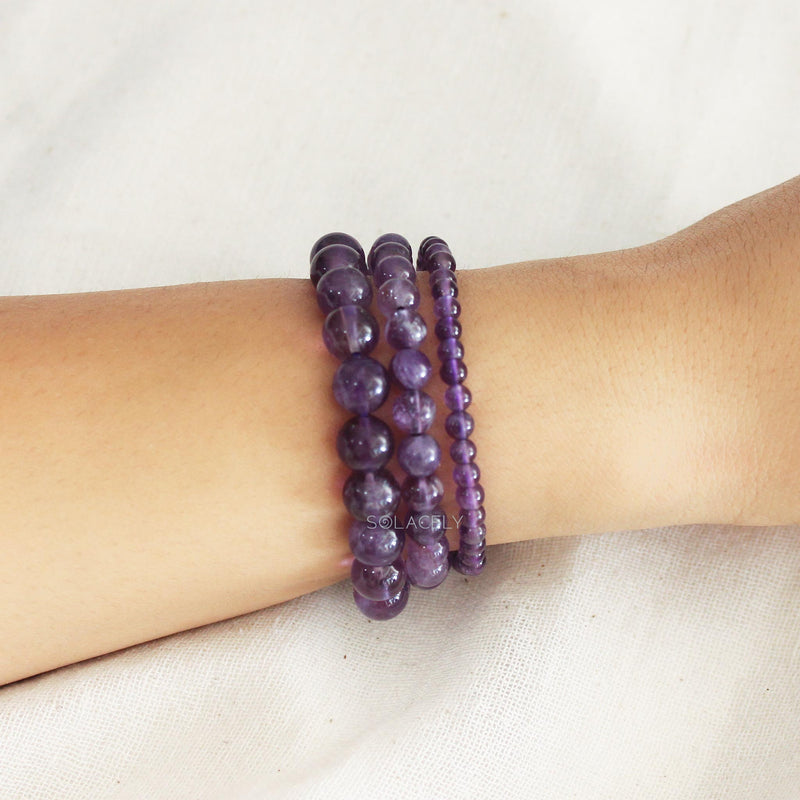
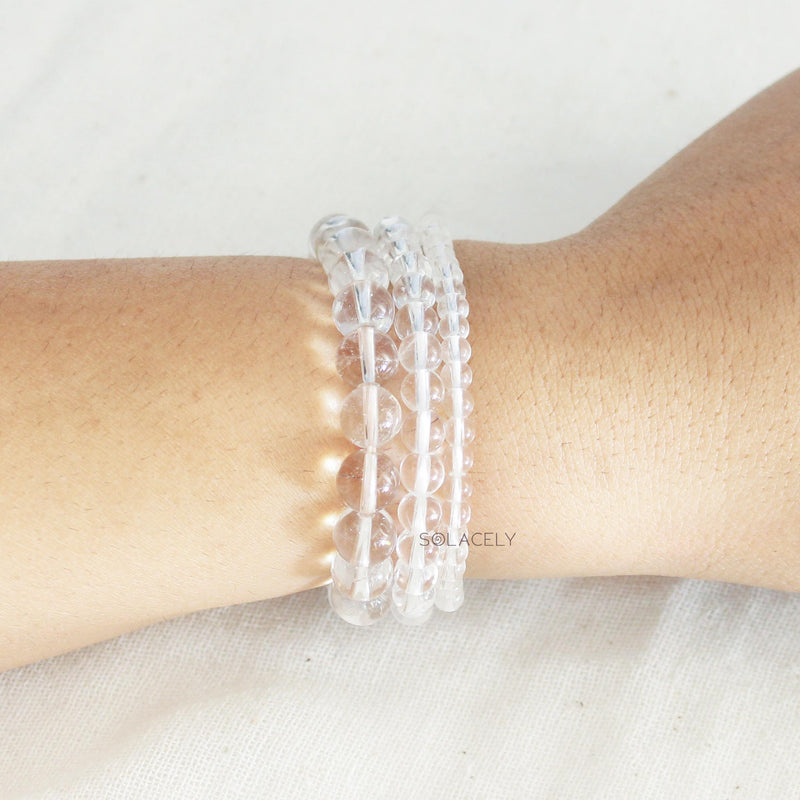
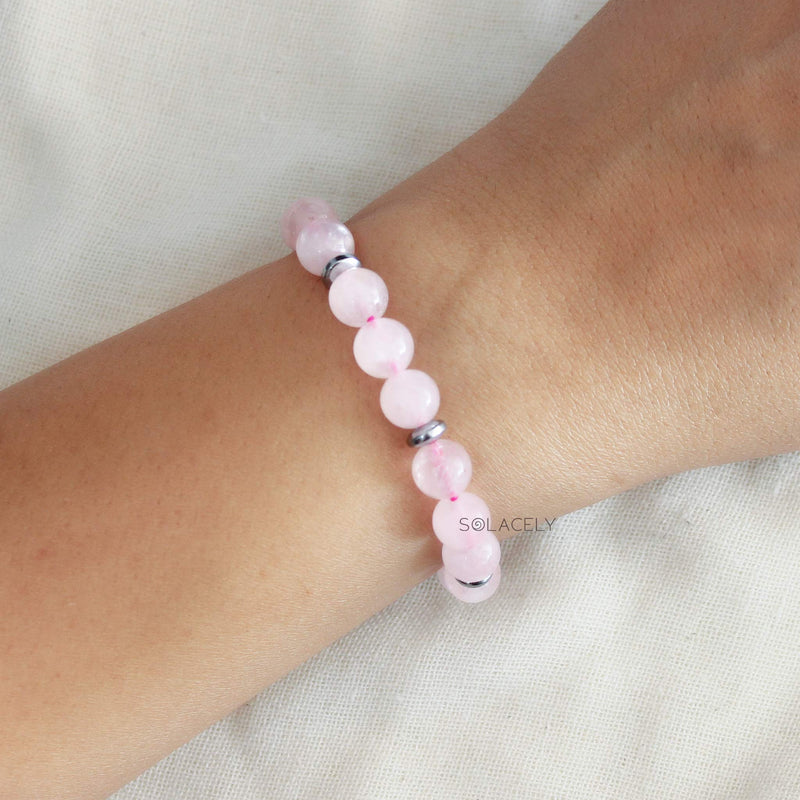
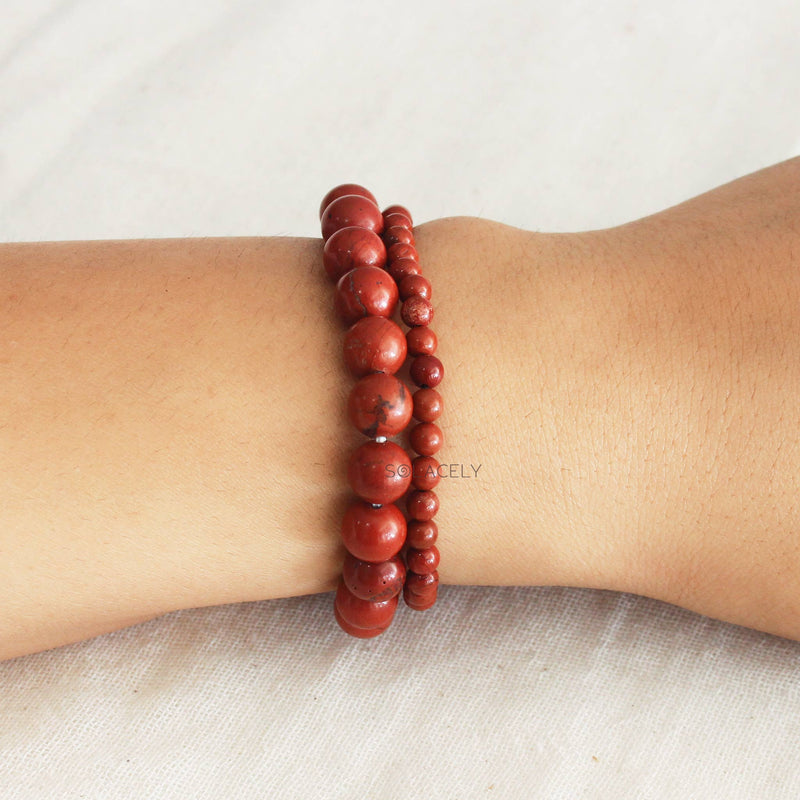
Crystals and colour balancing pair each chakra with a stone and a hue matched to its place in the rainbow. Red jasper for the root, up through orange, yellow, green, and blue, to violet amethyst at the crown. The crystals work as focusing tools and reminders of intention, not as medicine.
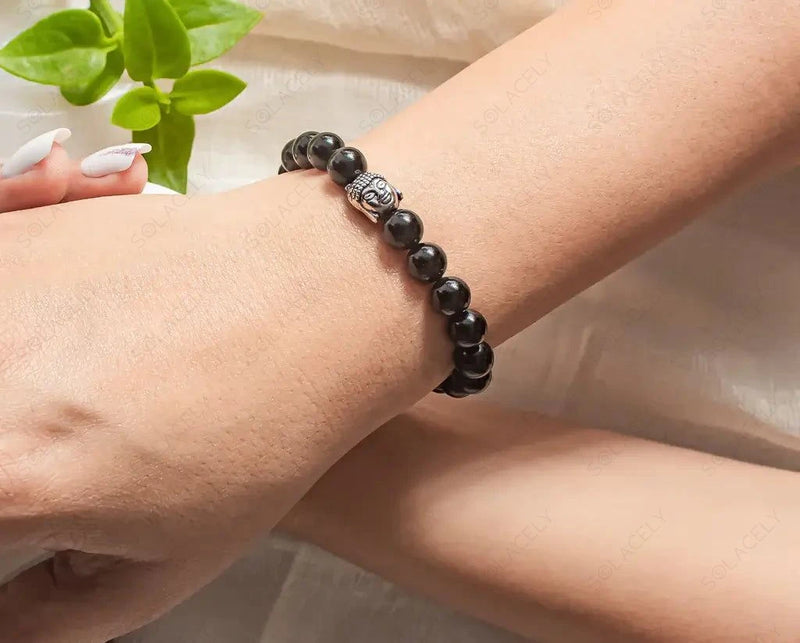
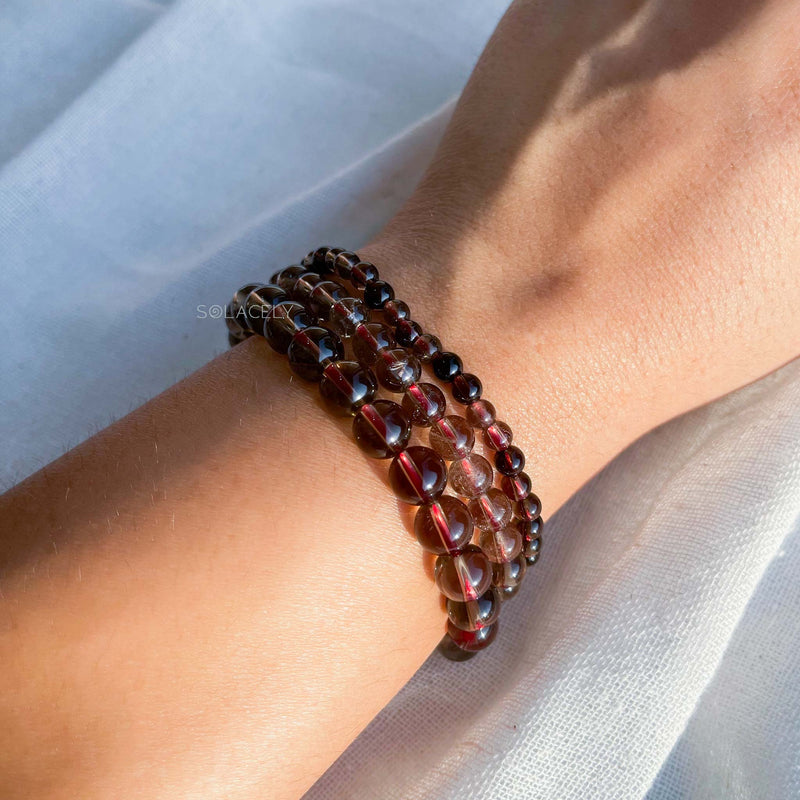
In practice, people place a matching stone on each centre while lying down, wear a seven-stone bracelet strung red to violet, or simply hold one stone during meditation. Colour works the same way: surrounding yourself with a chakra's colour, in clothing, food, or light, is a gentle prompt to hold that theme in mind.
A seven-stone chakra bracelet or tumbled set is the popular starting point. Wear it as a cue to pause and breathe. For the heart specifically, see our guide to crystals for the heart chakra and rose quartz.
Technique 6: Affirmations
Affirmations are short, present-tense statements matched to each chakra's theme, spoken to reinforce a settled mindset. 'I am safe' for the root, 'I love and accept myself' for the heart, 'I speak my truth' for the throat. Repeated regularly, they work like any positive self-talk: they steer attention.
The method is easy to fold into daily life. Choose one line for the chakra you are working with, and repeat it, aloud or silently, during meditation, while wearing your bracelet, or in front of the mirror each morning. Pair it with a slow breath so the words land rather than rush past.
Affirmations are strongest when they are believable. 'I am completely fearless' may feel hollow; 'I am learning to feel safe' often sticks better. For the heart, our heart chakra affirmations guide gives ready lines to start with.
Technique 7: Reiki and energy work
Reiki is a Japanese energy-healing practice in which a practitioner places hands on or near the body to encourage relaxation and, in belief, smoother energy flow through the chakras. It is a hands-on complement to the self-led techniques above, usually received in a quiet session rather than practised alone.
In a typical session you lie clothed while the practitioner moves their hands over each chakra in turn. Many people describe it as deeply calming, similar to the relaxation of a good massage or meditation. As with all these practices, treat the effect as rest and intention, not as a medical outcome.
Reiki has no proven physical mechanism, and it should never replace medical care. If you are curious, choose a practitioner you trust and go in with the same open, unhurried attitude you would bring to a meditation. It sits alongside the tradition rather than above it.
Summary table: technique, colour, mantra and stone by chakra
Here is the quick reference tying the techniques together, one row per chakra, from the root up to the crown. Use it to match a practice, a colour, a seed sound, and a stone to whichever centre you want to work with. Colours run in rainbow order, exactly as chakra jewellery is strung.
| Chakra | Colour | Seed mantra | Stone | Signature practice |
|---|---|---|---|---|
| Root (Muladhara) | Red | Lam | Red jasper, black tourmaline | Grounding standing yoga, barefoot walking |
| Sacral (Svadhisthana) | Orange | Vam | Carnelian, orange calcite | Hip-opening yoga, creative play |
| Solar plexus (Manipura) | Yellow | Ram | Citrine, tiger's eye | Core breathwork, confidence affirmations |
| Heart (Anahata) | Green | Yam | Rose quartz, green aventurine | Chest-opening poses, self-love affirmations |
| Throat (Vishuddha) | Blue | Ham | Sodalite, lapis lazuli | Chanting, mantra, singing bowls |
| Third eye (Ajna) | Indigo | Om | Amethyst, lapis lazuli | Alternate-nostril breath, meditation |
| Crown (Sahasrara) | Violet / white | Silence | Clear quartz, selenite | Silent meditation, stillness |
Keep the order in mind. Because energy is said to rise from the base, most people work down this table from top to bottom, steadying the root before reaching the crown.
How to build a simple balancing routine
A balancing routine layers a few techniques into ten or fifteen minutes, worked from root to crown. You do not need every method at once. Pick two or three you enjoy, meditation plus one stone, or breathwork plus a mantra, and keep them consistent rather than elaborate.
A sample routine looks like this:
1. Settle (2 minutes): sit comfortably, close your eyes, and breathe slowly and evenly to calm the mind. 2. Ground the root (2 minutes): picture red at the base of the spine, and silently affirm 'I am safe.' 3. Rise through the centres (5 minutes): move up chakra by chakra, holding each colour and seed mantra for a breath or two. 4. Rest at the crown (2 minutes): picture violet or white light at the top of the head and simply sit in the quiet. 5. Close (1 minute): take three normal breaths, wiggle your fingers, and open your eyes.
Common mistakes are worth avoiding. Do not force or rush, do not skip the root because it feels 'basic,' and do not treat any of this as a substitute for medical or mental-health care. Start small and let it become a habit. For deeper grounding, our guide on nurturing and healing the root chakra is the place to go next, and the crown chakra definition explains where the sequence ends.
Sources
- Encyclopaedia Britannica, "Chakra." britannica.com
- National Center for Complementary and Integrative Health (NIH), "Meditation and Mindfulness: What You Need To Know." nccih.nih.gov
- National Center for Complementary and Integrative Health (NIH), "Yoga: What You Need To Know." nccih.nih.gov
Frequently asked questions
About the author


Written by Chetna Sharma, crystal healing practitioner and co-founder of Solacely. Chetna has worked with healing crystals for over a decade and curates Solacely's protective stone collection.