The best corporate gifting follows a few simple rules: set a budget by relationship tier, choose useful and personal items over logo swag, time gifts around the festive season and milestones, present them well, and check the tax and policy position before you order. Get these right and a modest gift can strengthen a relationship more than an expensive but generic one. Below are ten tips that make gifts land.
Key Takeaways
- Budget by relationship tier, not one flat figure, and personalize inside the tier rather than upgrading the price.
- Choose useful, keepable items over logo-stamped swag, and keep branding subtle.
- The festive season is the peak gifting window, so plan and order three to four weeks ahead.
- Check two things before a large run: the tax treatment in your market and the recipient's gift-acceptance policy.
- Personalize lightly and present well. Packaging is part of the gift, not the wrapping around it.
1. Set a budget by relationship tier
Decide what each tier of recipient is worth before you shop, so generosity stays consistent and defensible. A workable structure is one figure for wider client and team lists, a higher one for key clients and managers, and a top tier for leadership and anchor accounts. Tiering keeps your best and newest contacts each feeling appropriately valued, and stops a large list quietly ballooning your spend.
Within a tier, personalize rather than upgrade the price. A thoughtful mid-range gift beats a careless expensive one every time. For premium tiers specifically, our guide to luxury corporate gifts breaks down picks tier by tier.
2. Choose useful over flashy
A gift that gets used stays visible. A gift that impresses once ends up in a drawer. Favour items with a genuine daily or desk life, such as a quality pen, a crystal desk piece, or a good hamper, over novelty gadgets. The test is simple: would the recipient choose this for themselves? If yes, you have picked well.
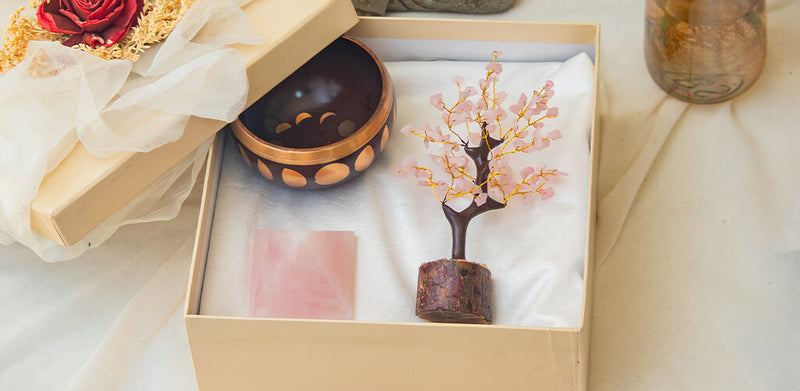
Useful does not mean boring. A crystal tree or a singing bowl is decorative and lasting, which is why wellness pieces travel well across seniority and taste. Match the object to how the person actually works and lives.
3. Keep branding subtle
Heavy logo branding turns a gift into an advertisement and lowers its perceived value instantly. Keep your mark discreet: a small engraving, or branding on the card and packaging rather than the object itself. The recipient should want to keep the item because they like it, not tolerate it despite the logo.
There is a place for branded merchandise, but it is not the executive or key-client gift. Save loud branding for event giveaways, and let relationship gifts feel personal.
4. Personalize, but lightly
Personalization is what separates a thoughtful gift from a bulk order, yet it is easy to overdo. A name, initials, or a milestone date plus a handwritten note usually lands better than heavy customization. The handwritten line in particular signals real attention in a way no printed insert can.
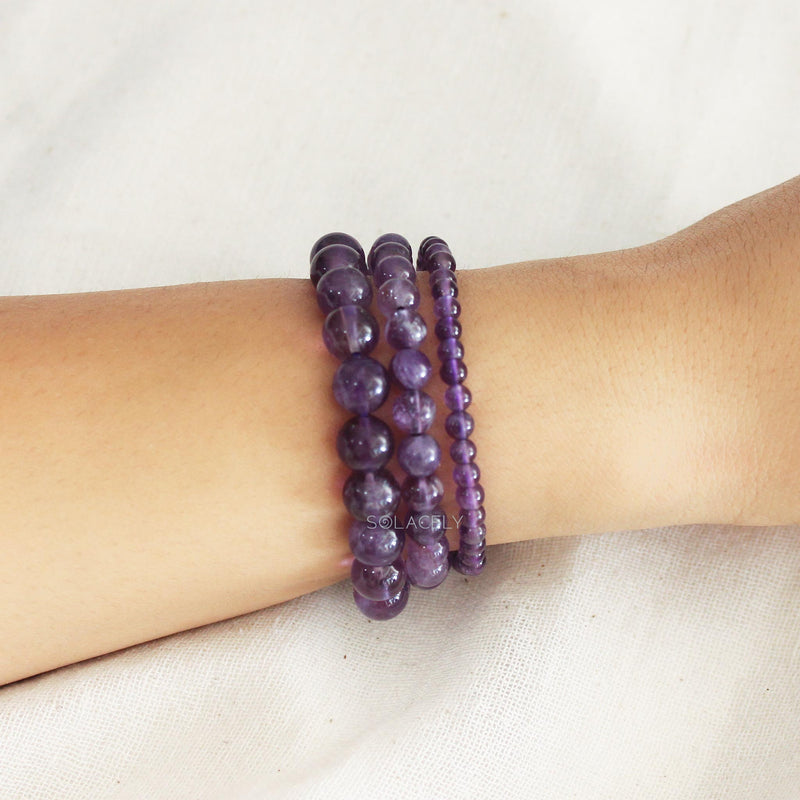
Match the personal touch to the person: a calming amethyst for a high-stress client, a grounding stone for a decisive leader. Small, specific choices read as care.
5. Time it around the festive season and milestones
The festive season is the single biggest corporate gifting window, and timing shapes how a gift is received almost as much as the gift itself. Plan your list and order three to four weeks ahead, because demand and courier volumes spike sharply in the run-up. In markets that celebrate Diwali it is the anchor date. Elsewhere the year-end holidays play the same role.
Beyond the festive peak, tie gifts to the new year, company anniversaries, and project completions. Avoid one trap: sending gifts to government or regulated clients just before a purchasing decision, where a gift can read as influence rather than goodwill. Our note on thoughtful corporate gifts covers occasion etiquette in more depth.
6. Check the tax position before a large run
Corporate gifting sits under tax rules that teams routinely miss until it is too late to change the order. Most tax systems treat employee gifts above a set threshold as a taxable benefit in the employee's hands, and many block input tax credit or deductions on gifts entirely once a value cap is crossed. The thresholds differ by market and often change year to year.
For client gifts, treat the spend as a relationship investment rather than a guaranteed deduction. The practical move is simple: get the current position from your accountant before a large gifting run, not after the invoices land. It usually changes how you structure the run rather than whether you do it.
7. Present it well
Presentation is the first impression of your judgment, so treat packaging as part of the gift. A rigid box, quality tissue or a fabric wrap, and protective padding for anything fragile make even a modest item feel considered. Place the handwritten card on top so it is the first thing the recipient sees.
For a large list, a consistent, well-designed box across the group keeps the experience premium at scale. The unboxing is part of the memory, and a crushed courier bag undoes the whole gesture.
8. Respect gift-acceptance policies
Many companies, and most public sector and regulated organisations, cap what an employee may accept, or require gifts above a value to be declared. A gift that has to be returned or logged helps no one and can create real awkwardness. Where you can, confirm the recipient's gift policy before sending anything of value.
When in doubt with major or sensitive clients, a modest, meaningful gift, or a donation in their name, sidesteps the issue while still landing warmly. Discretion protects the relationship.
9. Make it inclusive and neutral
A corporate list spans cultures, diets, and beliefs, so choose gifts that work for everyone. Neutral, non-religious items such as quality desk pieces, hampers with widely acceptable contents, and wellness objects avoid unintended missteps. If you include food, note common dietary preferences and label clearly.
Crystal and decor pieces are a safe, inclusive choice because they read as thoughtful without assuming anyone's faith. Keep any spiritual framing optional and light.
10. Plan ahead and order in bulk early
Last-minute gifting is where quality slips, especially in the festive weeks when stock and couriers are stretched. Build your list, confirm quantities, and order three to four weeks ahead, adding a few spares for late additions. For anything engraved or made to order, book the lead time early.
Ordering early also lets you negotiate on volume and keep the whole batch consistent. For creative, standout picks when you have the runway to plan, see our unique corporate gift ideas, and for client-specific choices, corporate gifts for clients.
A corporate gifting calendar
Spreading gifting across the year, rather than saving it all for the festive peak, keeps relationships warm and takes pressure off any single deadline. A simple calendar helps you plan budgets and orders in advance. Use it as a starting frame and adapt it to your team, clients, and regions.
| Occasion | Timing | Who | Gift note |
|---|---|---|---|
| Festive peak (Diwali or year-end) | Order three to four weeks ahead | Clients, employees, partners | The flagship gifting moment. Plan this one first |
| New year | Start of the calendar year | Clients, key accounts | A fresh-start desk piece or hamper |
| Financial year-end | Your reporting year close | Top performers, partners | Recognition and thank-you gifts |
| Work anniversaries | Rolling | Employees | Personalized and milestone-based |
| Project completion | Rolling | Client teams | A timely thank-you, sent after the decision |
Building this rhythm means you order early, negotiate on volume, and never scramble in the final week. It also spreads spend across quarters instead of one large festive spike.
Quick tier-to-gift cheat sheet
When you are moving fast, a simple tier-to-gift map keeps every choice on brand and appropriate to the relationship. Match the tier to the relationship, then personalize within it. These are starting points, not rules. Adjust them for your industry and your accounts.
| Tier | Best gift types | Recipient |
|---|---|---|
| Entry | Crystal tumble, quality pen, artisan tea, engraved keychain | Wide team and client lists |
| Mid range | Crystal bracelet, small crystal tree, leather cardholder, hamper | Managers, mid-tier clients |
| Premium | Fine pen, leather portfolio, singing bowl, curated hamper | Key clients, partners |
| Executive | Statement crystal geode, premium leather, an experience, jewellery | Leadership, anchor accounts |
Keep the presentation consistent across a tier so the whole batch feels considered, and personalize with a name or handwritten note within each one. When in doubt, spend a little less on the object and a little more on the packaging and the note, because that is what the recipient actually remembers. A well-chosen mid-range gift, beautifully presented, almost always outperforms a rushed expensive one.
Gifting for remote and hybrid teams
With teams spread across cities and working from home, corporate gifting now has to travel well and arrive intact. Choose items that courier safely and do not need a signature-perfect handover: durable desk pieces, well-packed crystal decor, hampers, and quality stationery. Anything fragile needs rigid packaging and a tracked service so it reaches a home address in one piece.
Collect delivery addresses early and confirm them, because home addresses change more often than office ones. For a distributed team, a consistent gift and box across everyone keeps the experience equal, so nobody feels they got less because they work remotely. A short handwritten or printed note inside carries the personal touch that an in-person handover would otherwise provide.
Timing matters more for remote gifting, because courier networks slow down through the festive weeks and the new year. Order earlier than you would for office delivery, and build in a buffer for addresses that take longer to reach. Done well, a thoughtful gift arriving at a remote colleague's door can land even more warmly than one handed over at a desk, because it shows the effort of reaching them where they are.
Sources
- Gemological Institute of America, Quartz: gia.edu/quartz
- International Gem Society, Selecting gems for durability: gemsociety.org/article/select-gems-durability
- Britannica, Diwali: britannica.com/topic/Diwali-Hindu-festival
Frequently asked questions
About the author


Written by Chetna Sharma, crystal healing practitioner and co-founder of Solacely. Chetna has worked with healing crystals for over a decade and curates Solacely's protective stone collection.