A thoughtful corporate gift is one chosen for the specific person receiving it, not pulled off a bulk list. It shows you noticed something: their role, their taste, a milestone they reached. That is what turns a transaction into a relationship, and it is why a well-judged mid-range gift often lands harder than a careless expensive one.
Key Takeaways
- Thoughtful means personal: match the gift to the recipient's role, taste, and a moment that matters, not just your budget.
- A handwritten note is the single highest-impact, lowest-cost upgrade to any corporate gift.
- Work in three tiers: meaningful, considered, and signature. Set the tier by relationship depth.
- Spend two minutes picturing the actual person before you open a catalogue. The right gift usually chooses itself.
- The festive season is the peak window, so plan personalized gifts three to four weeks ahead.
What makes a corporate gift thoughtful?
A thoughtful gift signals attention. It answers a quiet question in the recipient's mind, did they actually think about me, with a clear yes. The mechanism is emotional rather than financial. Intention is the product, and everything else is packaging around it.
Thoughtfulness has three ingredients. First, relevance: the gift fits how the person works, lives, or celebrates. Second, a personal signal, such as a name, a note, or a nod to a shared moment. Third, quality that respects them, because a flimsy item undercuts any sentiment. Miss all three and even a costly hamper reads as a line item.
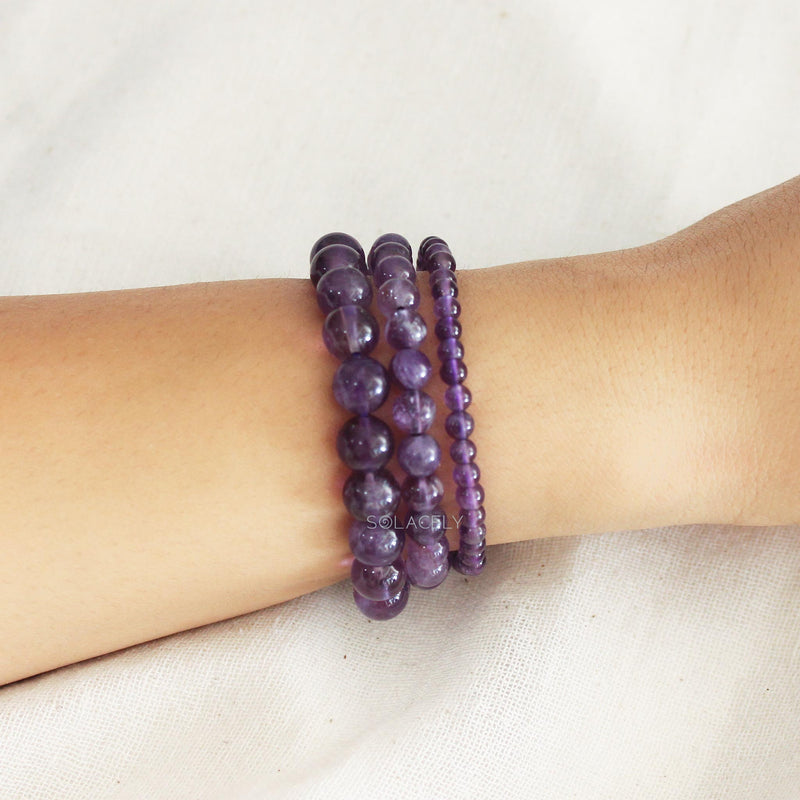
The contrast is easy to feel. A generic mug with a logo says we sent everyone the same thing. A calming amethyst piece for a client who just closed a punishing quarter says we saw what you went through. Same category, completely different message. Our corporate gifting tips guide covers the operational rules. This piece is about the feeling behind the choice.
Read the recipient before you shop
The step most gifters skip is simple: picture the actual person before you pick anything. What do they do all day, what have they just been through, and what would make them feel genuinely seen? Spend two minutes here and the right gift usually chooses itself, no catalogue-scrolling required.
Ask a few grounding questions. Is this a high-stress role or a celebratory moment? Is the person practical, sentimental, or status-aware? Do they work at a desk, on the road, or from home? A field sales lead and a finance director who never leaves her chair want very different objects, even at the same price.
Match intention to the moment, and let a stone's traditional meaning do quiet work in the background.
| Recipient signal | What they will feel | Thoughtful pick |
|---|---|---|
| High-stress, always-on role | They know I need to breathe | Amethyst desk piece or a small singing bowl |
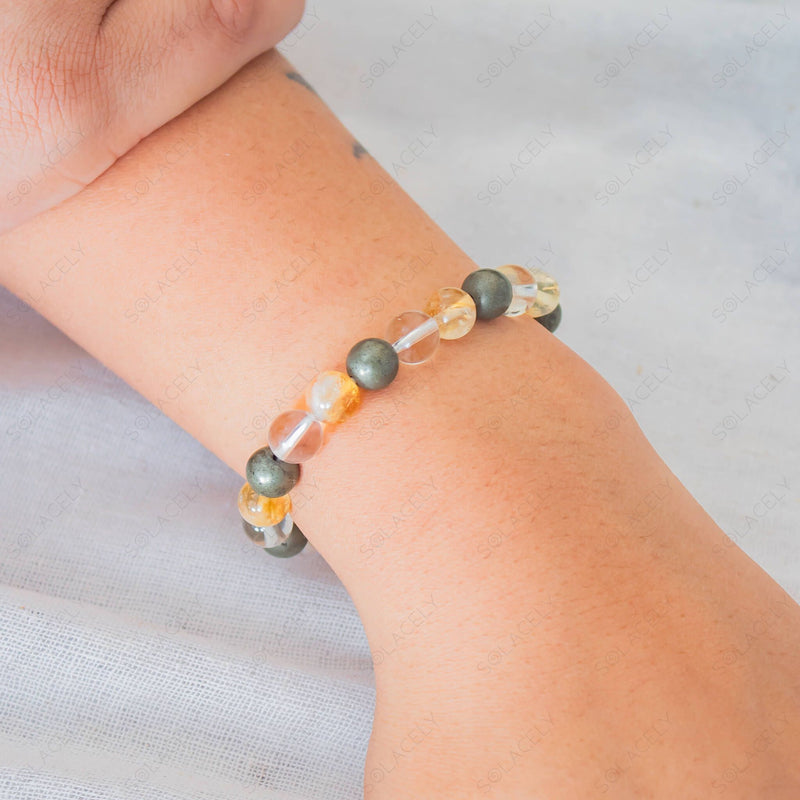
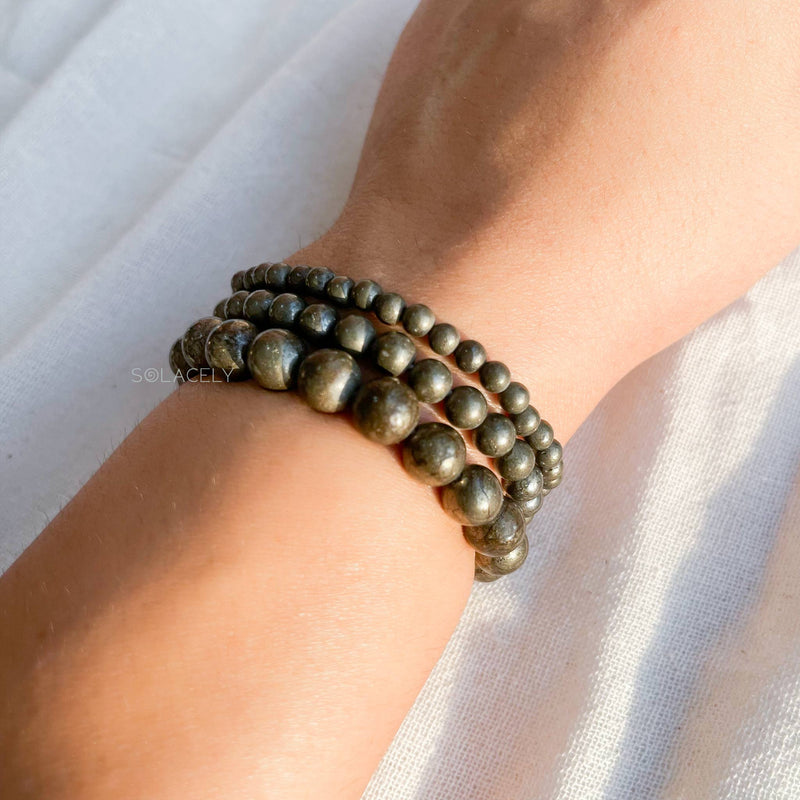
| Just closed a big deal or year | They celebrated with me | Citrine or pyrite piece, for abundance and confidence |
| New joiner or new office | I belong here | Desk crystal tree, welcome hamper |
| New car or big personal milestone | They noticed my life, not just my work | Crystal car charm |
| Values-led, minimalist taste | This respects who I am | One quiet, high-quality object, no logo |
The note is the gift
The most memorable part of a corporate gift is often free: a few honest, handwritten lines. A printed insert says mail merge. A card in your own hand, naming the person and the reason, says a human paused and thought about them. This is the highest-leverage move in gifting, and almost everyone skips it.
Keep it short and specific. Reference the actual relationship, such as thank you for trusting us through the migration, rather than warm wishes this festive season. Specificity is what separates sincerity from a template. Sign it as a person, not a department.
Where you cannot handwrite at scale, get close: a printed note in a handwriting-style font, individually addressed, still beats a generic slip. But for your top tier of clients and colleagues, write it yourself. It is the cheapest way to make a modest gift feel like a generous one.
Thoughtful gift ideas by tier
You do not need a big budget to be thoughtful, you need a good fit. The tiers below map spend to relationship depth so generosity stays consistent across a long list. Within any tier, personalization and a note matter more than nudging the price up.
- Meaningful (entry level), for wider teams and client lists. Small crystal pieces, tumbled-stone sets, a quality journal, a desk plant, or a modest wellness item. Add a printed, individually addressed note. This tier is where volume lives, so lean on thoughtful presentation to lift it.
- Considered (mid range), for key clients, managers, and strong relationships. A crystal tree, a singing bowl, a curated hamper, or a fine desk object. There is room here for light personalization, such as initials or a milestone date, plus a handwritten card. This is the sweet spot for most meaningful business gifts.
- Signature (top of budget), for leadership, anchor accounts, and big milestones. A statement crystal specimen, a premium gift set, or an heirloom-quality piece. Our luxury corporate gifts guide breaks down premium picks, and unique corporate gift ideas helps when you want something creative rather than expensive.
A considered gift at the middle tier outperforms a random one at the top tier almost every time. Fit beats spend, and it is far easier to repeat across a long list.
Why wellness and crystal gifts read as thoughtful
Wellness objects carry built-in meaning, which is why they work so well as considerate gifts. A crystal is not just decor. Stones are traditionally associated with intentions such as protection, calm, and abundance, and that gives your gift a story the recipient can hold. According to the Gemological Institute of America, quartz varieties such as amethyst and citrine have been prized as ornamental and display stones for centuries, so you are gifting something with genuine craft behind it.
They are also inclusive. A quality crystal or singing bowl reads as calming and considerate without assuming anyone's faith, which matters on a diverse corporate list. Keep the framing light, lead with beauty and intention, and let the meaning be an optional layer the recipient can take or leave.
And they last. Unlike sweets or a bottle that is gone in a week, a desk crystal or crystal tree stays in view for years, quietly repeating your goodwill every time it catches the light. Longevity is what turns a one-time gesture into an ongoing impression.
Present it like you mean it
Presentation is where intention becomes visible. The unboxing is the first thing the recipient experiences, so a rigid box, quality tissue or a fabric wrap, and safe padding for anything fragile make even a modest gift feel deliberate. Place the handwritten card on top, so care is the first thing they read.
Consistency helps at scale. A well-designed box used across your whole list keeps the experience premium even on large runs, while a crushed courier bag undoes the sentiment before the gift is even seen. Treat packaging as part of the gift, not an afterthought.
Timing is presentation too. The festive season is the biggest corporate gifting window, so plan and order three to four weeks ahead to protect quality when stock and couriers are stretched. In markets that celebrate Diwali it is the anchor date, and elsewhere the year-end holidays play the same role. For sensitive or regulated clients, avoid gifting right before a purchasing decision, where even a thoughtful gift can read as influence.
When you barely know the recipient
Sometimes you have to gift someone you have only met on calls, and the honest answer is that you cannot personalize what you do not know. The move then is not to guess. Guessing produces the gift that is technically personal and completely wrong: the whisky for someone who does not drink, the desk plant for someone who works from a suitcase.
Instead, personalize the part you do know: the work. Reference the specific project, the launch you got through together, or the year they have had. Then choose an object that is high quality and neutral enough to suit almost anyone, such as a fine notebook, a good hamper, or a small crystal desk piece. The note carries the personal weight and the object carries the quality.
If you genuinely have nothing to go on, ask the person who does. One message to their account manager or assistant usually yields enough, whether they have a new baby, a long commute, or a plant-filled desk, to turn a generic gift into a considered one. That single question is the cheapest research you will ever do.
Common mistakes that kill the thought
Even well-meant gifts misfire. The most frequent error is defaulting to loud logo swag: heavy branding turns a gift into an advertisement and signals you cared more about visibility than the person. Keep any mark discreet, on the card or packaging, and let the object earn its place.
A few more traps worth avoiding:
- One size fits all. Sending everyone the identical item erases the whole point of thoughtfulness. Tier and vary where you can.
- Skipping the note. A gift with no message is a package, not a gesture.
- Over-personalizing. Heavy customization can feel presumptuous. A name, a date, and a line usually land better.
- Ignoring gift policies. Many organisations cap what staff may accept, so a gift that must be returned helps no one.
- Last-minute panic. Rushed gifting is where quality and personalization slip first.
For high-value or sensitive relationships, a modest, meaningful gift, or a donation in the recipient's name, sidesteps policy issues while still landing warmly. If you are managing a large or complex programme, our guides to corporate gifting experts and corporate gifts for clients can help you keep it personal at scale.
Two checks before a big run
Thoughtful should not mean non-compliant, so factor two practical checks in before you order at volume. Neither takes long, and both are far easier to handle before the invoices land than after.
- The tax treatment in your market. Most tax systems treat employee gifts above a threshold as a taxable benefit in the employee's hands, and many block deductions or input tax credit on gifts past a value cap. Thresholds vary by country and change year to year, so confirm the current position with your accountant.
- The recipient's gift-acceptance policy. Many companies, and most public sector and regulated organisations, cap what an employee may accept or require gifts to be declared. One quick question to your contact avoids a returned gift or a compliance log entry.
Neither check should make you gift less. They simply shape how you structure the run, and knowing the answer early usually means a more generous outcome, not a smaller one.
Sources
- Gemological Institute of America, Quartz, amethyst and citrine as ornamental stones: gia.edu/quartz
- Britannica, Amethyst: britannica.com/science/amethyst
- International Gem Society, Selecting gems for durability: gemsociety.org/article/select-gems-durability
Frequently asked questions
About the author


Written by Chetna Sharma, crystal healing practitioner and co-founder of Solacely. Chetna has worked with healing crystals for over a decade and curates Solacely's protective stone collection.