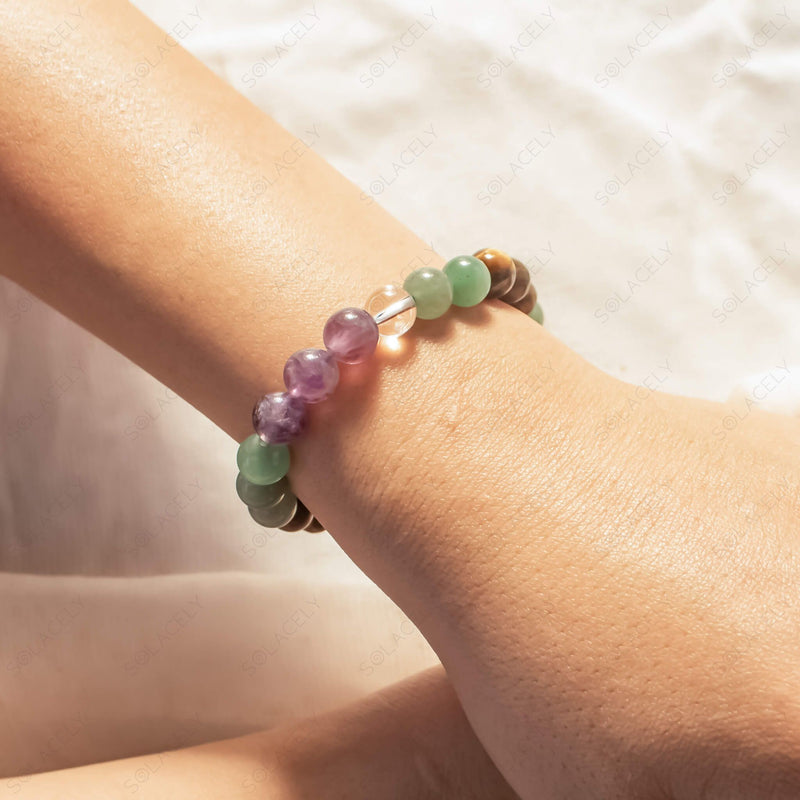
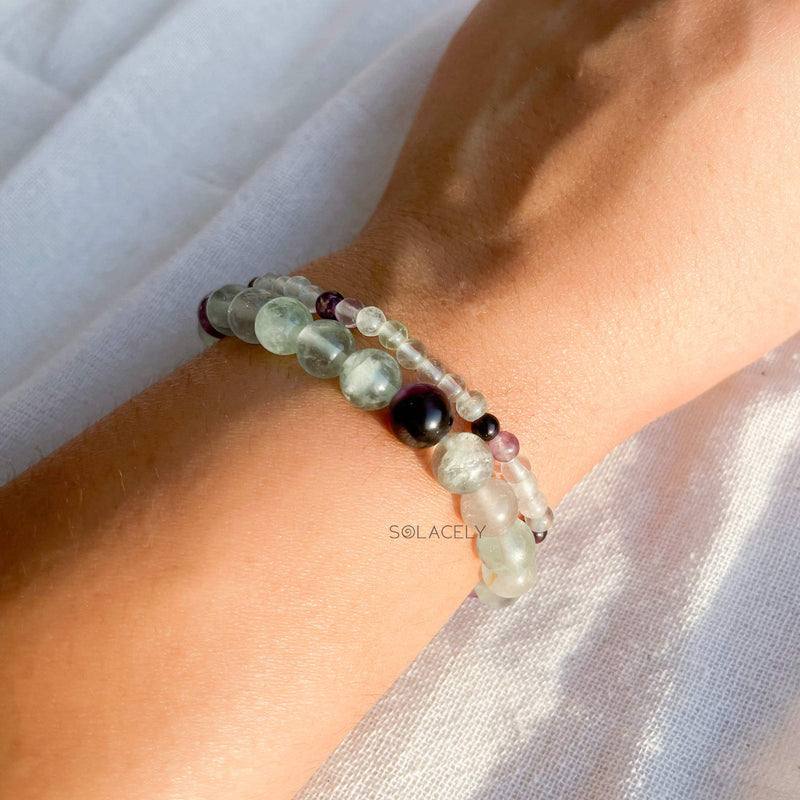
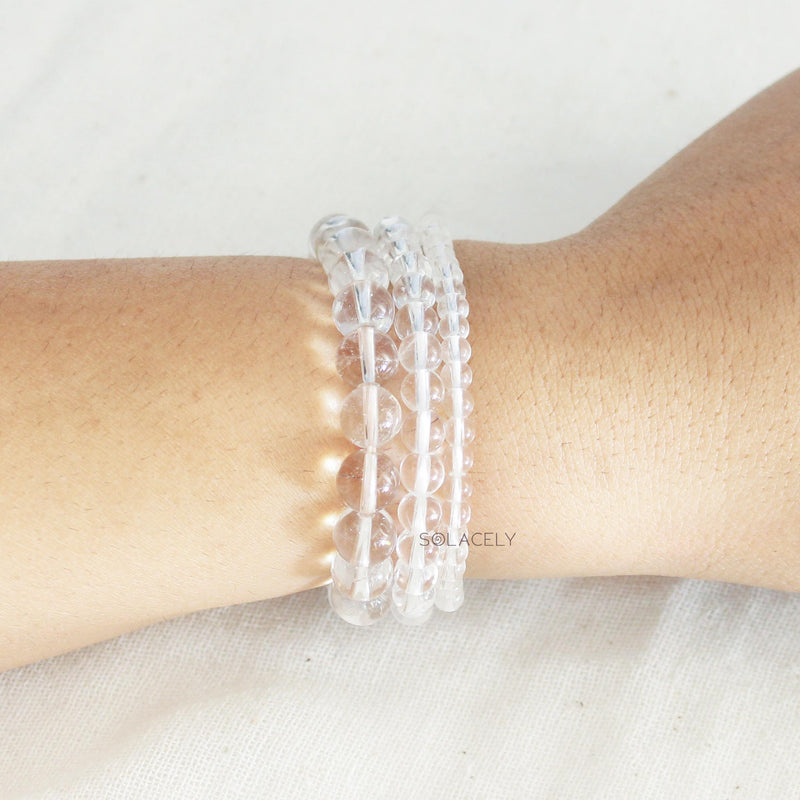
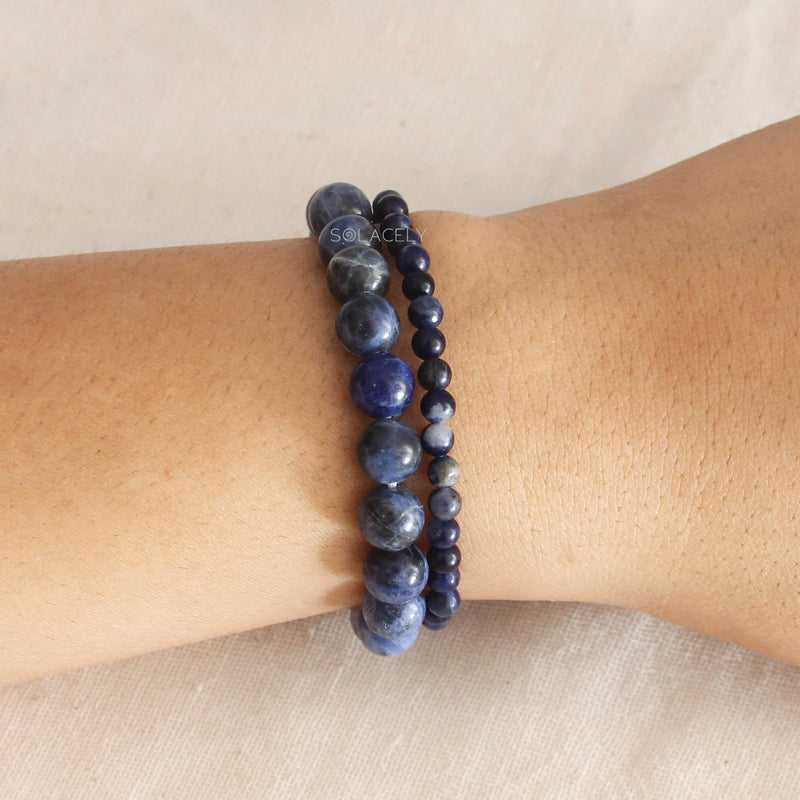
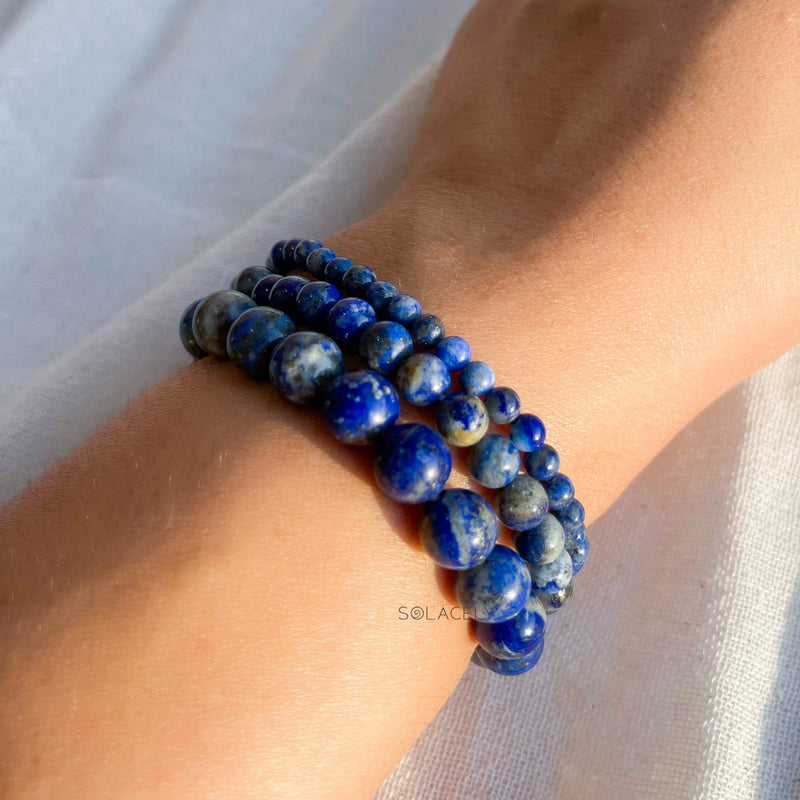
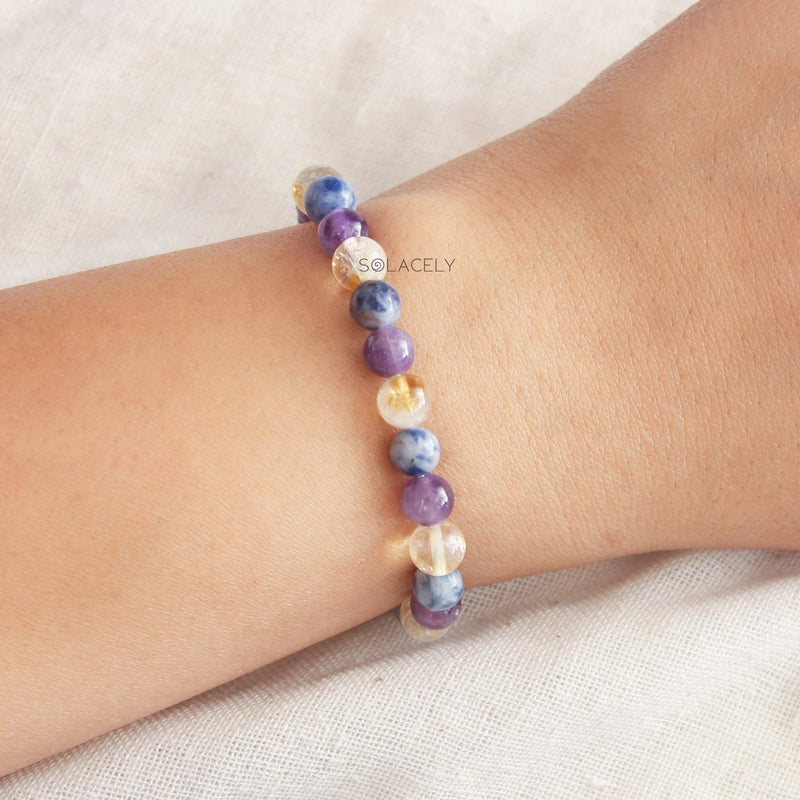
Fluorite, clear quartz, sodalite, amethyst and lapis lazuli are the stones traditionally kept for education. Fluorite and clear quartz for concentration, sodalite for structured thinking, amethyst for nerves before assessment, and lapis lazuli for the confidence to ask questions in a room full of people.
Key takeaways
- Five stones: fluorite, clear quartz, sodalite, amethyst, lapis lazuli.
- Education stones suit the setting and the long term: a course, a term, a desk.
- Keep one stone in one fixed spot, out when you sit down, away when you finish.
- Fluorite is soft at Mohs 4 with cleavage. Desk only, never loose in a bag.
- Add amethyst near assessments. It is the one for nerves rather than focus.
- The stone helps with starting. Spaced practice, self testing and sleep carry the rest.
The five stones
| Stone | Traditionally kept for | Mohs |
|---|---|---|
| Fluorite | Concentration, organising messy thinking | 4 |
| Clear quartz | General clarity, the all rounder | 7 |
| Sodalite | Logical, structured thought | 5.5 to 6 |
| Amethyst | Nerves before assessment, restless nights | 7 |
| Lapis lazuli | Speaking up, asking the question | 5 to 6 |
Fluorite is the traditional first choice, and it is beautiful enough that students actually keep it on the desk rather than in a drawer. Its softness is the catch, covered below.
Education stones versus learning stones
The two lists overlap, and the distinction is worth drawing because it decides what you buy.
Education stones are kept for the setting: the desk, the term, the course, the exam hall. They are about sustaining something over months. Learning stones are kept for the act, the taking in and holding of new material in a given session. Fluorite appears on both because it spans them.
If you are partway through a long course and the difficulty is keeping going, this is your list. If the difficulty is absorbing a specific subject, see crystals for learning.
How to actually use one
Placement does the work, and it is the same principle whichever stone you choose.
- One fixed spot on the desk. The stone goes there when you sit down.
- Out at the start, away at the end. That is what makes it mean study time.
- Phone in another room. Not face down. The single biggest change most students can make.
- Timer in front of the stone so you see both together.
Over a few weeks the object starts to signal the activity, the way a uniform signals school. That is the mechanism, and it works because it is repeated rather than because it is elaborate.
Handling fluorite
Fluorite is the one stone here that needs real care. At 4 on the Mohs scale it is soft enough to be scratched by a steel key, and it has perfect cleavage in four directions, which means it chips along flat planes when knocked.
Keep it on the desk rather than in a bag or a pocket. Do not put it in an ultrasonic cleaner. Wipe it with a soft dry cloth and it will last indefinitely, but it is not a stone to carry loose.
Sodalite and lapis lazuli sit in the middle at 5 to 6 and are reasonably robust. Clear quartz and amethyst at 7 are the two you can treat casually.
Through a long course
A degree or a professional qualification is a marathon, and the stone that suits it is not the one that suits a single exam. Clear quartz and sodalite are the steady picks, kept for months of ordinary work rather than a high pressure day.
Amethyst is the one to bring in near assessments, since its tradition is settling rather than focusing. Our guide to crystals for school success covers exam day specifically, including the rule about what examination boards allow on a desk.
What carries the actual learning
Worth saying alongside, because it is what the good students do. Testing yourself rather than rereading. Spacing sessions out rather than cramming. Getting enough sleep, which matters more than most people expect, since sleep deficiency affects learning, focus and reaction time.
The stone helps with the part those techniques do not touch, which is getting into the chair in the first place. For a wider view, see crystals for knowledge and wisdom and crystals for concentration.
The uses described here reflect traditional and cultural crystal practice. They are not medical or educational claims, and they are not a substitute for professional teaching, tutoring or healthcare advice.
Sources
Written by Chetena Sharma. Reviewed by the Solacely editorial team.
Frequently asked questions
About the author


Written by Chetna Sharma, crystal healing practitioner and co-founder of Solacely. Chetna has worked with healing crystals for over a decade and curates Solacely's protective stone collection.