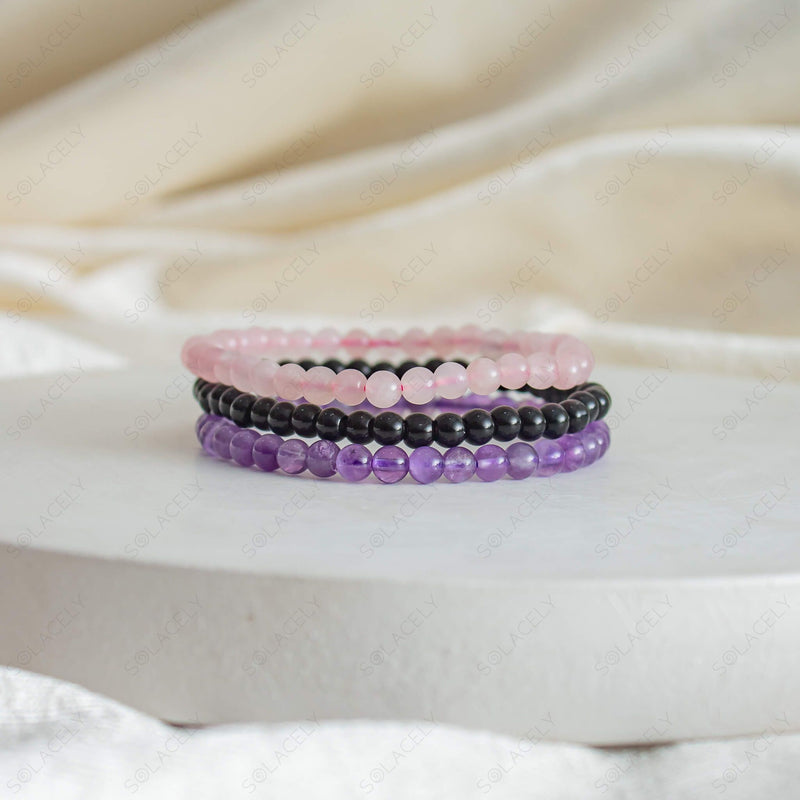
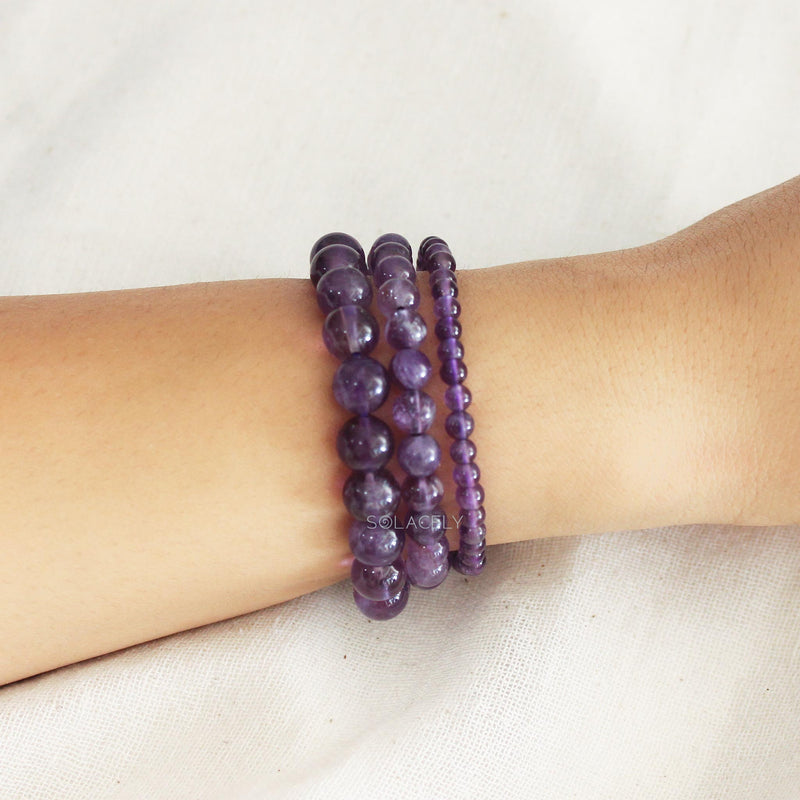
Crystals cannot treat, cure, or prevent any illness, and there is no scientific evidence that they affect physical health. The honest connection between crystals and health is indirect and runs through the mind: used in a calming ritual, stones like amethyst, rose quartz, and clear quartz can support stress relief, better sleep, and mindfulness, and since chronic stress genuinely affects the body, that calm may support your overall wellbeing, always alongside real medical care, never in place of it.
Key Takeaways
- No crystal treats, cures, or prevents illness; there is no scientific evidence crystals affect physical health directly.
- The honest link is indirect: as a calming ritual, crystals can support stress relief, sleep, and mindfulness, which matter for wellbeing.
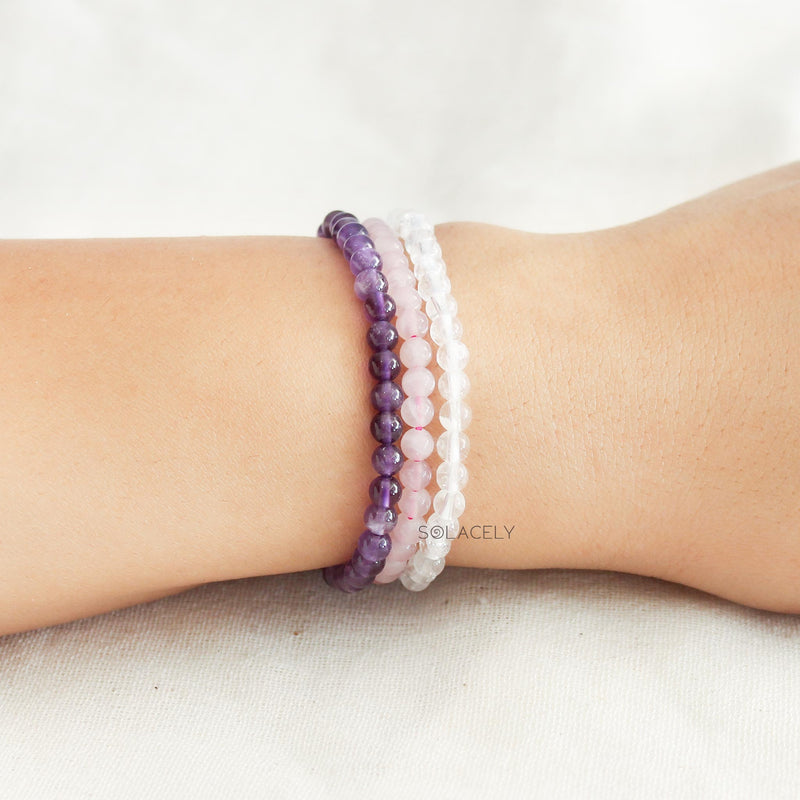
- Popular wellbeing stones include amethyst (calm), rose quartz (self-care), and clear quartz (intention), used as focuses, not medicine.
- Never use crystals in place of a doctor, medicine, or therapy, and never drink crystal elixirs, since some minerals are unsafe.
- Treat crystals as a gentle supplement to a healthy routine of good sleep, movement, food, and proper medical care.
Can crystals improve your health?
Let us start with the honest answer, because health matters too much for anything less. Crystals cannot improve your physical health directly. There is no scientific evidence that any stone treats, cures, prevents, or diagnoses illness, and no crystal can replace medicine, a doctor, or proper care. Believing otherwise, and relying on stones instead of treatment, can be genuinely harmful.
So why connect crystals with health at all? Because there is one real, indirect link worth understanding, and it runs entirely through the mind. Crystals are widely used as a focus for calming, mindful rituals, and stress reduction is genuinely good for wellbeing. Chronic stress affects the body in real ways, so a practice that helps you relax can support your health in a small, roundabout way.
Understood honestly, then, crystals belong to the self-care and relaxation side of health, not the medical side. For the broader tradition of stones used this way, our guide to healing crystals gives the full picture, and for choosing stones by intention, our note on crystals for different purposes helps you find one.
The honest link: stress, calm, and wellbeing
Here is where crystals can genuinely, if modestly, support health, entirely through relaxation rather than any physical effect. Stress is not just a feeling; it has real effects on the body. The U.S. National Center for Complementary and Integrative Health notes that long-term stress can contribute to health problems, and that mind and body practices, including mindfulness and relaxation, can help many people manage it.
A crystal can serve as a simple anchor for exactly that kind of practice. Holding a smooth stone, breathing slowly, and setting a calm intention is a small mindfulness ritual, and if it helps you unwind after a hard day or settle a racing mind, the benefit to your wellbeing is real. The stone does nothing on its own; it cues the pause and the calm that genuinely help.
Sleep is part of this too. Many people keep a calming stone like amethyst by the bed as a wind-down cue, and better rest supports nearly every aspect of health. Again, the benefit comes from the routine and the relaxation, not the stone's energy, but as a gentle, pleasant prompt to slow down, a crystal can earn a place in a healthy self-care routine.
Crystals people use for wellbeing
Certain stones come up again and again in wellbeing routines, chosen for their calming or uplifting associations. The table below sums up the popular choices and the honest, indirect way each might support your wellbeing, never as a treatment.
| Crystal | Traditional theme | Honest, indirect role |
|---|---|---|
| Amethyst | Calm, restful sleep | A wind-down cue for stress and rest |
| Rose quartz | Love, self-care | A prompt for self-compassion |
| Clear quartz | Clarity, intention | A focus for a wellbeing goal |
| Citrine | Positivity, energy | An uplifting, optimistic cue |
| Black tourmaline | Grounding, protection | A steadying anchor in stressful times |
Notice that every honest role here is about calm, mindset, and self-care, not curing anything. Amethyst, for instance, is the classic calming stone, which is why our guide to crystals for overthinking explores it for a busy mind, while the emotional side of wellbeing is covered in our note on crystals for emotional healing.
How to use crystals in a healthy routine
If you would like crystals to support your wellbeing, use them for the calm, mindful side of health, and keep real care at the centre. Let a stone be a cue for relaxation and self-care. Here are honest ways to do that.
- Wind down with one. Hold a calming stone and breathe slowly before bed, letting it cue a restful end to the day.
- Take a stress pause. When tension rises, hold the stone for a moment and take a few slow breaths to reset.
- Set a self-care intention. Hold the stone and name one kind thing you will do for yourself, such as rest or a walk.
- Keep one in your space. A stone on your desk or nightstand is a gentle reminder to slow down and look after yourself.
- Pair it with real habits. Let the stone sit alongside good sleep, movement, and food, the things that genuinely build health.
Whichever you choose, let the stone support the relaxation and let real habits and medical care do the rest. Crystals are the calm cue; your routine and your doctor look after your health.
Building a simple crystal wellbeing routine
Crystals help most when they sit inside a small, repeatable routine that supports the things which genuinely build health: rest, calm, and self-care. The stone is not the point; it is the cue that helps you actually do the routine. Kept simple, it is easy to keep, and consistency is what makes any wellbeing habit work.
A gentle daily version might look like this. In the morning, hold a stone for a moment and set one small self-care intention, perhaps to take a proper lunch break or a short walk. Through the day, use the stone as a stress pause: when tension builds, hold it and take a few slow breaths. In the evening, keep a calming stone by your bed and let it cue a screen-free wind-down before sleep.
None of these steps depends on the crystal having any power; each works because it prompts calm, rest, or kindness to yourself. Layered onto good sleep, movement, and food, a crystal routine becomes a pleasant, tangible nudge toward a healthier rhythm, with your doctor and real habits doing the substantive work.
Choosing and caring for your wellbeing crystals
Choose a stone whose look and meaning appeal to you, since you are far more likely to use one you are drawn to. A smooth tumbled or palm stone is ideal for holding during a calming pause, while a small point or cluster makes a nice bedside or desk piece. There is no need to spend much; one stone you actually reach for matters more than a whole collection.
Care depends on the stone. According to the Gemological Institute of America, quartz, which includes amethyst, rose quartz, clear quartz, and citrine, rates 7 on the Mohs hardness scale, so these are durable enough for daily handling and a wipe with a soft cloth. Keep coloured stones like amethyst and citrine out of prolonged strong sunlight, which can fade them, and handle any softer stones gently. Never soak a stone you are unsure about, and never make drinking water from one.
If you like to cleanse your stones spiritually, most quartz varieties tolerate a brief cool rinse, moonlight, or sound. Our step-by-step on how to cleanse and charge crystals covers which method suits which stone safely.
Important safety notes on crystals and health
Because this touches health, a few safety points matter and should not be skipped. Used sensibly as calming objects, crystals are generally safe, but some practices are not, and the biggest risk is using them in the wrong way.
- Never replace medical care. The most serious risk is using crystals instead of a doctor, medicine, or therapy, which can delay treatment that works.
- Do not drink crystal elixirs. Some minerals are toxic or unsafe in water, so never make or drink crystal-infused water on the assumption it is safe.
- Keep stones off broken skin. Do not place crystals on cuts, rashes, or wounds, since many are porous and can carry bacteria.
- Be wary of health claims. Treat any claim that a crystal cures or treats a condition as marketing, not fact.
- Seek help for real symptoms. Any persistent, worsening, or serious symptom deserves a doctor, not a stone.
Frequently Asked Questions
Can crystals actually improve your health?
Not directly. There is no scientific evidence that crystals treat, cure, or prevent illness or affect physical health. The only honest link is indirect: used in a calming, mindful ritual, a crystal can support stress relief and better sleep, and since chronic stress genuinely affects the body, that relaxation may support your overall wellbeing. Understood as gentle self-care alongside real medical care, crystals are fine; as a treatment, they are neither effective nor safe.
Which crystal is best for health and wellbeing?
No crystal treats health conditions, so none is best for that. For the calming, self-care side of wellbeing, people traditionally reach for amethyst for calm and sleep, rose quartz for self-compassion, clear quartz for intention, and black tourmaline for grounding. Use them only as cues in a relaxation routine, and rely on good sleep, movement, food, and a doctor for actual health. The stone is for calm, not cure.
Are crystals safe to use for health?
Held and carried as calming objects, crystals are generally safe. The risks come from misuse: relying on them instead of medical care, drinking crystal elixirs made from minerals that are unsafe in water, or placing stones on broken skin. Never let a crystal replace a doctor, medicine, or therapy, and never assume crystal water is safe to drink. Used as a gentle supplement to real care, crystals are a safe, comforting part of self-care.
Can crystals help with stress and sleep?
Indirectly, yes, and this is their most honest benefit. A calming stone used in a wind-down ritual, held while you breathe slowly before bed, can cue relaxation and help you settle, and better stress management and sleep genuinely support health. The benefit comes from the routine and the mindfulness, not the stone itself. For ongoing stress or sleep problems, please also speak with a professional, and treat the crystal as a gentle aid.
Do crystal water bottles have health benefits?
There is no evidence that crystal-infused water has any health benefit, and some stones are unsafe to place in drinking water because of their minerals. If a pretty bottle encourages you to drink more water, that hydration habit itself is helpful, but the benefit is the water, not the crystal. Never assume a crystal elixir is safe to drink, and never rely on one for health. Plain water and good habits do the real work.
Should I use crystals instead of seeing a doctor?
No, never. Crystals are not a substitute for medical care, and using them in place of a doctor can delay treatment that genuinely works, which can be harmful. Their honest role is as a calming, self-care ritual that sits alongside proper care. For any illness, persistent symptom, or health concern, please see a qualified doctor, and let a crystal be a gentle, comforting supplement to real treatment, never a replacement for it.
Sources
- National Center for Complementary and Integrative Health (NIH) - Stress: https://www.nccih.nih.gov/health/stress
- National Center for Complementary and Integrative Health (NIH) - Meditation and Mindfulness: What You Need To Know: https://www.nccih.nih.gov/health/meditation-and-mindfulness-what-you-need-to-know
- National Library of Medicine (MedlinePlus) - Stress and Your Health: https://medlineplus.gov/ency/article/003211.htm
About the author


Written by Chetna Sharma, crystal healing practitioner and co-founder of Solacely. Chetna has worked with healing crystals for over a decade and curates Solacely's protective stone collection.