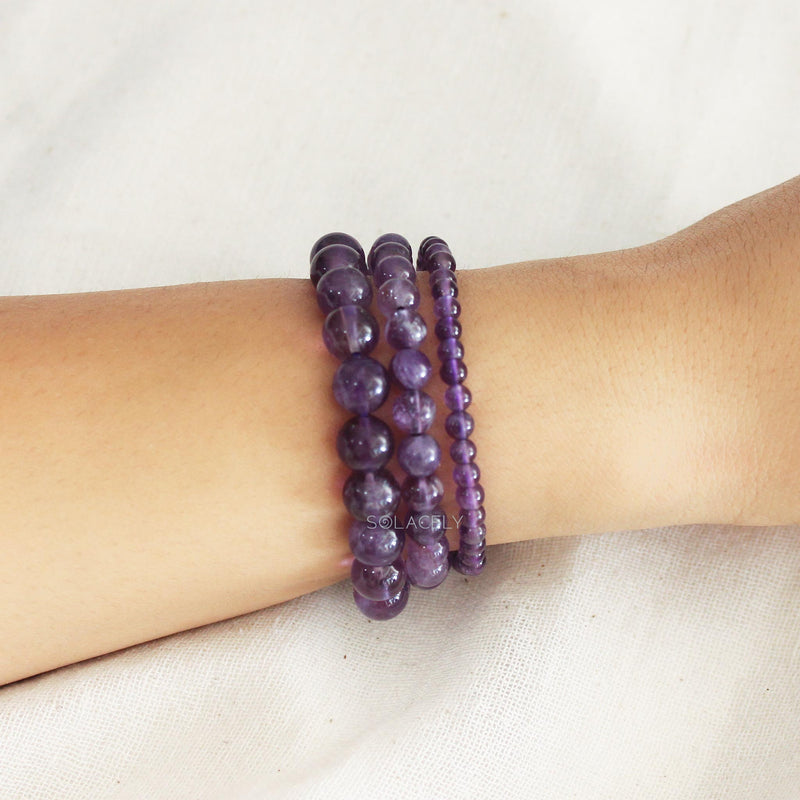
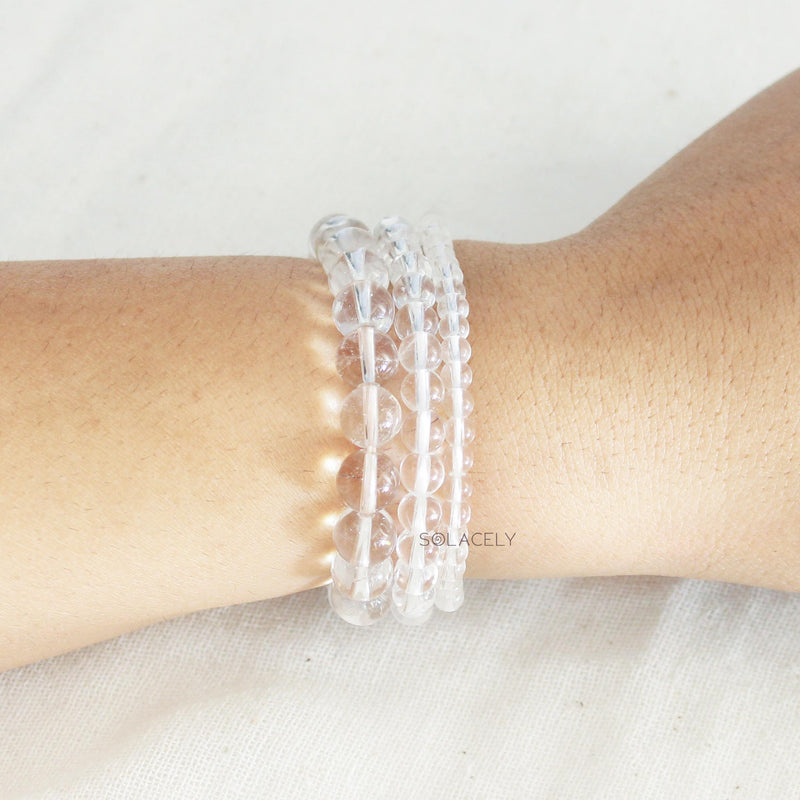
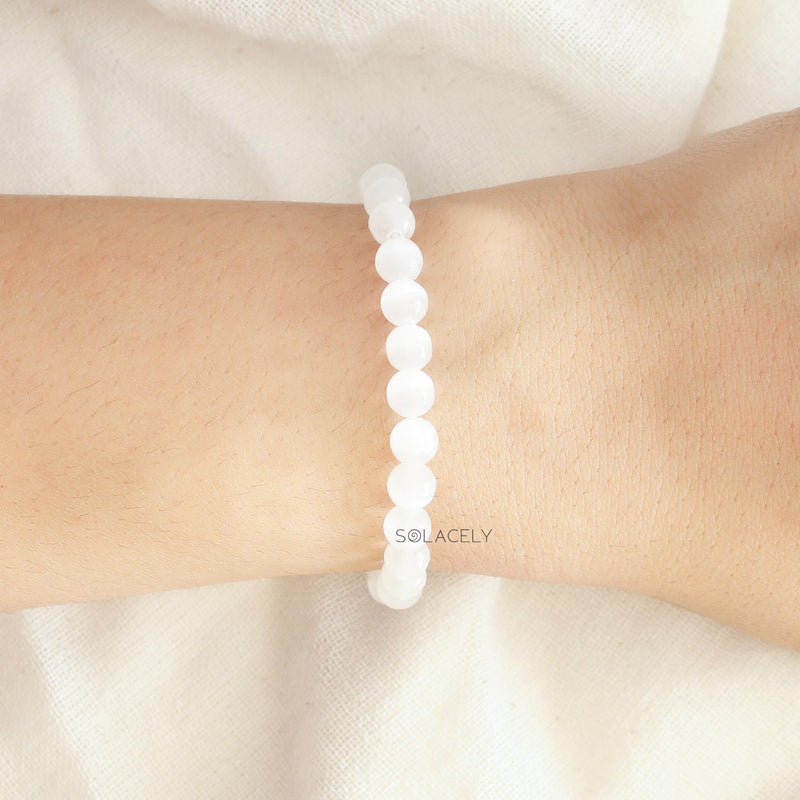
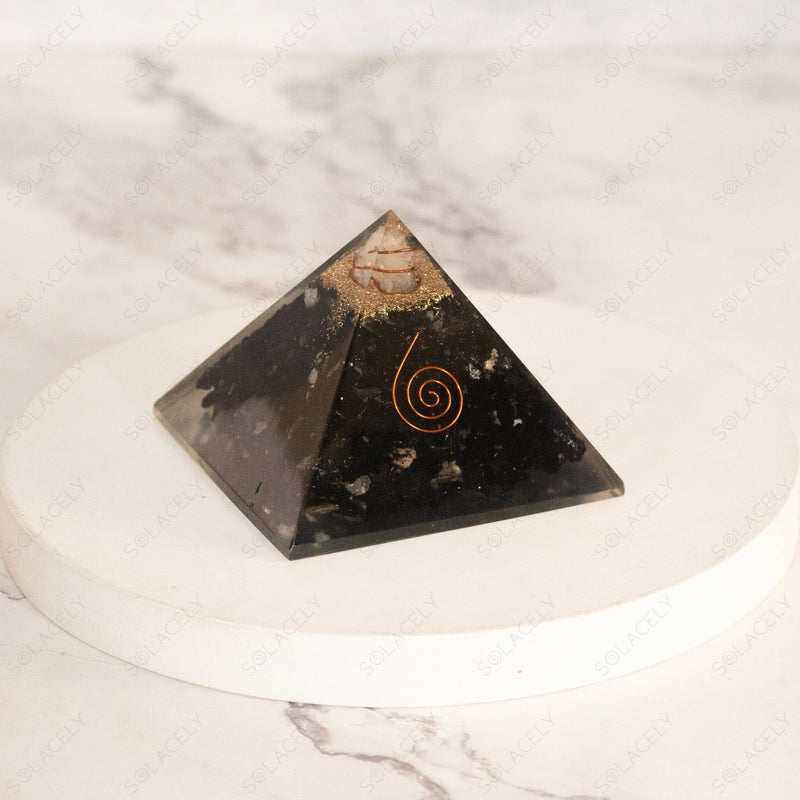
Healing crystals are natural stones and minerals that many people use as a focus for emotional and spiritual wellbeing, popular examples include amethyst for calm, rose quartz for love, clear quartz for clarity, citrine for positivity, and black tourmaline for grounding. The word healing here means emotional and spiritual self-care, not medical treatment. There is no scientific evidence that crystals cure illness. Their honest value is as a calming, intention-setting ritual: holding a stone while you breathe, reflect, or set a goal is a mindfulness practice that many find genuinely grounding.
Key Takeaways
- Healing crystals are stones used as a focus for emotional and spiritual self-care; the word healing means wellbeing, not medical cure.
- Popular choices include amethyst (calm), rose quartz (love), clear quartz (clarity), citrine (positivity), and black tourmaline (grounding).
- There is no scientific evidence crystals treat illness; their honest benefit is a calming, intention-setting mindfulness ritual.
- Use them by holding one while you breathe or reflect, carrying one, wearing one, or keeping one in your space as a reminder.
- Never use crystals in place of medical or mental-health care; treat them as a gentle supplement, not a substitute.
What are healing crystals?
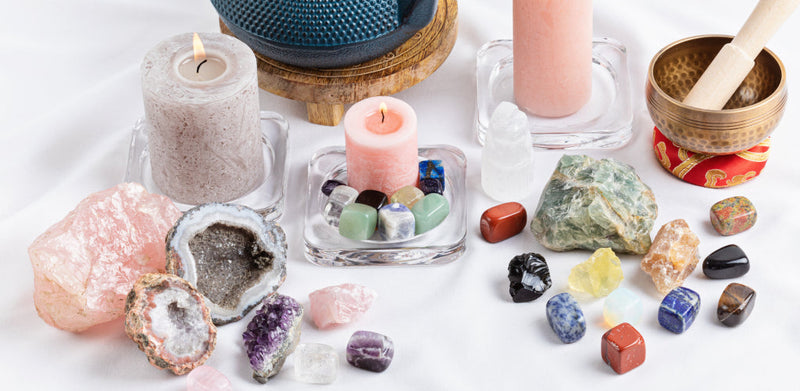
Healing crystals are natural stones and minerals, quartz, agate, tourmaline, and many more, that people keep and use as a focus for emotional and spiritual wellbeing. The tradition is ancient and spans many cultures, each assigning different stones meanings tied to their colour, rarity, and lore. Today they are popular in meditation, self-care, and mindfulness practices as tangible objects that carry an intention.
The most important thing to understand is what healing means in this context. It refers to emotional and spiritual self-care, feeling calmer, more focused, more hopeful, not to treating, curing, or diagnosing any physical or mental illness. There is no scientific evidence that crystals heal disease, and understanding them this way keeps the practice both honest and safe.
Seen that way, healing crystals are a meaningful, pleasant tool. Different stones are traditionally linked with different goals, which our guide to crystals for different purposes maps out in detail, and if you are just starting, our note on crystals for beginners is a gentle place to begin.
10 popular healing crystals and their meanings
A handful of stones turn up again and again because their traditional meanings are broad and their colours appealing. The table below sums up ten of the most popular healing crystals and what tradition associates with each, so you can find one that matches your intention.
| Crystal | Traditional meaning | Often used for |
|---|---|---|
| Amethyst | Calm, serenity | Easing stress, restful sleep, meditation |
| Rose quartz | Love, compassion | Self-love, warmth in relationships |
| Clear quartz | Clarity, focus | Setting and amplifying intention |
| Citrine | Positivity, energy | Optimism and a bright outlook |
| Black tourmaline | Protection, grounding | Feeling steady and shielded |
| Smoky quartz | Grounding, releasing stress | Coming back into your body when scattered |
| Green aventurine | Opportunity, hope | Optimism at the start of something new |
| Tiger's eye | Courage, willpower | Facing something difficult |
| Selenite | Clarity, cleansing | Marking a calm, uncluttered space |
| Carnelian | Warmth, motivation | Getting started and staying engaged |
You do not need them all; one stone whose meaning speaks to your situation is plenty. The first five make a well-rounded starting set, covering calm, love, clarity, positivity, and grounding, with the rest worth adding only as a specific need arises. For the calming favourite specifically, our guide to crystals for overthinking explores amethyst and other soothing stones in more depth.
How do healing crystals work?
This is the honest heart of the matter. There is no scientific evidence that crystals emit energy that heals the body or mind, and studies of crystal healing have generally attributed any reported effects to the placebo effect and to expectation. So a crystal does not act on you through any special power of its own. That does not mean the practice is worthless; it means the benefit works through you, not the stone.
What genuinely helps is the ritual and the focus. When you hold a smooth stone, breathe slowly, and set an intention, you are doing a simple mindfulness practice, and the U.S. National Center for Complementary and Integrative Health notes that meditation and mindfulness can help many people manage stress and feel calmer. The stone gives that practice a tangible anchor, a cue to pause and turn inward.
There is also real value in intention and symbolism. Choosing a stone for calm, carrying it, and glancing at it through the day keeps your goal in mind, and that reminder can genuinely shape how you feel and act. Understood honestly, a healing crystal is a beautiful, tactile focus for calm, reflection, and intention, and that is a meaningful role, even without any energy claim.
How to use healing crystals
Using healing crystals is simple, and the aim is to build a small, calming ritual you will actually keep. Let the stone be a cue for a moment of mindfulness or intention. Here are the most common ways people use them.
- Hold one and breathe. Sit quietly, hold the stone, feel its weight and coolness, and take several slow breaths as you settle.
- Set an intention. Choose a stone for a goal, calm, love, focus, and name that intention as you hold it.
- Carry or wear one. A tumbled stone in your pocket or a crystal pendant keeps the reminder with you through the day.
- Meditate with one. Rest a stone in your hand or lap as a gentle focus during meditation or reflection.
- Keep one in your space. A stone on your desk, nightstand, or a quiet corner marks a spot for calm and intention.
Whichever you choose, let the breath and the intention do the work while the stone acts as the cue. For pairing stones by the mood or goal you have in mind, our guide to crystals for different purposes helps you choose.
Choosing and caring for your healing crystals
When choosing a healing crystal, let the stone's meaning and its look guide you, since you are far more likely to use one you are drawn to. A smooth tumbled or palm stone is ideal for holding, while a small point or cluster makes a nice display piece. There is no need to spend a lot; a single stone you connect with matters more than a large collection.
Care depends on the stone. According to the Gemological Institute of America, quartz, which includes amethyst, rose quartz, clear quartz, and citrine, rates 7 on the Mohs hardness scale, so these durable stones handle daily use and a wipe with a soft cloth well. Softer or more fragile stones need gentler handling, and some coloured stones, like amethyst and citrine, can fade in prolonged strong sunlight, so keep them out of harsh light.
A note on safety: some minerals are unsafe in water or should not be handled as elixirs, so never make or drink crystal-infused water on the assumption that it is safe. If you like to cleanse your stones spiritually, most tolerate a brief cool rinse, moonlight, or sound. Our step-by-step on how to cleanse and charge crystals covers which method suits which stone.
Healing crystals and your health: an honest note
Because these stones are called healing, it is vital to be clear about their limits, especially where health is concerned. Crystals cannot treat, cure, or diagnose any physical or mental illness. They do not replace medicine, therapy, or a doctor, and relying on them instead of proper care can be genuinely harmful, because it may delay treatment that works.
Used wisely, though, they can sit comfortably alongside real care. Many people find that a calming crystal ritual helps them manage everyday stress or feel more grounded during a hard time, and that emotional support is real, as long as it supplements rather than replaces professional help. Stress relief and reflection are genuine benefits; a cure is not on offer.
So if you are unwell, anxious, or struggling, please see a doctor or a mental-health professional, and let a healing crystal be a gentle, comforting companion to that care, never a substitute for it. Understood honestly and used safely, healing crystals are a lovely part of a self-care routine that keeps real medicine firmly at its centre.
Common mistakes with healing crystals
A few misunderstandings can turn a harmless, comforting habit into disappointment or risk. Keep these in mind so your crystals stay a safe, gentle part of self-care.
- Expecting a physical cure. Crystals do not heal illness. Believing they can may delay real treatment, which is the most serious mistake.
- Replacing medical care. A stone is never a substitute for a doctor, medicine, or therapy. Let it supplement proper care, not stand in for it.
- Drinking crystal elixirs. Some minerals are unsafe in water. Never assume a crystal-infused water is safe to drink.
- Leaving stones in strong sun. Amethyst, citrine, and other coloured stones can fade in prolonged sunlight, so store them out of harsh light.
- Collecting without using. A drawer full of unused stones does nothing. One stone you hold and reflect with regularly is worth far more.
Sources
- Gemological Institute of America - Quartz description and varieties: https://www.gia.edu/quartz
- Encyclopaedia Britannica - Quartz, mineral properties and Mohs hardness: https://www.britannica.com/science/quartz
- National Center for Complementary and Integrative Health (NIH) - Meditation and Mindfulness: What You Need To Know: https://www.nccih.nih.gov/health/meditation-and-mindfulness-what-you-need-to-know
Frequently asked questions
About the author


Written by Chetna Sharma, crystal healing practitioner and co-founder of Solacely. Chetna has worked with healing crystals for over a decade and curates Solacely's protective stone collection.