A green aura is traditionally read as the colour of the heart: growth, healing, balance, and steady renewal. People said to carry it are often described as natural nurturers, calm problem-solvers, and lovers of nature. In aura tradition, green sits at the centre of the spectrum, linked to harmony and to the heart chakra.
Key Takeaways
- In aura tradition, a green aura signals growth, healing, balance and a strong connection to nature, and is linked to the heart chakra at the centre of the body.
- Common personality traits associated with it are empathy, patience, a nurturing instinct, practicality, and a drive to keep the peace.
- Green sits at the middle of the visible spectrum, between the warm and cool colours, which is part of why it reads as balanced and restful. This is colour tradition, not a medical claim.
- Shades matter in the reading: bright emerald green suggests growth and abundance, while muddy or dark green is read as jealousy, stress, or the need to rebuild.
- Green crystals people pair with the intention include green aventurine, jade, malachite, and emerald, all valued for reflection rather than as remedies.
What does a green aura mean?
A green aura is traditionally read as the energy of the heart: growth, healing, and balance. In aura and chakra tradition, green is the colour of the heart chakra, so a green aura is associated with love that is grounded and steady rather than romantic and intense. It reads as renewal, the way new leaves read.
Colour sits at the root of the meaning. Green is the hue of grass, forests, and new growth, and across cultures it carries associations with nature, fertility, and freshness. According to Encyclopaedia Britannica, green occupies the middle of the visible spectrum, between the warm reds and the cool blues, and that central position is part of why it is so often linked to balance and calm.
An aura itself is a traditional idea, not a measured fact. In metaphysical belief, it is a field of subtle energy said to surround a person and to carry a dominant colour that reflects their mood and temperament. Treat a green aura as a lens for reflection, a way to think about your own steadiness and care for others, rather than a diagnosis of anything.
Green aura personality traits
People described as having a green aura are usually cast as nurturers and peacemakers. The traits most often linked to the colour are empathy, patience, practicality, and a strong pull toward nature. In tradition, green types are the ones who calm a room, tend to others, and quietly hold things together. These are personality associations, not fixed rules.
The nurturing streak is the headline trait. Green is read as caring, generous, and attentive to the wellbeing of the people around it. Someone with this aura is imagined as a natural helper, the friend who notices when you are off and asks the right question. That instinct to tend and support is why green is so tied to the heart in this tradition.
Balance and groundedness sit close behind. Where a red aura is read as fiery and driven, green is read as calm, practical, and reliable. Green types are cast as people who prefer harmony to conflict and steady progress to drama. If you want to compare the cooler, more communicative side of the spectrum, our blue aura guide covers a neighbouring temperament.
There is a shadow side in the tradition too. The same sensitivity that makes green nurturing can tip into over-giving, absorbing other people's stress, or neglecting personal boundaries. Green is also, unavoidably, the colour English speakers reach for to describe envy, so a clouded green is read as jealousy or comparison creeping in.
Green aura in love and relationships (as tradition)
In relationship tradition, a green aura is read as steady, loyal love rather than fireworks. Because green is the heart-chakra colour, people who carry it are described as devoted partners and dependable friends who value trust, growth, and emotional safety over intensity. This is a cultural belief about temperament, not a prediction about any relationship.
Green types are cast as the caregivers of a partnership. They tend to remember the small things, hold space when a partner is struggling, and work to keep the peace rather than win an argument. That makes them warm and reliable, though the tradition warns they can give so much that their own needs slip out of view.
The counsel that comes with this reading is about balance. A green aura is said to thrive when love flows both ways, when the nurturer is also nurtured. For the softer, more romantic and self-love side of the heart, the pink aura is often described as green's gentler cousin, and many readings treat the two together.
Green aura and career
Career readings for a green aura point toward caring, growing, and building. Because the colour is tied to nurturing and nature, people with it are traditionally said to flourish in roles that heal, teach, or cultivate: healthcare, counselling, education, environmental work, hospitality, and gardening or design. This is a traditional temperament association, not vocational advice.
The through-line is service and growth. Green is read as happiest when it can help something or someone develop, which is why the tradition points it toward teaching, nursing, therapy, and mentoring. The same instinct explains the pull toward nature-facing work, from landscaping to sustainability, where the job is literally to help living things thrive.
Green types are also cast as steady, collaborative colleagues. They are the ones who mediate, keep a team calm under pressure, and prefer sustainable progress to burnout-speed sprints. For a contrast, the yellow aura is traditionally read as the more restless, idea-driven creative, a useful comparison if you are weighing where you sit.
Green aura and health, energy and wellbeing (as belief)
In wellbeing tradition, a green aura is linked to renewal, rest, and a strong connection to nature. Practitioners describe green types as people who recharge outdoors and through calm routines, and who often gravitate to yoga, walking, and time among plants. These associations are cultural belief and reflection, never a substitute for medical care.
The logic follows the colour. Green is the shade of forests and fields, so the tradition ties it to the restorative feeling many people genuinely get from being outside. That connection is why green readings so often recommend nature time, gardening, and unhurried movement as ways to feel like yourself again.
The tradition also flags a caution. Because green is so attuned to others, the belief is that green types can quietly run down while looking after everyone else, and that a dull or muddy green signals exactly that depletion. The remedy, in this framing, is boundaries and rest, not more giving. Again, this is symbolism for reflection, not health guidance.
Shades of green and what they mean
Aura tradition treats the shade of green as carefully as the colour itself. Bright, clear greens are read as positive: growth, healing, and abundance. Darker, muddier, or cloudy greens are read as harder feelings: jealousy, resentment, stress, or a heart that needs rebuilding. The brightness of the green is treated as the tell.
The spread runs from soft to deep, and each tone carries its own note. Here is how the common shades are usually interpreted.
| Shade of green | Traditional reading |
|---|---|
| Emerald / bright green | Strong healing, growth, abundance, a heart wide open |
| Soft / pale green | New beginnings, gentle renewal, early growth, fresh starts |
| Forest / deep green | Groundedness, stability, a mature and rooted nurturer |
| Lime / yellow-green | Creativity and change, sometimes restlessness or transition |
| Turquoise / blue-green | A healer's aura, compassion paired with clear communication |
| Muddy / dark green | Jealousy, insecurity, stress, or emotional depletion to tend to |
Two shades sit on the boundary of other colours and are worth a note. Yellow-green leans toward the analytical, idea-led temperament of a yellow aura, while blue-green, or turquoise, borrows the calm, expressive quality of the cooler end and is often called a natural healer's colour in this tradition.
How a green aura is read
An aura is read intuitively, not measured. In tradition, sensitives claim to perceive a dominant colour around a person through practised intuition, and some use aura photography, a Kirlian-style technique that images an electrical corona around the body. There is no scientific basis for reading personality from it; it is a belief practice.
The common methods are worth understanding plainly. Some readers describe simply sensing or seeing a colour when they focus on someone. Others use aura or Kirlian photography, which captures a coloured halo produced by electrical discharge, then interprets the hue. A few work from questionnaires about mood and temperament rather than any image at all.
If you are curious about your own, a light-touch self-reflection is the honest version. Notice which qualities in the green reading you recognise, the nurturing, the peacemaking, the pull to nature, and treat that as a prompt for self-awareness. For a very different reading on the spectrum, the indigo aura covers the intuitive, deep-thinking type, and the white aura covers the one tied to clarity and purity.
Crystals associated with a green aura
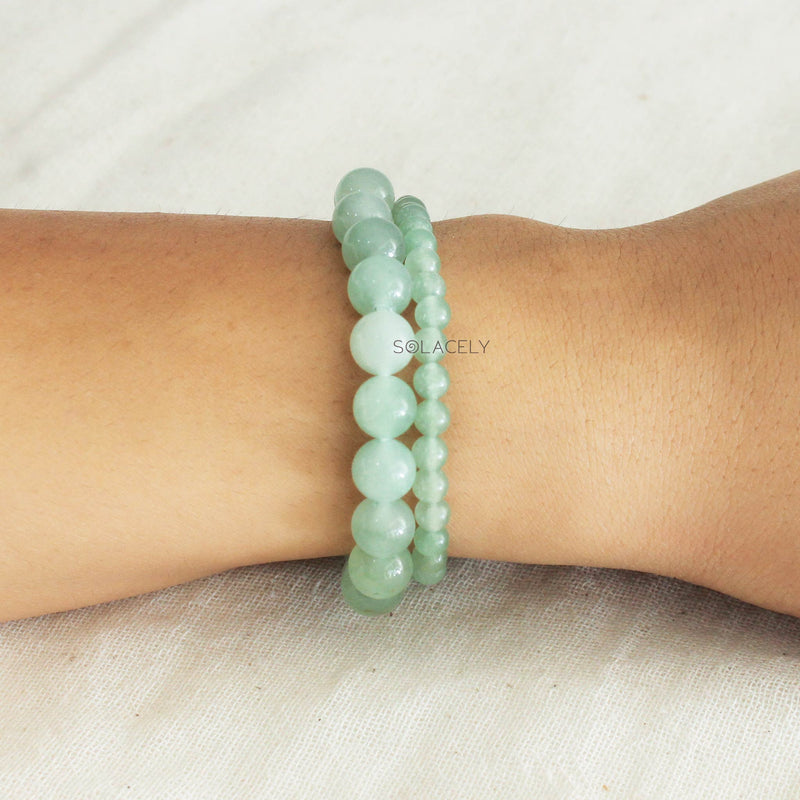
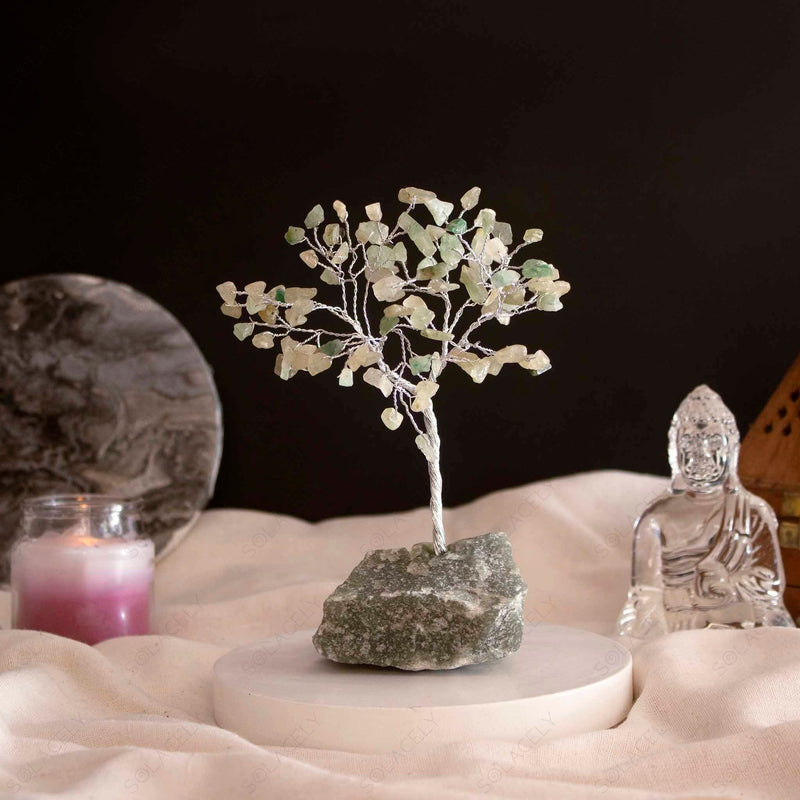
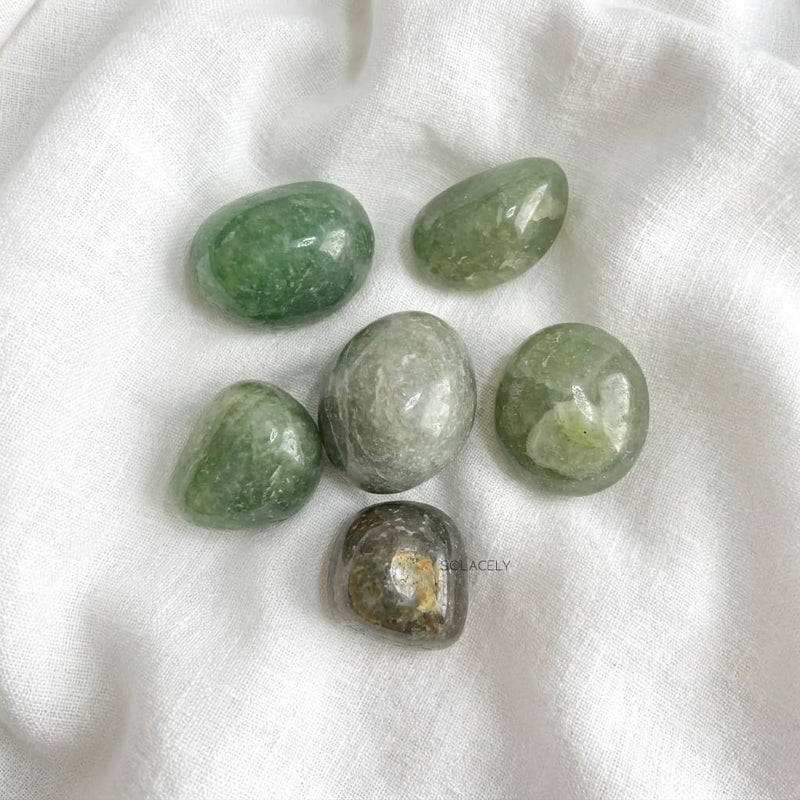
Green crystals are the natural pairing for a green-aura intention, chosen for colour and tradition rather than any proven effect. The stones most often linked to the heart and to growth are green aventurine, jade, malachite, and emerald. People keep them as reminders of balance and renewal, not as remedies.
The colour connection is real mineralogy. According to the Gemological Institute of America, green aventurine is a quartz coloured green by tiny flecks of fuchsite mica, and emerald is the green variety of beryl, coloured by chromium or vanadium. Jade and malachite bring their own deep greens, malachite from copper. So the shade that carries the heart symbolism is a genuine property of the stone.
Most tumbled green stones and small pieces are affordable with green aventurine and jade tumbles commonly Entry, and set pieces or bracelets running Mid range, so a green-aura kit rarely needs to cost much. Here is how the common green stones map to the intentions people pair with a green aura.
| Green crystal | Traditional intention |
|---|---|
| Green Aventurine | Growth, luck, new opportunities, a settled heart |
| Jade | Harmony, prosperity, steady wellbeing |
| Malachite | Protection, releasing old patterns, transformation |
| Emerald | Love, loyalty, hope, renewal |
| Green Fluorite | Calm, clear thinking, emotional balance |
A simple way to work with one is straightforward and free of any medical claim:
- Choose by intention, not hype: pick aventurine for growth and luck, jade for harmony, malachite for change.
- Keep it in view, on a desk or bedside, so the colour acts as a small daily reminder of balance.
- Hold it during quiet time, a few slow minutes of reflection or meditation, if that helps you settle.
- Pair it with nature, near a plant or a window, since green tradition leans so heavily on the outdoors.
- Treat it as a symbol, a lovely prompt for intention, and never as a replacement for real care.
For a broader tour of the colour spectrum and its temperaments, our purple aura guide covers the intuitive, spiritual end, a useful companion read to this one.
Sources
- Encyclopaedia Britannica — Colour and the visible spectrum (green's central position): britannica.com/science/color
- Encyclopaedia Britannica — Aura (parapsychology and belief context): britannica.com/topic/aura-parapsychology
- Gemological Institute of America — Aventurine (green quartz coloured by fuchsite): gia.edu/aventurine
- Gemological Institute of America — Emerald (green variety of beryl): gia.edu/emerald-description
Frequently asked questions
About the author


Written by Chetna Sharma, crystal healing practitioner and co-founder of Solacely. Chetna has worked with healing crystals for over a decade and curates Solacely's protective stone collection.