To unblock the third eye chakra (Ajna), work directly with focus and inner sight: practise indigo-light visualisation meditation, try trataka candle gazing, keep a dream journal, cut screen time and sensory overload, and sit with stones like amethyst, lapis lazuli or labradorite. Done daily over a few weeks, these habits are what the tradition uses to clear this centre.
Key Takeaways
- The third eye chakra (Ajna) sits between the eyebrows and is traditionally linked to intuition, clarity, imagination and inner wisdom.
- The most direct methods are visualisation meditation, trataka (steady gazing), dream journaling, reducing screen and sensory overstimulation, and indigo stones like amethyst, lapis lazuli and labradorite.
- In yoga tradition, signs of imbalance include mental fog, indecision, overthinking, poor focus, or the opposite, a disconnection from intuition.
- A simple daily routine takes 10 to 15 minutes; give it 3 to 4 weeks before judging results.
- This is a wellbeing and tradition-based practice, not a medical treatment or a substitute for care.
What the third eye chakra is
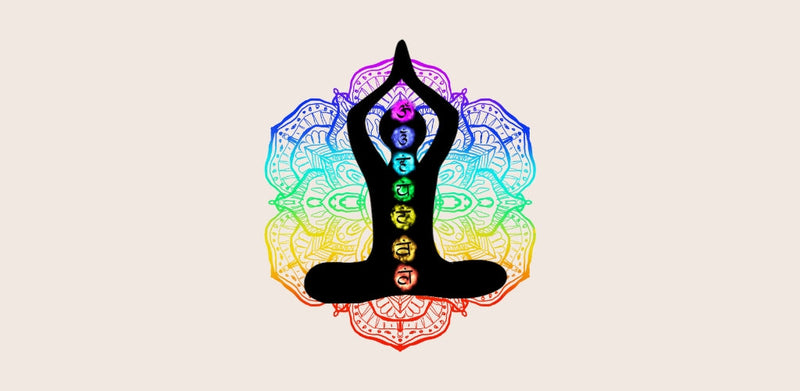
The third eye chakra, called Ajna in Sanskrit, is the sixth of the seven chakras and sits between and slightly above the eyebrows. In yoga tradition it governs intuition, clarity, imagination, perception and inner knowing, the sense of seeing beyond the obvious. Its colour is indigo and it's often pictured as a two-petalled lotus.
According to Encyclopaedia Britannica, chakras are centres of psychic energy described in tantric and yogic texts, arranged along the spine and visualised as lotuses. Ajna, meaning 'command,' is placed at the brow. This framework comes from centuries of Indian contemplative tradition, not from modern medicine.
When this centre feels clear, decisions come from a settled place and your imagination works with you rather than against you. New to the system? Our guide to chakras explained maps how all seven relate. The third eye sits just below the crown chakra, so the two are often worked together.
Signs your third eye feels blocked
In yoga tradition, a blocked Ajna shows up as mental fog, chronic overthinking, difficulty making decisions, and a nagging sense of being cut off from your own gut feeling. An over-active version swings the other way: living in the head, escapism, or fixating on ideas that never land. These are traditional interpretations, not medical diagnoses.
Emotionally, people describe second-guessing their instincts, struggling to picture a way forward, or feeling scattered and reactive. The tradition also links this centre to sleep and dreams, so restless sleep or the sense that you never remember dreams is often read as a signal here.
Here's a quick way to self-check. Do you ignore your first instinct and then regret it? Does your mind feel too busy to hear itself think? A 'yes' doesn't mean anything is medically wrong. It simply points to where focus-building practice might help.
| Balanced Ajna | Under-active | Over-active |
|---|---|---|
| Clear, intuitive decisions | Mental fog, indecision | Overthinking, obsession |
| Strong focus | Poor concentration | Escapism, daydreaming |
| Trusts inner guidance | Cut off from intuition | Ignores practical reality |
| Vivid, recalled dreams | Forgotten dreams | Restless, racing mind |
Method 1: Visualisation meditation
Visualisation is the most direct route to Ajna because the tradition maps this centre to inner sight, the mind's eye. Sitting quietly and picturing a soft indigo light at the brow is the classic practice used to focus and settle this chakra. Aim for 10 minutes, most days, in a calm spot.
The National Center for Complementary and Integrative Health notes that meditation and mindfulness practices can help reduce stress and support wellbeing when done regularly, which is part of why a steady sit leaves you feeling clearer and less scattered over time.
A simple sequence to try:
1. Sit tall, eyes closed, shoulders soft. 2. Bring gentle attention to the space between your eyebrows. 3. Picture a small indigo light there, steady and calm. 4. On each exhale, imagine the light growing a little clearer. 5. Stay for 5 to 10 minutes, then let the image fade.
Don't strain to 'see' anything vividly. The intention matters more than the picture. If you want a fuller routine across all seven centres, our chakra balancing techniques guide sets one out step by step.
Method 2: Trataka candle gazing
Trataka is a traditional yogic gazing practice, and it's strongly associated with Ajna because it trains steady, single-pointed focus, the exact quality this chakra represents. You fix your gaze softly on one point, usually a candle flame, until the eyes water, then close them and hold the after-image at the brow.
Here's how to practise it safely:
1. Sit in a dim, draught-free room with a candle at eye level, about an arm's length away. 2. Gaze softly at the flame without blinking, as long as it stays comfortable. 3. When the eyes water or tire, close them gently. 4. Watch the glowing after-image float at your brow until it fades. 5. Repeat once or twice. Start with a minute or two, no forcing.
Trataka is a focus discipline, so keep sessions short at first and stop if your eyes feel sore. Skip it if you have an eye condition, and check with a doctor if unsure. Steady gazing pairs naturally with breathwork, and it's a common bridge into the deeper stillness described in our crown chakra definition guide.
Method 3: Dream journaling
Because tradition links Ajna to intuition, imagination and the dreaming mind, keeping a dream journal is a favoured practice for this centre. Writing down whatever you recall on waking, images, feelings, fragments, is used to build a quieter dialogue with your inner world and to notice patterns your busy daytime mind skips over.
Keep it simple. A notebook by the bed works better than a phone, since reaching for a screen tends to scatter the very stillness you're trying to keep. On waking, jot a few lines before the day rushes in, even if it's only a mood or a single scene.
You don't need to interpret anything. The act of paying attention is the practice. Over weeks, many people find they recall more and feel more tuned in to their instincts. If words are your thing, our throat chakra mantras guide extends this idea of clearer inner expression.
Method 4: Reduce screen time and overstimulation
Ajna is a centre of clear perception, and the tradition holds that constant input, notifications, noise, endless scrolling, clouds it. Cutting sensory overstimulation is one of the most practical modern methods for the third eye. Even an hour of screen-free quiet a day gives an overloaded mind room to settle.
Small, realistic changes work best:
- Screen-free wind-down: no phone for the last 30 to 60 minutes before bed.
- Quiet mornings: delay checking messages until after your practice.
- Single-tasking: do one thing at a time rather than three half-things.
- Notification cull: turn off alerts you don't truly need.
- A daily pause: ten minutes of doing nothing, no input at all.
None of this is about being anti-technology. It's about protecting a little stillness so your own thoughts and instincts have space to surface. Better sleep, in particular, is closely tied to this chakra in tradition, and reducing late-night screens is the simplest lever most of us can pull.
Method 5: Crystals for the third eye
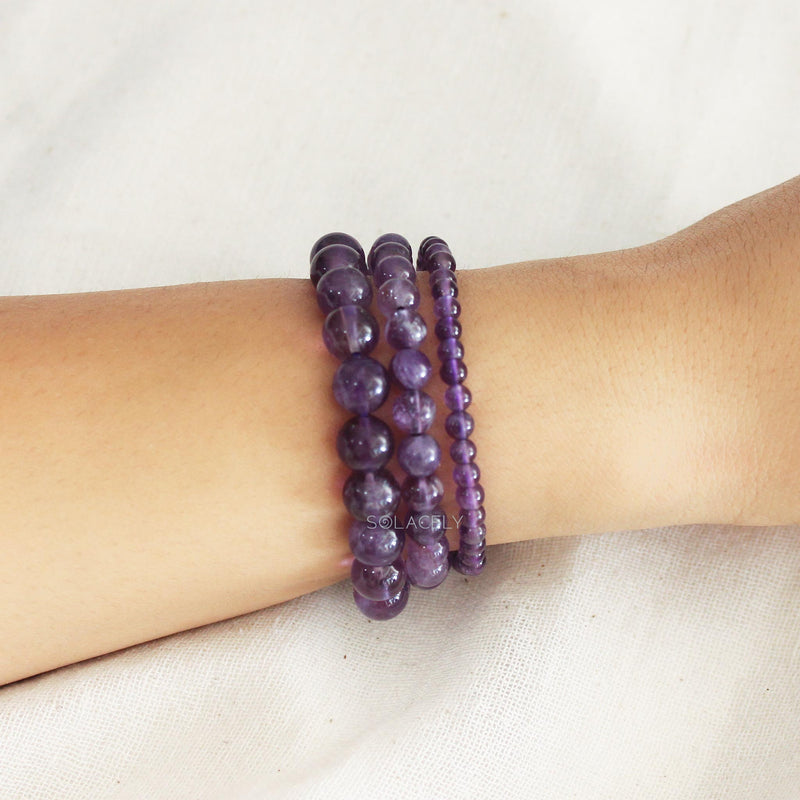
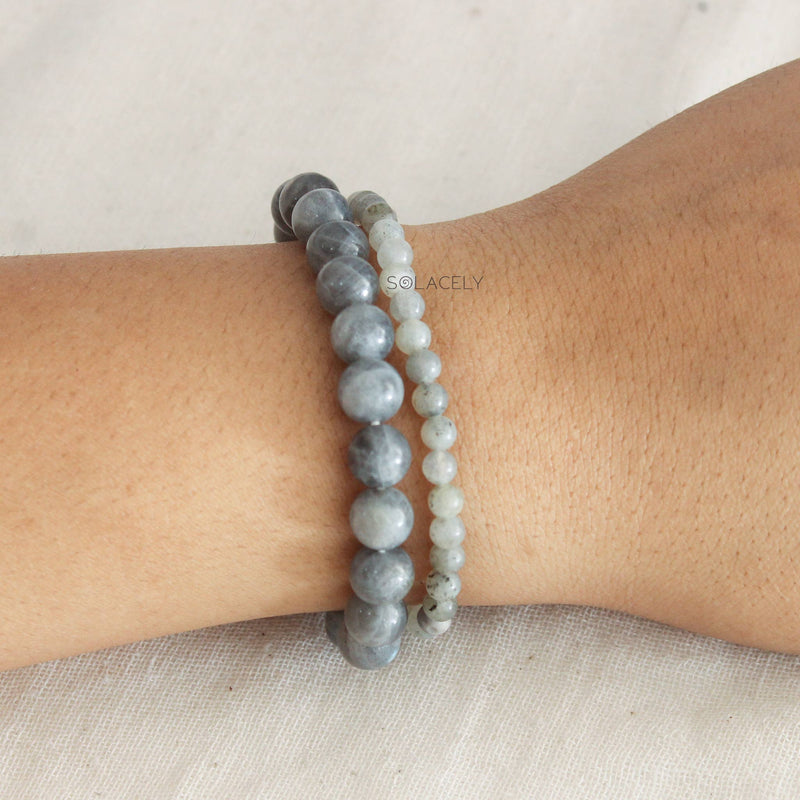
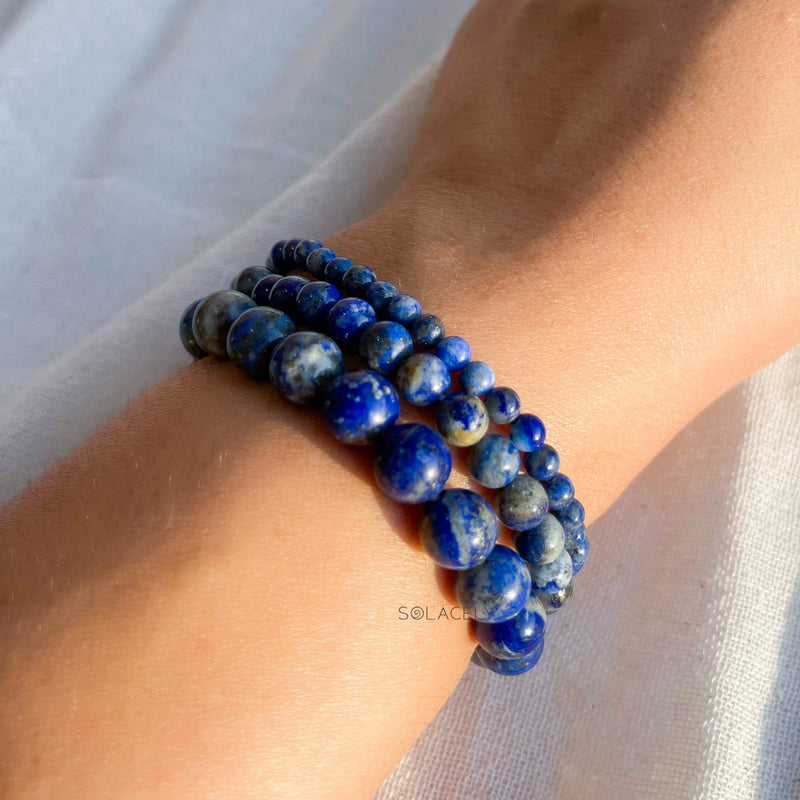
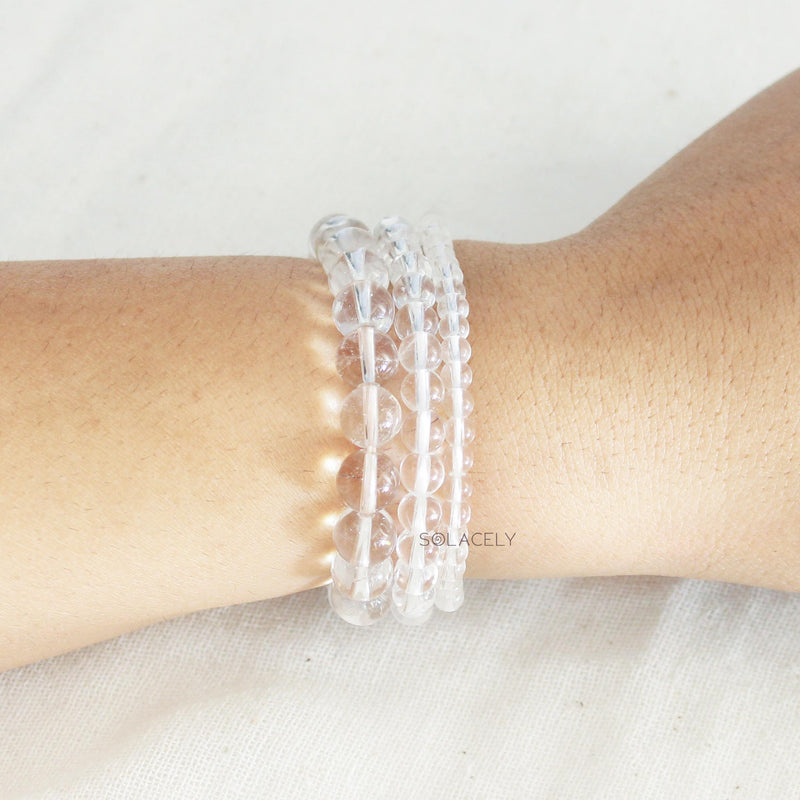
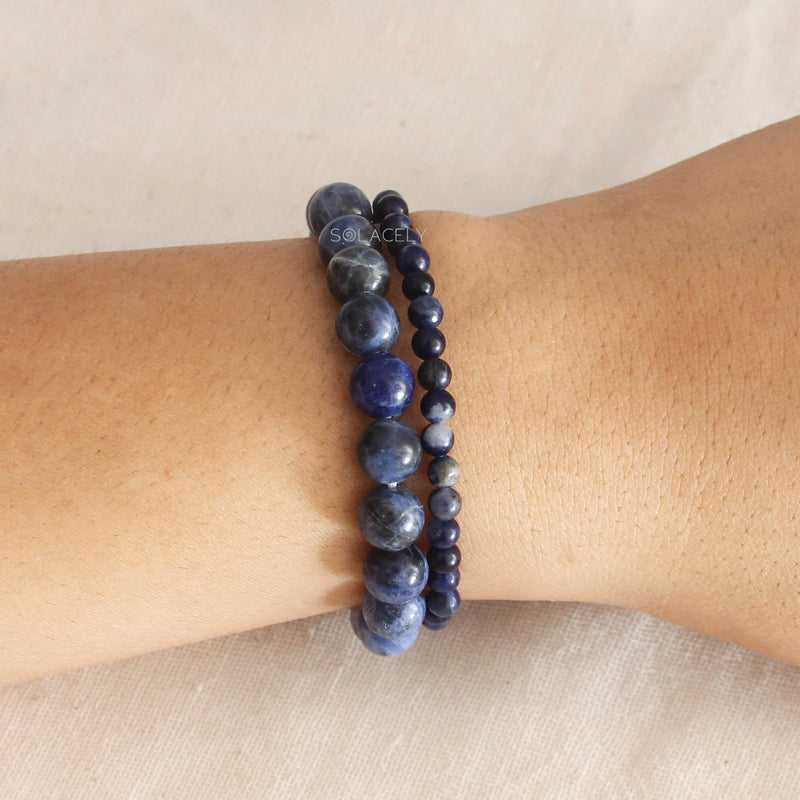
Indigo, violet and deep-blue stones are traditionally chosen for Ajna because their colour matches the chakra's own. Amethyst, lapis lazuli and labradorite are the common choices, used to hold intention during meditation or placed at the brow while resting. This is a belief-based practice, not a proven remedy.
| Stone | Traditional association | How to use |
|---|---|---|
| Amethyst | Calm, clarity, intuition | Meditation, bedside, or held in the palm |
| Lapis lazuli | Inner wisdom, insight, truth | Placed at the brow while resting |
| Labradorite | Imagination, perception, protection | Pocket stone or worn daily |
| Sodalite | Logic, clear thinking, focus | Desk or study space |
To use a stone, lie down, place it gently at your brow or hold it in your palm, and breathe while picturing that soft indigo light. Cleanse it now and then under running water or in gentle morning light. One well-chosen stone is plenty to begin.
Method 6: Yoga, breath and indigo food
Yoga and breathwork support Ajna by calming the nervous system and drawing attention inward, which the tradition reads as clearing the brow centre. Child's pose, with the forehead resting on the mat or a block, is the classic posture, since it brings gentle pressure and stillness right to the third eye.
Alternate-nostril breathing, or Nadi Shodhana, is the breath most associated with this centre because it's used to balance and quiet a racing mind. A few slow rounds before meditation can noticeably settle mental chatter. Keep it gentle and unforced.
On the plate, tradition links Ajna to indigo and purple foods: blueberries, blackberries, purple grapes, and to a lesser extent walnuts, thought of as a 'brain food.' This is general wellbeing guidance rather than clinical nutrition, so treat it as a gentle cue and speak to a doctor about any specific dietary concern.
Method 7: Build a daily routine
The methods work best stacked into a short, repeatable routine rather than done once in a burst. Ten to fifteen minutes a day, most days, is enough to start. Give any chakra practice three to four weeks before you judge whether it's helping you feel clearer and more settled.
Here's a simple template:
1. Morning (5 min): A few rounds of alternate-nostril breathing, then indigo-light visualisation. 2. Evening (5 min): Short trataka candle gaze, phone already put away. 3. On waking (2 min): Jot a line or two in your dream journal before the day starts.
Track how you feel in a sentence each night. Small shifts, trusting a first instinct, feeling less foggy, remembering a dream, are the real markers. If you want to keep working upward, the crown chakra above is the natural next step, while clearing the throat chakra below supports honest self-expression. Curious how your energy reads more broadly? Our aura colour meanings guide is a gentle companion read. Struggling to stay consistent? Start with just the morning five minutes.
Sources
Frequently asked questions
About the author


Written by Chetna Sharma, crystal healing practitioner and co-founder of Solacely. Chetna has worked with healing crystals for over a decade and curates Solacely's protective stone collection.