Crystals cannot treat, cure, or slow glaucoma, and relying on them instead of medical care risks permanent, irreversible loss of sight. Glaucoma is a serious eye condition that damages the optic nerve, and it needs prompt, ongoing treatment from an eye doctor, never a crystal. The only honest role a stone can play is as a calming relaxation ritual to help you cope with the stress of a chronic condition, always alongside, and never in place of, proper medical treatment.
Key Takeaways
- Crystals do not treat, cure, or slow glaucoma. There is no evidence they affect eye pressure or the optic nerve in any way.
- Glaucoma can cause permanent, irreversible blindness, so it needs prompt and ongoing care from an eye doctor, never a crystal.
- Relying on crystals instead of medical treatment is dangerous, because vision lost to glaucoma cannot be restored.
- The only honest role for a stone is as a calming ritual to ease the stress of living with a chronic condition, alongside real treatment.
- See an eye doctor, keep regular eye exams, never stop prescribed drops, and treat sudden eye pain with vision loss as an emergency.
Can crystals help glaucoma?
The honest, important answer is no. There is no scientific evidence that crystals can treat glaucoma, lower eye pressure, protect the optic nerve, or improve vision, and no stone should ever be used in place of medical care. Believing otherwise is not just ineffective; it is genuinely dangerous, because glaucoma quietly damages sight, and time lost to an unproven remedy is sight lost for good.
This matters more than with almost any condition, because glaucoma damage is irreversible. Vision already lost cannot be recovered, and the whole goal of treatment is to prevent further loss. Anything that delays proper care, including relying on crystals, works directly against that goal. This guide is honest about that from the start, because with glaucoma the stakes are your eyesight, and there is no undoing damage once it is done.
If you are drawn to crystals for comfort, they can have a small, separate place, purely as a calming ritual to help with the stress of a diagnosis, which we explain below. But the crystals themselves do nothing for the disease. Understanding stones as gentle self-care, never as treatment, is the only responsible way to use them here, alongside the map of stone meanings in our guide to crystals for different purposes.
What glaucoma is and why it needs a doctor
Glaucoma is a group of eye conditions that damage the optic nerve, the nerve that carries images from the eye to the brain, often, though not always, linked to raised pressure inside the eye. According to the U.S. National Eye Institute, glaucoma is a leading cause of blindness, and it frequently causes no symptoms in its early stages, which is why it is nicknamed the silent thief of sight.
Because early glaucoma is usually painless and symptom-free, many people do not know they have it until vision is already lost. That is why regular eye exams matter so much: an eye doctor can detect glaucoma early and start treatment before serious damage occurs. There is no situation in which a crystal can do this, and no substitute for professional testing.
Treatment, prescribed and monitored by an eye doctor, typically lowers eye pressure with prescription drops, laser, or surgery, and it can slow or halt further damage when started early and kept up. The single most important thing anyone with glaucoma can do is follow that treatment faithfully and attend every check-up, since the disease is managed over a lifetime rather than cured once. Crystals have no role in it whatsoever.
The only honest role for a crystal: calming the stress of a diagnosis
Living with a chronic, sight-threatening condition is stressful, and that is the one narrow area where a crystal can offer something, not to the eyes, but as a small prop for a relaxation ritual. Holding a smooth, calming stone while you breathe slowly is a way to unwind, and reducing stress is good for your overall wellbeing while you manage a long-term condition.
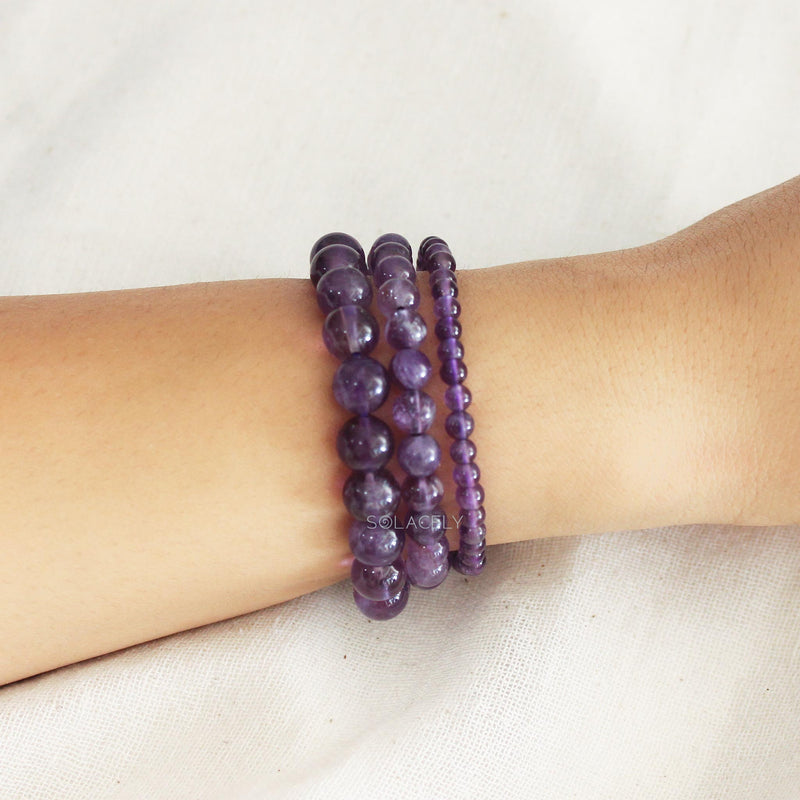
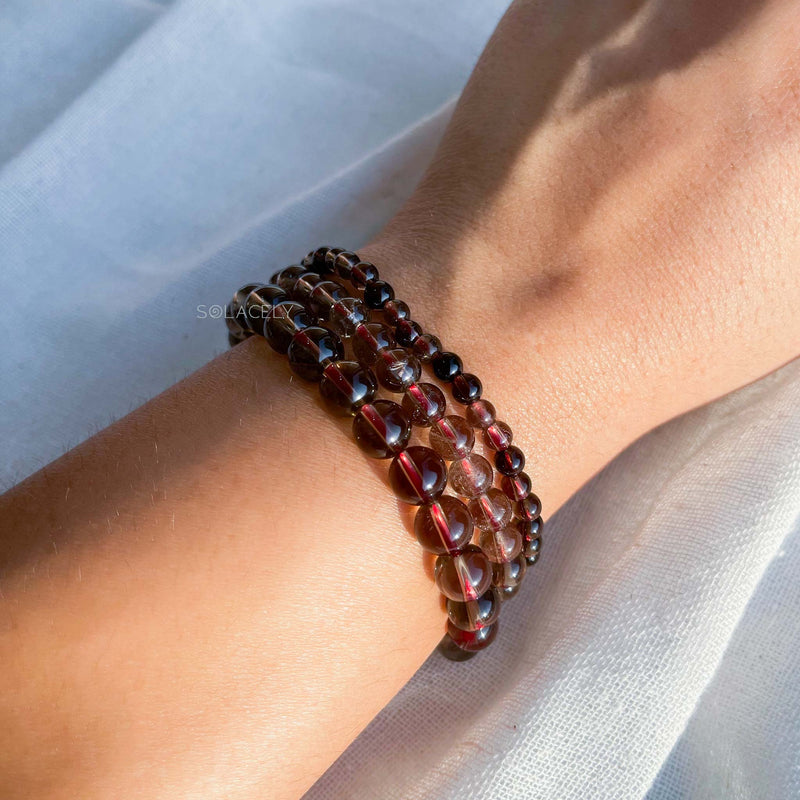
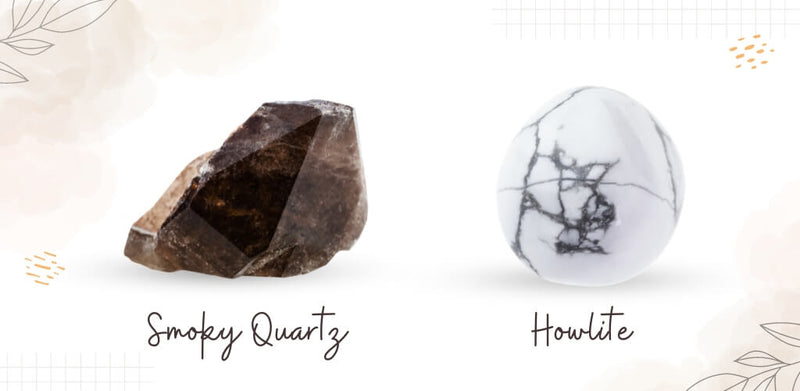
The U.S. National Center for Complementary and Integrative Health notes that relaxation and mindfulness practices can help many people manage stress and cope with a chronic illness, used alongside standard medical care. A calming stone like amethyst or smoky quartz can be a gentle anchor for that kind of wind-down, much as we describe in our guide to smoky quartz and howlite for a quiet mind.
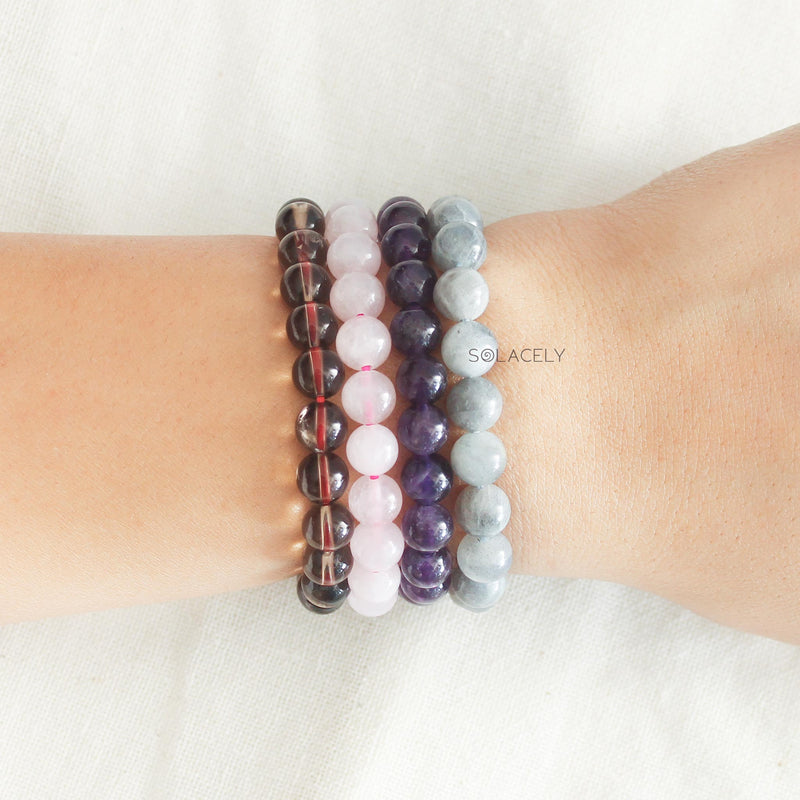
But the boundary must be crystal clear: this eases stress, not glaucoma. The relaxation may help you feel calmer and cope better, which is worthwhile, but it does nothing for your eye pressure or your optic nerve. For comfort and emotional support during a hard time, our guide to rose quartz for emotional healing may be a gentle companion, again purely as self-care alongside your treatment.
When to see a doctor, and urgent warning signs
This is the most important section here. If you have glaucoma, are at risk, or have any concern about your eyes or vision, see an eye doctor, an optometrist or ophthalmologist, promptly, and keep every appointment. Regular eye exams are the only way to catch and monitor glaucoma, and there is no home or crystal alternative.
Certain signs are a medical emergency and need immediate care, because one form, acute angle-closure glaucoma, can cause rapid, permanent vision loss. Seek emergency help at once if you have:
- Sudden, severe eye pain or a red, painful eye.
- Sudden blurred vision or vision loss.
- Halos or rainbow rings around lights.
- Headache with nausea or vomiting alongside eye symptoms.
Beyond emergencies, never stop or skip prescribed glaucoma drops or treatment without your doctor's guidance, even if your eyes feel fine, since glaucoma is usually painless while it does its damage. If money, side effects, or access make treatment hard, talk to your eye doctor about options rather than stopping. Consistent treatment is what protects your sight, and your eye doctor would far rather adjust your plan than have you quietly stop it.
What actually helps protect your sight
Alongside a calming ritual for stress, the things that genuinely help with glaucoma are all medical and practical. They are what protect your vision, and a crystal is at most a small comfort beside them, never a replacement.
- Get regular eye exams. Early detection and monitoring by an eye doctor is the single most important step, especially if you are over 40 or have a family history.
- Follow your treatment exactly. Use prescribed drops or treatments as directed, every day, and never stop without your doctor's advice.
- Keep your appointments. Ongoing monitoring lets your doctor adjust treatment before damage progresses.
- Look after your general health. Managing conditions like high blood pressure and diabetes, and staying active, supports eye health.
- Manage stress healthily. Relaxation, including a calming crystal ritual if you like, supports your wellbeing while you cope with a chronic condition.
The message throughout is simple: protect your sight with real medical care, and let a crystal be, at most, a gentle companion for the stress. To use a calming stone as part of a wind-down, our step-by-step on how to cleanse and charge crystals covers the gentle methods, entirely separate from your treatment.
Coping emotionally with a glaucoma diagnosis
A glaucoma diagnosis can be frightening, and it is completely normal to feel anxious about your sight and your future. Looking after your emotional wellbeing is a real and important part of living well with a chronic condition, even though it does nothing for the disease itself, and this is where gentle self-care, including a calming crystal ritual if it comforts you, genuinely belongs.
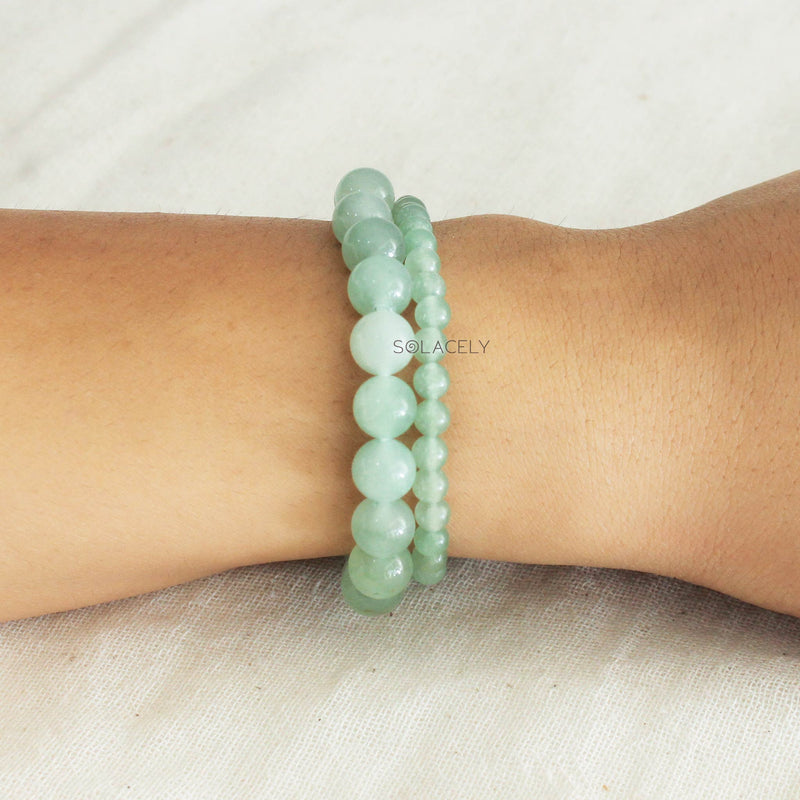
Practical support helps most: lean on family and friends, ask your eye doctor every question you have so the condition feels less unknown, and consider a support group or counsellor if the worry is heavy. Staying hopeful and calm, which a soothing stone can gently encourage, makes it easier to keep up the treatment that protects your sight, and our note on green aventurine and amazonite covers stones people use for hopeful calm during hard times.
The key, again, is the boundary: care for your feelings with comfort and support, and care for your eyes with medical treatment. Both matter, but only one protects your vision, and the two must never be confused. Keep your appointments, keep your treatment, and let the gentle rituals be exactly that, gentle rituals for your peace of mind. Held with that clear understanding, a calming stone can be a small, kind comfort on a hard day, without ever misleading you about what truly protects your vision.
Sources
- National Eye Institute (NIH) - Glaucoma: causes, symptoms, and treatment: https://www.nei.nih.gov/learn-about-eye-health/eye-conditions-and-diseases/glaucoma
- MedlinePlus (U.S. National Library of Medicine) - Glaucoma: https://medlineplus.gov/glaucoma.html
- National Center for Complementary and Integrative Health (NIH) - Relaxation Techniques: What You Need To Know: https://www.nccih.nih.gov/health/relaxation-techniques-what-you-need-to-know
Frequently asked questions
About the author


Written by Chetna Sharma, crystal healing practitioner and co-founder of Solacely. Chetna has worked with healing crystals for over a decade and curates Solacely's protective stone collection.