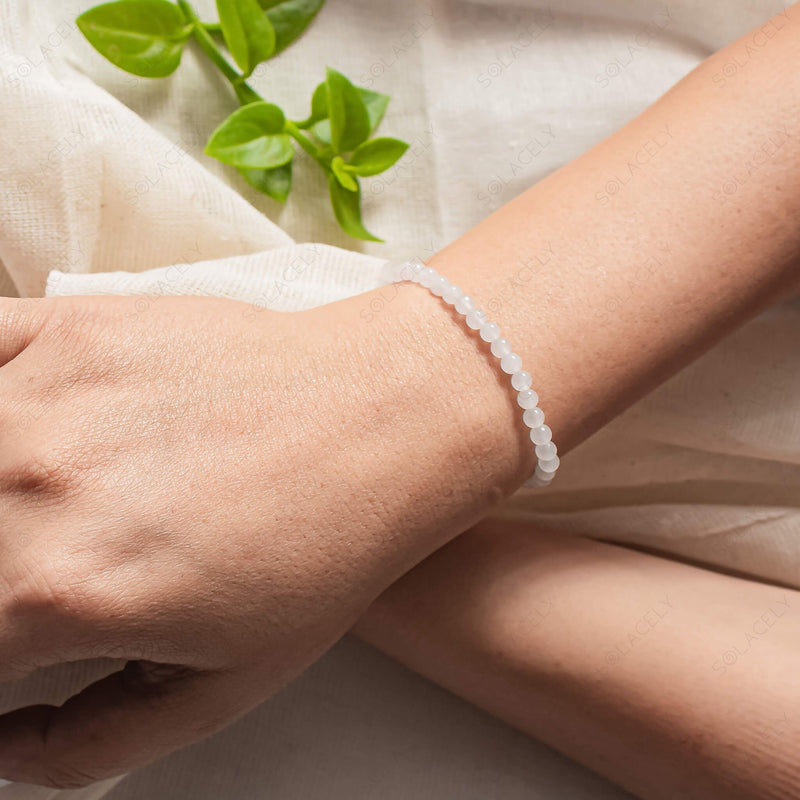
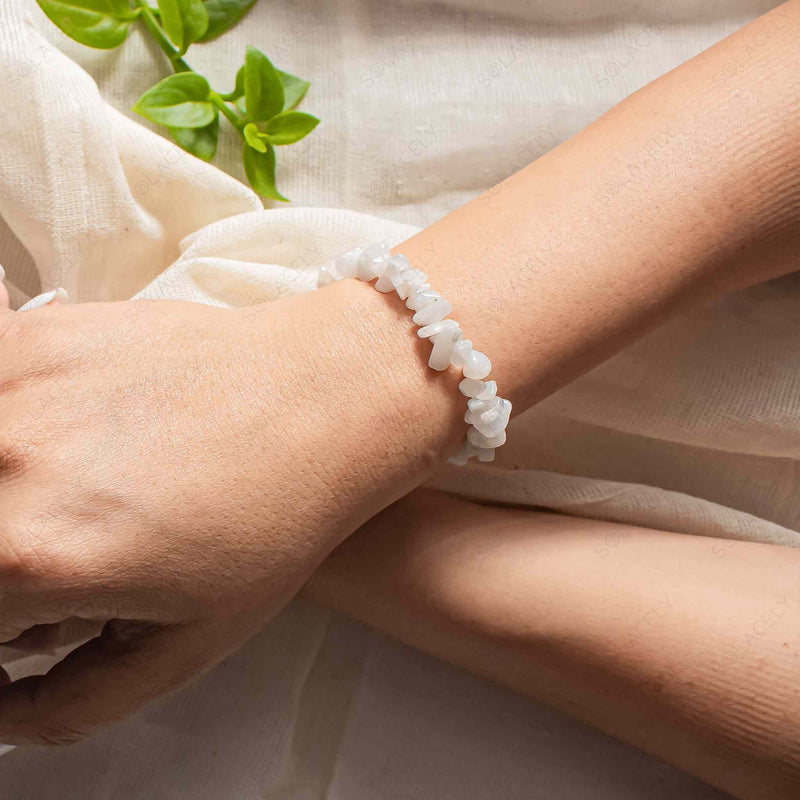
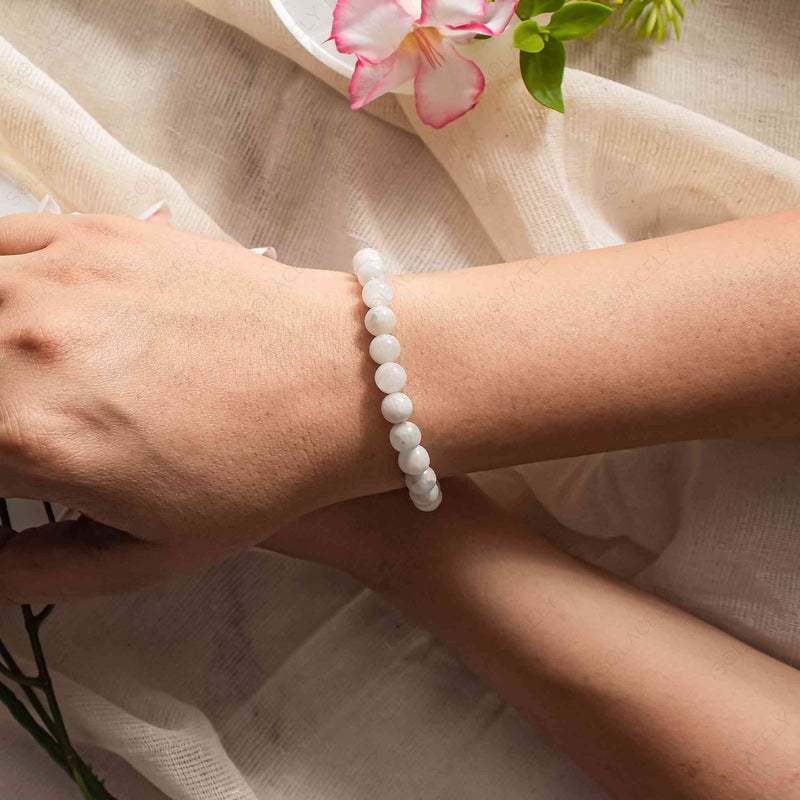
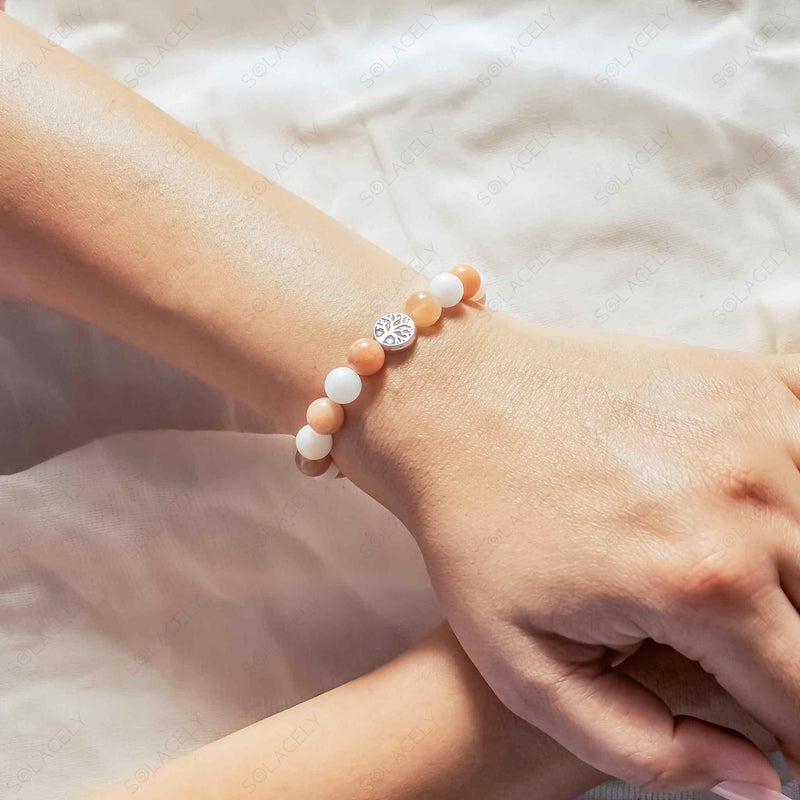
In Vedic astrology the Moon's stone is natural pearl, known as moti, with moonstone and white sapphire as the usual substitutes. It is traditionally set in silver and worn on the little finger of the right hand, begun on a Monday. The Moon governs mind, mood and emotional steadiness.
Key takeaways
- The Moon's primary stone is natural pearl (moti). Moonstone and white sapphire are the common substitutes.
- Pearl is organic, not a mineral, and very soft at 2.5 to 4.5 on the Mohs scale. It is damaged by acids, perfume and even sweat.
- Moonstone's floating blue sheen, called adularescence, comes from light scattering between microscopic layers in the feldspar.
- Tradition sets the stone in silver, worn on the little finger, first put on during a Monday evening.
- Astrological gemstone practice is traditional belief, not medical or psychological advice.
Which crystals are associated with the Moon?
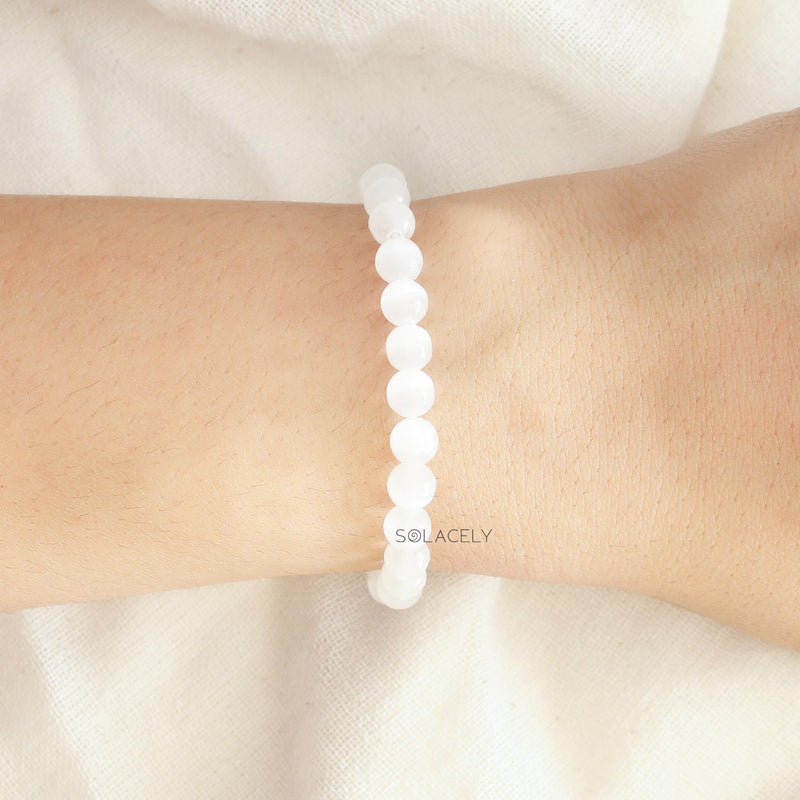
Pearl leads in the classical system. Vedic astrology assigns each of the nine grahas a primary gemstone, and the Moon's is moti. Moonstone is the substitute most people actually wear, with white sapphire named where a harder, more durable stone is wanted, and selenite and clear quartz appearing in modern crystal practice.
Chandra, the Moon, governs mind, mood, memory and the emotional weather of a life. Its stone is recommended most often to people in periods of emotional turbulence, sleeplessness, or the kind of restlessness that has no obvious external cause.
The shared logic across the substitutes is a soft white or pale sheen rather than any common chemistry. The neighbouring guides, crystals for the Sun and crystals for Mercury, set out the same structure for their planets.
Pearl: organic, beautiful and genuinely delicate
Pearl is the odd one out in the entire planetary set, because it is not a mineral at all. It is produced by molluscs, built from layers of nacre, and that organic origin explains every one of its care requirements.
It is soft, sitting between roughly 2.5 and 4.5 on the Mohs scale, which puts it below almost everything else in a jewellery box. It is also chemically vulnerable in a way stones are not: acids dissolve nacre, so vinegar, lemon juice, perfume, hairspray and even prolonged contact with sweat will dull the surface permanently.
The practical consequence for astrological use is significant. A pearl ring worn continuously, as the tradition prescribes, will degrade faster than any mineral alternative. Many practitioners accept this and simply replace the stone; others recommend moonstone from the outset for exactly this reason.
Moonstone, the substitute most people wear
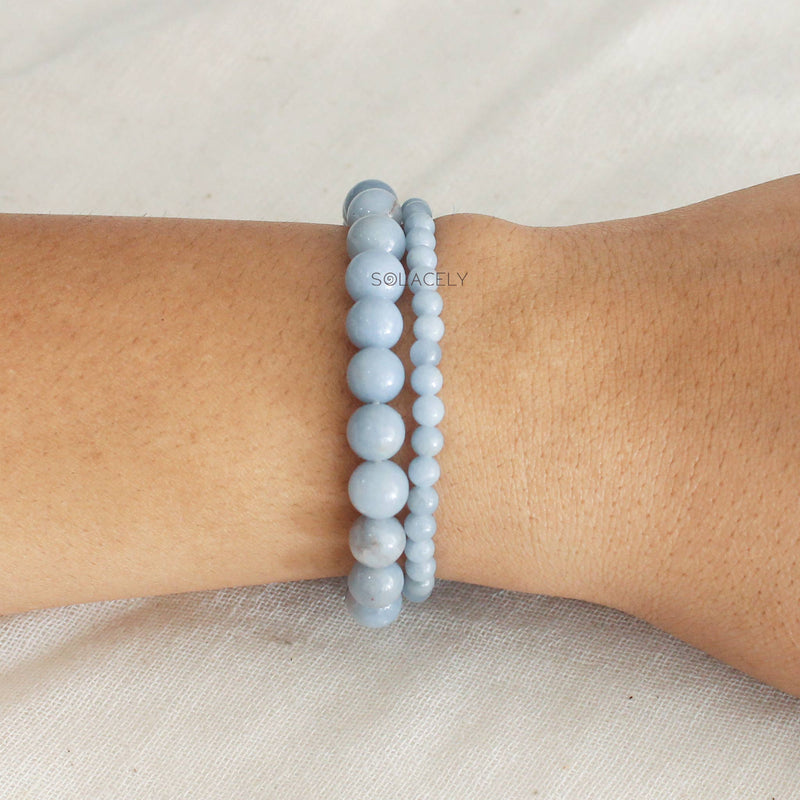
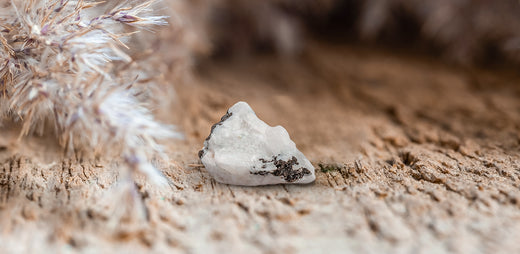
Moonstone is the practical choice and the one that dominates the market. The Gemological Institute of America describes it as a feldspar whose floating blue sheen, adularescence, comes from light scattering between microscopic layers within the stone.
That effect is the whole basis of its appeal, and it has a practical implication: moonstone shows best in movement and daylight. A bracelet or a pendant gets far more out of the stone than a piece sitting still in a drawer.
It sits at roughly 6 to 6.5 on the Mohs scale, harder than pearl by a wide margin, but it shares the family weakness of cleavage planes, so a sharp knock can split a piece that has survived years of gentle wear. Geology.com notes that feldspars are the most abundant mineral group in the Earth's crust, which is why moonstone is affordable despite the striking effect. The moonstone meaning and properties guide covers it in depth.
How the Moon's stone is traditionally worn
| Element | Traditional prescription | Practical note |
|---|---|---|
| Primary stone | Natural pearl (moti) | Soft, acid sensitive, will degrade with daily wear |
| Substitutes | Moonstone, white sapphire, selenite | Moonstone is the usual real-world choice |
| Metal | Silver | The metal associated with the Moon in this system |
| Finger | Little finger, right hand | Some regional traditions differ |
| Day to begin | Monday evening | Monday is Somvar, the Moon's day |
| Hardness | Pearl 2.5 to 4.5, moonstone 6 to 6.5, white sapphire 9 | White sapphire is the durable option by far |
White sapphire deserves a mention as the sensible modern compromise. It carries the pale, colourless quality the tradition asks for and, at 9 on the Mohs scale, it is the only option here that will survive decades of continuous wear without visible damage.
What the tradition claims
The Moon in this system is associated with the mind rather than the intellect, meaning mood, memory, intuition and emotional regulation. Its stone is recommended for periods of anxiety, mood instability, poor sleep, and difficulty settling.
That is worth stating carefully, because it edges close to medical territory. Traditional practice speaks about emotional steadiness, and it sits alongside clinical care rather than in place of it. Depression, anxiety and insomnia are conditions with effective treatments, and a GP is the right first call for any of them.
Used as a symbolic support alongside proper care, the tradition is reasonable. Used instead of proper care, it is not. If sleep is the specific difficulty, the practical stone choices are covered in the best crystals for sleep, which takes a similarly plain approach.
Buying pearl and moonstone
Pearl pricing is driven by lustre first, then surface cleanliness, shape, size and colour. Natural pearls are genuinely rare and expensive; the vast majority of what is sold is cultured, which is entirely legitimate and should be described as such.
Vedic practice traditionally specifies a natural rather than cultured pearl, which is a considerable expense. Many practitioners accept cultured pearls in practice. Ask directly which it is. A good seller will say plainly, and the price will follow the answer.
Moonstone is far simpler. Look for a strong blue sheen that moves as you tilt the stone, and check for the milky, slightly translucent body that indicates genuine feldspar rather than opalite glass. Check where it sits on the Mohs hardness scale before storing it with harder pieces.
Care
Pearl demands the most care of anything in this set. Wipe it with a soft damp cloth after every wear, put it on last after cosmetics and perfume have dried, and store it in a soft pouch away from harder stones. Never use ultrasonic cleaners, steam, or any chemical cleaner.
Moonstone takes warm water, mild soap and a soft cloth, dried fully. Avoid ultrasonic cleaners on any feldspar, since the cleavage makes it vulnerable to vibration. White sapphire, by contrast, is essentially indestructible in ordinary use.
For energetic cleansing, moonlight is the traditional match for all of them, and it happens to be the gentlest option physically too. Skip salt water entirely, which is unkind to pearl and to feldspar alike. If you are working through the full planetary set, crystals for Rahu covers one of the harder ones.
The properties described here reflect traditional Vedic and cultural belief around gemstones. They are not medical or psychological claims and are not a substitute for professional care. No gemstone treats depression, anxiety, or insomnia. If you are experiencing persistent low mood, anxiety, or sleep difficulty, speak to a GP or a qualified practitioner.
Sources
Written by Chetena Sharma. Reviewed by the Solacely editorial team.
Frequently asked questions
About the author


Written by Chetna Sharma, crystal healing practitioner and co-founder of Solacely. Chetna has worked with healing crystals for over a decade and curates Solacely's protective stone collection.