In Vedic astrology the Sun's stone is ruby, and the widely used substitutes are red garnet, sunstone, and red spinel. They are traditionally worn in gold on the ring finger of the right hand to support confidence, authority, and vitality. These are cultural prescriptions, not medical or financial advice.
Key takeaways
- The Sun's primary stone is ruby (manikya). Red garnet and sunstone are the common affordable substitutes.
- Ruby is a variety of corundum, rated 9 on the Mohs scale, second only to diamond in hardness.
- Traditional practice sets the stone in gold or copper, worn on the ring finger of the right hand, usually begun on a Sunday morning.
- Sunstone is a feldspar whose glitter comes from tiny reflective mineral platelets, not from any solar property.
- Astrological gemstone practice is a long established tradition, kept for reflection and for marking an intention.
Which crystals are associated with the Sun?
Ruby leads, because Vedic astrology assigns each of the nine grahas a primary gemstone and ruby is the Sun's. Where ruby is out of reach, practitioners substitute red garnet or red spinel, and modern crystal traditions have added sunstone and citrine for the same solar association. The shared logic is colour and warmth rather than chemistry.
The Sun, or Surya, is linked in this system to self, authority, vitality, and the father. People typically turn to its stones during periods where they feel overlooked, unable to assert themselves, or drained of initiative. Whether you read that literally or as useful symbolism, the stones chosen are consistent across sources.
The rest of the planetary set follows the same structure, and the neighbouring guides to crystals for the Moon and crystals for Mercury lay out those assignments in the same way.
Ruby: the Sun's primary stone
Ruby is red corundum, an aluminium oxide coloured by traces of chromium. That single element is responsible for both the red and the fluorescence that makes fine ruby seem lit from inside. Geology.com describes corundum as an extremely hard mineral rated 9 on the Mohs scale, which is why ruby survives generations of daily wear.
Traditional practice is specific. The stone is set in gold or copper so it touches the skin, worn on the ring finger of the right hand, and usually first put on during a Sunday morning. Weight recommendations vary by practitioner, which should tell you how much of this is convention rather than fixed rule.
Be clear-eyed about the market. Most affordable ruby has been heat treated or glass-filled, and the disclosure quality varies wildly. If you are spending seriously, buy from a seller who states the treatment in writing.
Red garnet and red spinel as substitutes
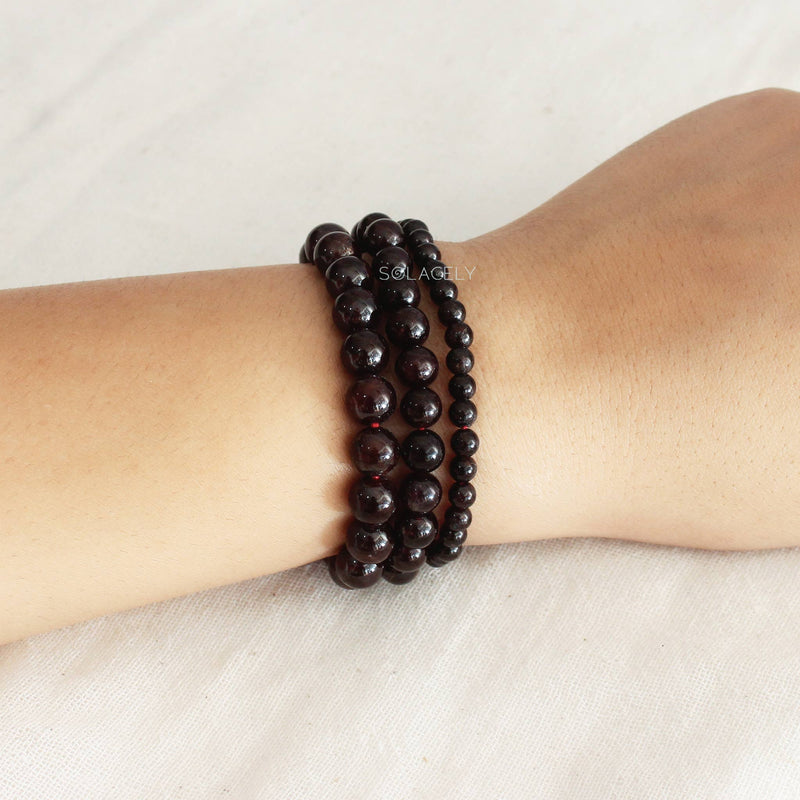
Red garnet is the substitute most people actually end up wearing, because it delivers the colour at a fraction of the price and is hard enough for a ring. According to the Gemological Institute of America, garnet is not one mineral but a group of silicates spanning many species, with hardness generally between 6.5 and 7.5 on the Mohs scale.
Red spinel is the other classic stand-in, and historically it fooled everyone. Several famous "rubies" in royal collections turned out to be spinel once mineralogy caught up. It sits around 8 on the Mohs scale, which makes it more durable than garnet and easier to wear daily.
For the fuller mineral picture on garnet, including how the different species differ, see the garnet crystal meaning guide.
Sunstone: the modern solar stone
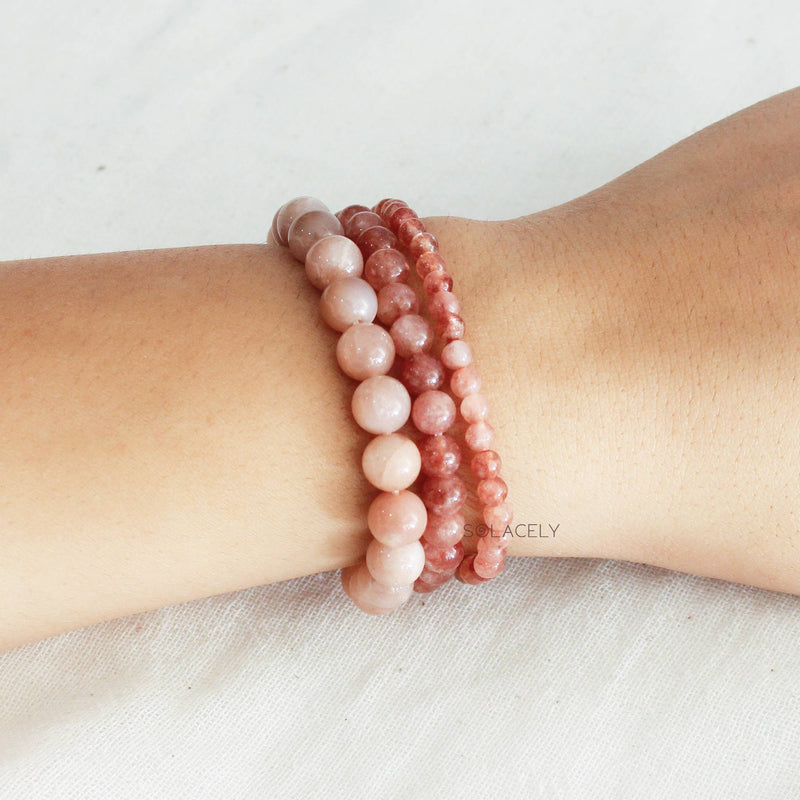
Sunstone is the stone most people meet first, and it belongs to the feldspar group rather than the classical Vedic list. Its glitter, called aventurescence, comes from tiny reflective platelets of copper or hematite suspended inside the crystal. Geology.com explains that these inclusions catch light as the stone moves, producing the spangled flash.
In practice sunstone is used for warmth, optimism, and getting started again after a flat period. It is softer than ruby, sitting roughly 6 to 6.5 on the Mohs scale as most feldspars do, so a bracelet or pendant is a better format than a ring that takes knocks.
It is also the friendliest entry point here, since a sunstone bracelet costs a fraction of any ruby and can be worn immediately without a consultation. The sunstone meaning and properties guide covers it properly.
How the Sun's stones are traditionally worn
| Element | Traditional prescription | Practical note |
|---|---|---|
| Primary stone | Ruby (manikya) | Expensive; check treatment disclosure |
| Substitutes | Red garnet, red spinel, sunstone | Garnet is the usual real-world choice |
| Metal | Gold or copper | Open-backed setting so the stone meets skin |
| Finger | Ring finger, right hand | Left hand is used in some regional traditions |
| Day to begin | Sunday morning | Convention, and practitioners differ |
| Hardness | Ruby 9, spinel 8, garnet 6.5 to 7.5, sunstone 6 to 6.5 | Softer stones suit pendants over rings |
One caution worth stating plainly. Vedic gemstone practice traditionally follows a chart reading, and practitioners generally advise against wearing a strong planetary stone on the basis of a web article alone. If you take the system seriously, get the chart read. If you are treating it as symbolism, wear what appeals and skip the anxiety.
Caring for solar stones
Ruby and spinel are hard and forgiving: warm soapy water, a soft brush, and a full dry are enough. Avoid ultrasonic cleaners on any stone described as fracture filled, because the filling can be damaged.
Garnet takes the same treatment and tolerates brief sunlight. Sunstone needs more care. Feldspars cleave along flat planes, so a sharp knock can split a stone that survived years of gentle wear. Store it separately from quartz and harder beads, and use the Mohs hardness scale to judge what any new stone can safely sit beside.
For energetic cleansing, sunlight is the traditional match for solar stones, but keep sessions short. Prolonged sun fades amethyst and citrine and can dry out the polish on softer material. If you are assembling a wider planetary set, crystals for Jupiter follows the same conventions.
Buying without getting caught out
The Sun's stones sit at the expensive end of the astrological set, which is exactly why the market around them is messy. Ruby in particular is heavily treated. Heat treatment is routine and widely accepted, but glass filling is a different matter: it improves the look of badly fractured material and leaves a stone that is far more fragile than its price suggests.
Ask three questions before you buy anything significant. What treatment has this stone had, is that stated on the invoice, and is there an independent report. A seller who answers all three plainly is worth paying more to deal with. A seller who calls a stone natural without qualifying the word is not.
Substitutes carry their own trap. A great deal of what is sold as red garnet is genuine, but a fair amount of cheap red material sold for planetary use is glass or dyed quartz. Garnet is singly refractive and reasonably heavy for its size, and a jeweller can confirm it in minutes. If the price seems impossible for the size, it usually is.
The properties described here reflect traditional Vedic and cultural belief around gemstones. They are not medical claims, financial guidance, or a substitute for professional advice. Astrological gemstone recommendations vary between practitioners and are not verifiable by scientific method. Consult a qualified professional for any health, legal, or financial concern.
Sources
Written by Chetena Sharma. Reviewed by the Solacely editorial team.
Frequently asked questions
About the author


Written by Chetna Sharma, crystal healing practitioner and co-founder of Solacely. Chetna has worked with healing crystals for over a decade and curates Solacely's protective stone collection.