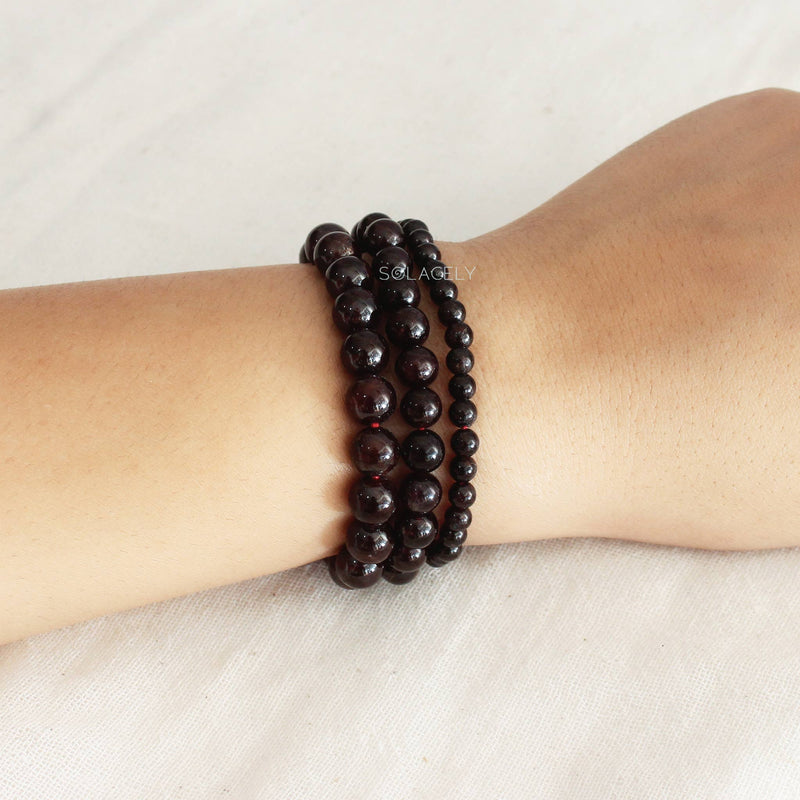
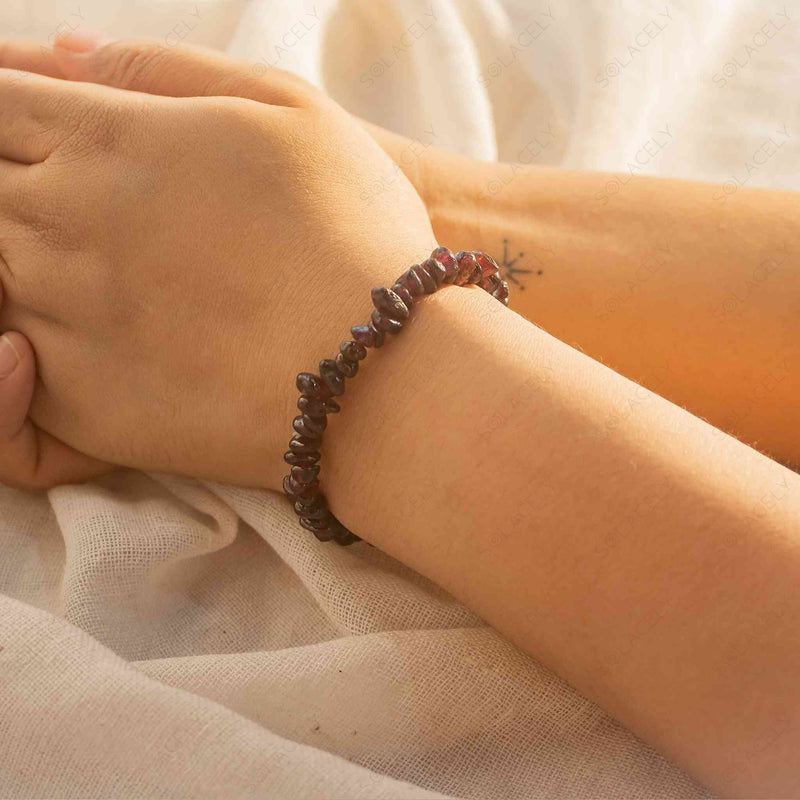
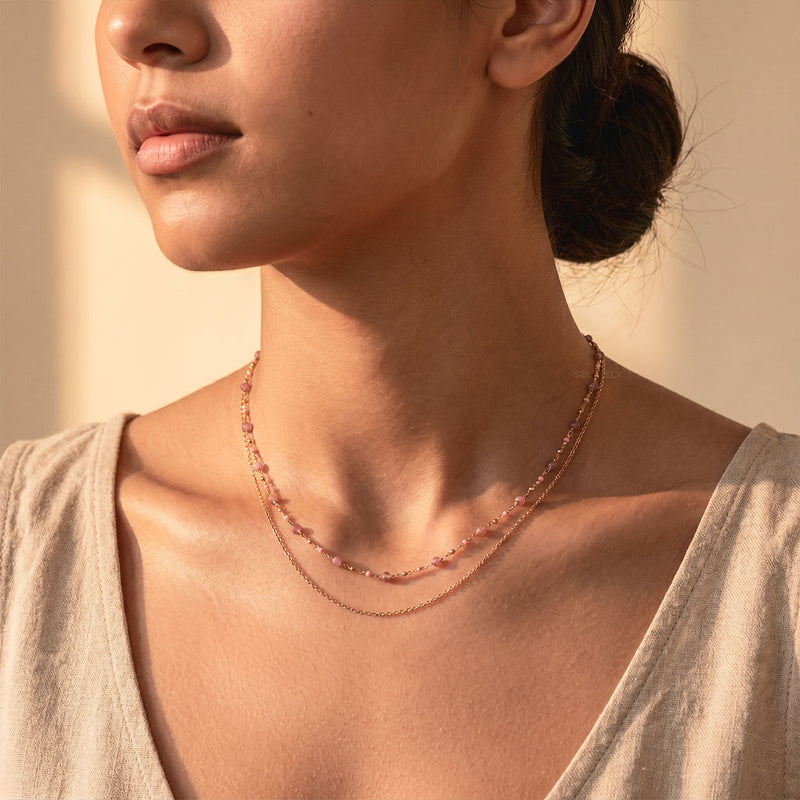
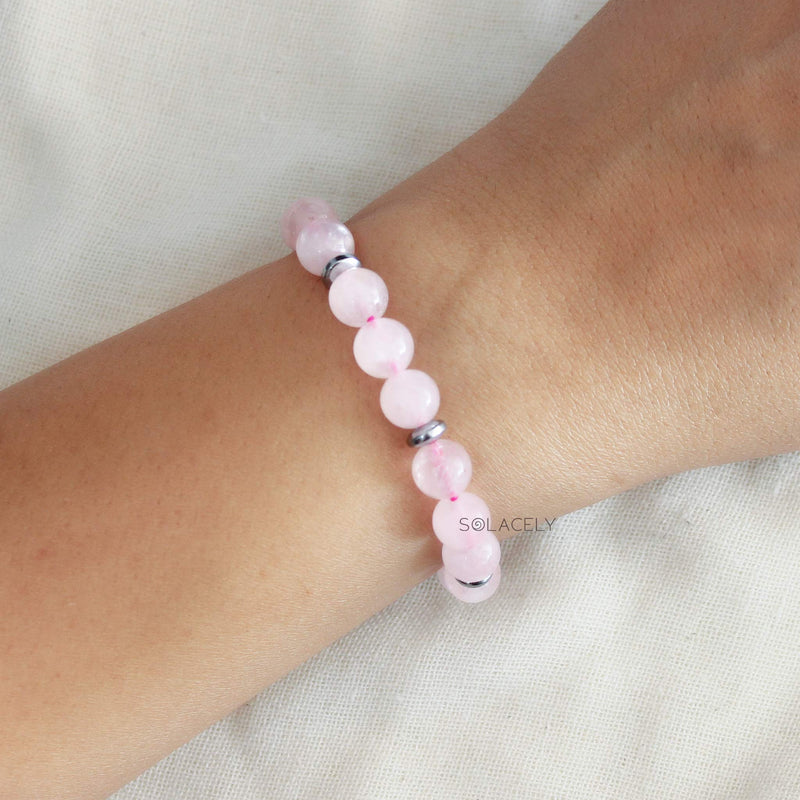
Red garnet and pink tourmaline are paired as a love combination that balances passion with tenderness. Garnet, a deep fiery red, brings passion, warmth, and physical vitality; pink tourmaline, soft and rose-pink, brings gentle love, compassion, and emotional healing. Together they are used to hold both sides of love at once, desire and kindness, which makes the pair a favourite for relationships and self-love. It is a warming, heart-centred ritual, a focus for how you love, not a magic charm.
Key Takeaways
- Red garnet is linked in tradition with passion, warmth, and vitality; pink tourmaline with gentle love, compassion, and emotional healing.
- Together they balance passion with tenderness, uniting desire and kindness, which is why the pair suits relationships and self-love.
- The honest benefit is intention and mindset: the stones anchor a daily reminder to bring both warmth and gentleness to love, not literal romance.
- Both are heart-and-warmth stones you can carry, wear, or hold in a short intention with a partner or for yourself.
- These are traditional, belief-based associations, not guarantees. Treat the pair as a reflective ritual and seek support for real relationship distress.
What are red garnet and pink tourmaline?
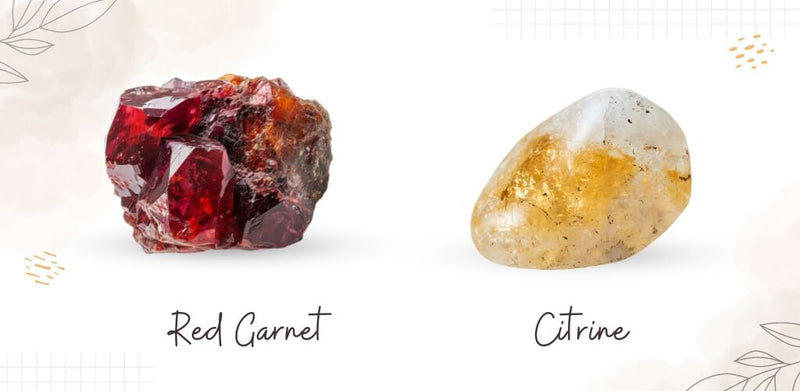
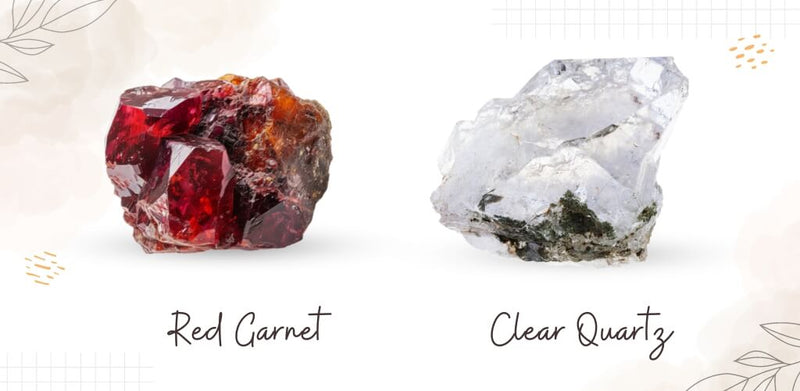
Red garnet is a deep red gemstone from the garnet group of silicate minerals. According to Encyclopaedia Britannica, garnets are a family of silicate minerals in many colours, with deep red almandine and pyrope the most familiar. Tradition reads that glowing red as passion, warmth, and vitality, tying garnet to physical energy and the fiery, desiring side of love.
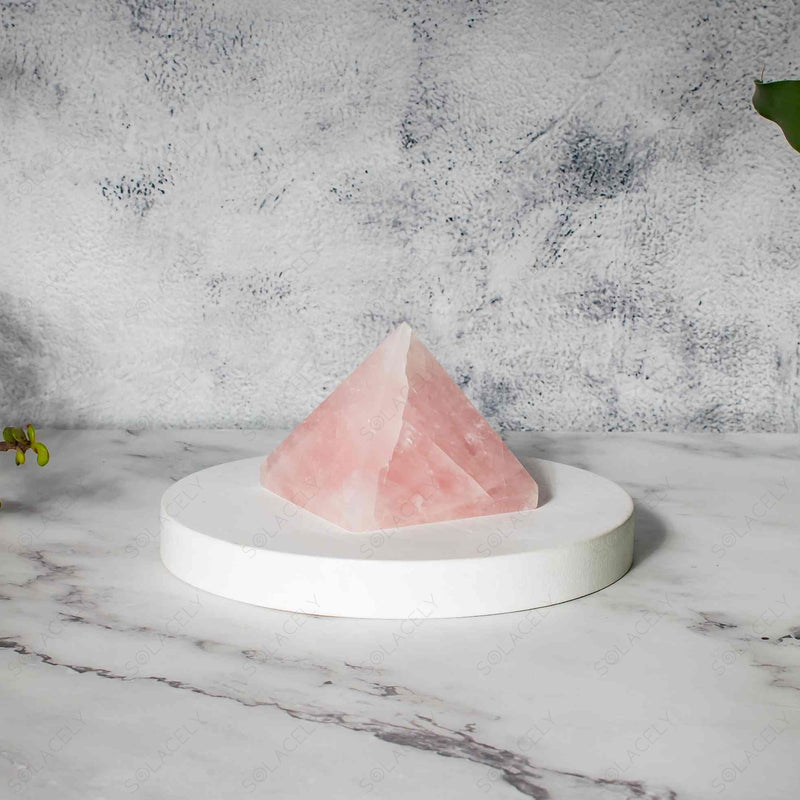
Pink tourmaline is a rose-to-pink variety of tourmaline, a boron-rich silicate mineral. The Gemological Institute of America notes that tourmaline comes in a remarkable range of colours, with pink and red varieties among the most prized. In crystal tradition that soft pink links it to the heart, and so to gentle love, compassion, and emotional healing, the tender, caring side of love.
So one stone is fiery and passionate, the other soft and compassionate. That contrast is the whole point of the pairing: garnet brings the heat, pink tourmaline brings the warmth, and together they hold the full range of love. If you want the wider map of stones by intention, our guide to crystals for different purposes lays it out.
Why pair red garnet with pink tourmaline?
The pairing works because love has two sides that do not always sit together easily. Garnet is passion, desire, and vitality, the spark and heat of love, while pink tourmaline is tenderness, compassion, and gentle care. On their own, passion can run hot and tenderness can feel timid; together they balance into love that is both warm and kind.
Think of when this suits you: deepening a relationship so it holds both passion and patience, reigniting warmth that has gone quiet, or practising a self-love that is both fierce and gentle. Garnet keeps the fire alive; pink tourmaline keeps it caring. That balance of heat and heart is exactly what a lasting, tender relationship needs.
This makes it a distinctly heart-centred pairing, softer than its energetic siblings. Where garnet with citrine is about drive and optimism, and garnet with clear quartz is about focus and amplification, garnet with pink tourmaline is about love, warmth, and compassion. We cover those combinations in red garnet and citrine and red garnet and clear quartz.
Red garnet: passion, warmth, and vitality
In matters of the heart, red garnet is the stone of passion, traditionally linked with desire, warmth, and the vital, physical side of love. Its deep red is read as heat and life, so it has long been given as a token of devotion and used to keep the spark alive in a relationship. It is the fire of this pairing, the warmth that keeps love feeling alive.
The honest version of this is intention and mood. A garnet kept close, or shared with a partner, is a physical reminder to bring warmth, attention, and presence to your relationship rather than letting it drift into routine. It does not conjure passion out of nothing, but as a cue to show up warmly and wholeheartedly, it genuinely helps some people rekindle that focus.
Garnet has long carried romantic meaning, which is why it makes such a warm token for an anniversary, a wedding, or any occasion when you want to mark devotion. Given with intention, it says you are choosing to keep the fire tended, and it pairs beautifully with the gentler heart energy of pink tourmaline.
Pink tourmaline: gentle love and compassion
Pink tourmaline is the stone of gentle love, used for compassion, tenderness, and emotional healing, and it is a classic heart-chakra stone. Where garnet brings the heat, pink tourmaline brings the softness, the patience, kindness, and care that let love feel safe. It is often chosen for self-compassion as much as for romance, soothing an old hurt so the heart can open again.
The realistic mechanism is reflection and reminder. Held during a quiet moment or a kind affirmation, pink tourmaline anchors a gentler way of relating, to a partner and to yourself. Sitting with it and breathing slowly is a small mindfulness practice, and the U.S. National Center for Complementary and Integrative Health notes that mindfulness can help many people manage stress and steady the emotions.
Because its focus is the heart, pink tourmaline sits comfortably alongside other heart stones like rose quartz, which we cover in rose quartz for emotional healing. For the full set of heart-centred stones this pairing draws on, see our guide to crystals for the heart chakra.
How to use red garnet and pink tourmaline together
The pair is simple to use, and the aim is to hold both warmth and tenderness in how you love. Keep both stones where they remind you to bring passion and kindness to a relationship or to yourself, and pair them with a heartfelt intention. Here are the common ways people combine them.
- Share the pair. Keep a garnet and a pink tourmaline together in a shared space as a reminder of warm, caring love.
- Hold them together. Rest both in your hands, breathe slowly, and set an intention for passion and tenderness at once.
- Wear them. A garnet and pink tourmaline pendant keeps the balance of heat and heart with you all day.
- Before a hard talk. Hold the pair for a minute before a difficult conversation to bring both honesty and gentleness.
- Self-love ritual. Use them in a quiet moment with a kind affirmation when you want fierce and gentle self-compassion.
Whichever you choose, name what you are working on, since the intention is what turns two stones into a practice. Let garnet remind you of warmth and pink tourmaline of tenderness, then bring both to the people you love. To reset the stones and refresh the intention, our step-by-step on how to cleanse and charge crystals walks through the gentle methods.
Choosing and caring for your stones
Both stones make lovely, giftable pieces, so choose ones whose colour and feel you are drawn to, since a piece you love is a piece you will actually use. Good red garnet shows a deep, even red with a lively sparkle; good pink tourmaline shows a clear, pretty rose-pink, sometimes leaning toward a richer red. Tumbled stones, faceted gems, and jewellery all work equally well for this heart practice.
Caring for them is easy, as both are hard and durable. Britannica notes that garnet rates around 6.5 to 7.5 on the Mohs hardness scale, while tourmaline sits at about 7 to 7.5, so both handle everyday wear and a wipe with a soft cloth. Protect faceted pieces from hard knocks, and keep richly coloured tourmaline out of prolonged strong sunlight, which can affect some coloured stones over time.
If you like to cleanse the stones to reset the intention, both tolerate the gentle methods well: cool running water, a night in indirect moonlight, or sound from a singing bowl. Pair the cleanse with a moment to restate your intention for warm, tender love, and keep the whole practice light, short, and heartfelt so it stays meaningful.
Common mistakes with this pairing
This love pairing works best as a reminder to show up warmly and kindly, not as a substitute for the real work a relationship takes. Keep these few slips in mind and it stays genuinely meaningful.
- Expecting it to do the loving. A stone cannot repair a relationship or make someone care. It reminds you to bring warmth and patience; the rest is honest effort.
- Skipping the conversation. Passion and tenderness still need words. Use the pair to soften how you talk, not to avoid talking.
- Only tending romance. Pink tourmaline is as much about self-compassion. Turn some of that kindness inward, especially after a hurt.
- Forcing a spark. If warmth has faded, a stone will not fake it. Let garnet be a cue to invest attention, gently and over time.
- Leaving them unused. A gift tucked away does nothing. The daily reminder is the point.
Sources
Frequently asked questions
About the author


Written by Chetna Sharma, crystal healing practitioner and co-founder of Solacely. Chetna has worked with healing crystals for over a decade and curates Solacely's protective stone collection.