To heal the root chakra (Muladhara), work from the ground up: walk barefoot on earth for a few minutes daily, hold grounding yoga poses like Mountain and Tree, meditate on the 'LAM' mantra, repeat 'I am safe' affirmations, keep red jasper or black tourmaline nearby, and eat grounding root vegetables. Do it consistently, not perfectly.
Key Takeaways
- The root chakra (Muladhara) sits at the base of the spine and, in yogic tradition, governs safety, stability, and belonging. It is the first of the seven main chakras.
- A simple daily routine to balance it: grounding (barefoot on earth), yoga, 'LAM' mantra meditation, affirmations, a grounding stone, and root-vegetable meals.
- Signs traditionally read as a blocked root chakra include chronic anxiety, feeling unsafe, restlessness, money worry, and lower-back or leg tension.
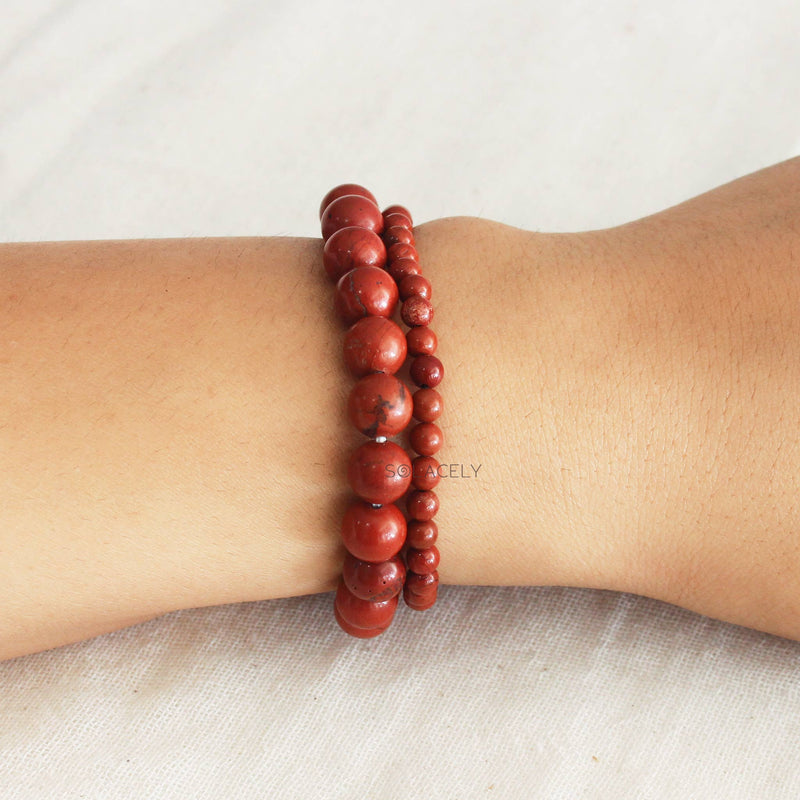
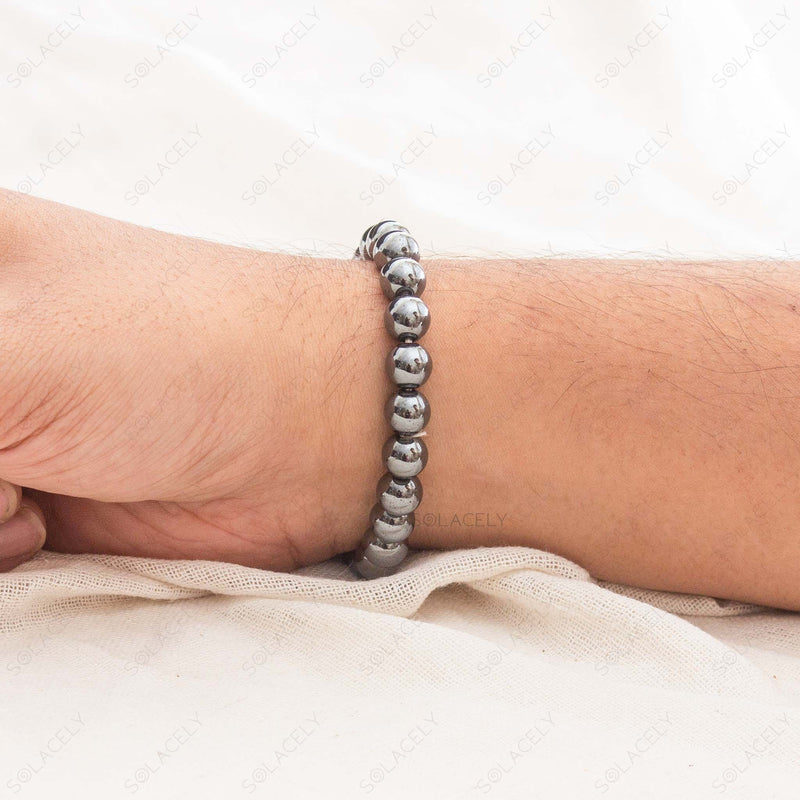
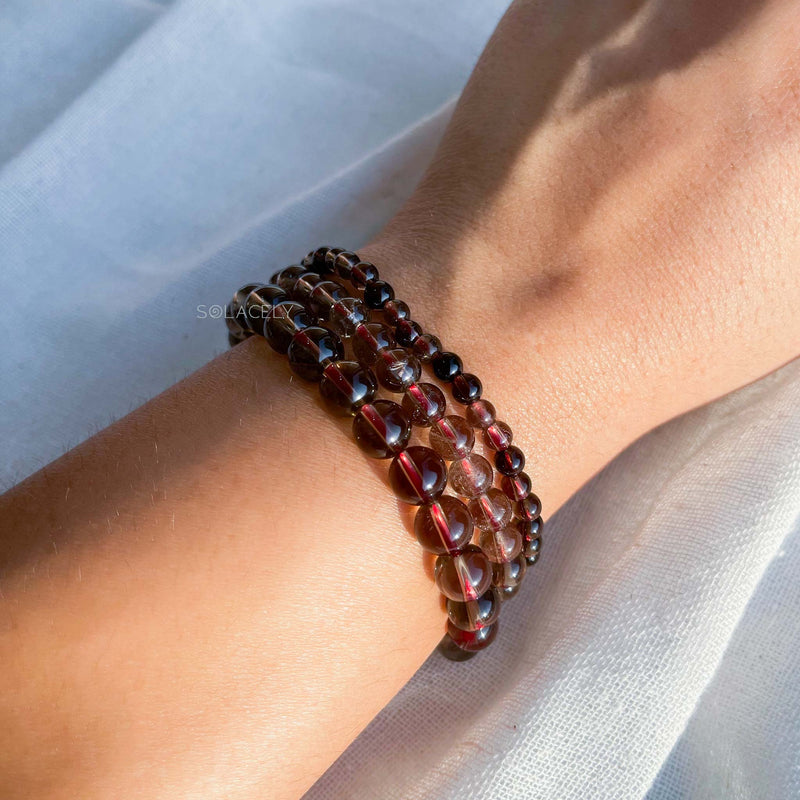
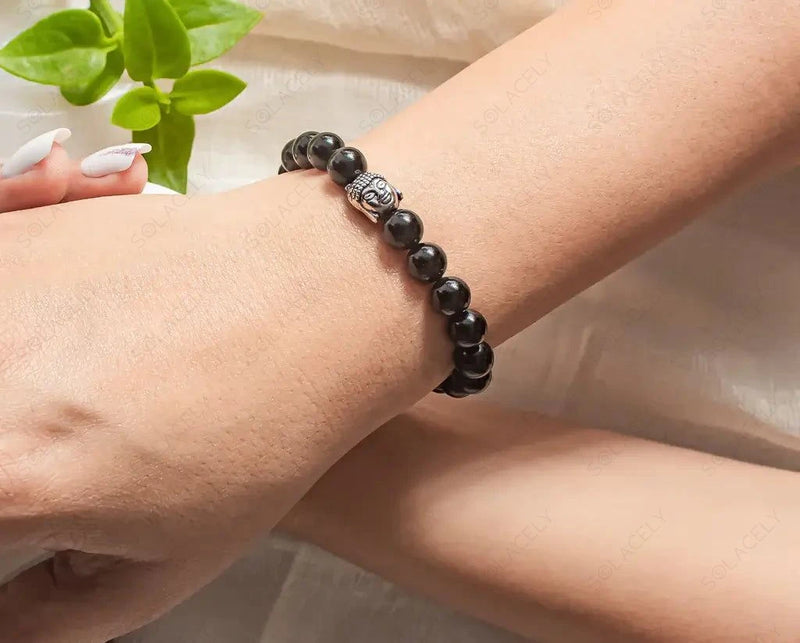
- Stones traditionally paired with Muladhara are red and black grounding crystals: red jasper, black tourmaline, hematite, smoky quartz, and garnet.
- These are traditional and self-care practices, framed as belief, not a medical treatment. For persistent anxiety or pain, see a qualified professional.
How to heal and balance the root chakra (step by step)
Root chakra healing is a set of grounding habits, done daily, that help you feel safe and settled. The most direct routine has six parts: physical grounding, yoga, mantra meditation, affirmations, a grounding crystal, and a root-vegetable diet. None of it needs special equipment, and you can start today with ten minutes.
Here is the core routine, in the order many practitioners follow it:
1. Ground physically. Walk barefoot on grass, soil, or sand for 5-10 minutes. In yogic tradition this reconnects Muladhara to the earth element it is tied to. 2. Hold grounding yoga poses. Mountain (Tadasana), Tree (Vrksasana), Child's Pose (Balasana), and a seated forward fold press the body toward the floor. See our root chakra yoga poses guide for a full sequence. 3. Meditate on 'LAM.' Sit tall, breathe slowly, and chant or silently repeat 'LAM,' the bija (seed) mantra for the root, while picturing a warm red light at the base of your spine. 4. Say root affirmations. Repeat short 'I am' statements: 'I am safe,' 'I am grounded,' 'I have enough.' Keep them present-tense and simple. 5. Hold a grounding stone. Keep red jasper or black tourmaline in your pocket or on your desk as a physical cue to slow down and feel steady. 6. Eat grounding foods. Add root vegetables and protein, warm cooked meals over cold and rushed ones.
Do a few of these each day rather than all six once a week. Consistency, not intensity, is what people report shifts the feeling of restlessness. If you want the diagnostic angle first, our guide on how to unblock the root chakra covers the signs of a block in depth.
What the root chakra (Muladhara) is
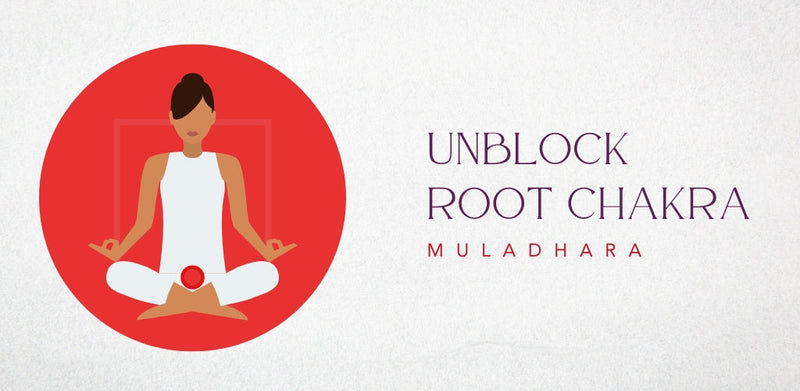
Muladhara, the root chakra, is the first of the seven main chakras, located at the base of the spine. In yogic tradition its name comes from Sanskrit 'mula' (root) and 'adhara' (support), and it is said to govern your sense of safety, survival, and belonging. It is symbolised by a red, four-petalled lotus and the earth element.
Think of it as the foundation of the whole chakra system. When the base feels secure, the tradition holds, the chakras above it (sacral, solar plexus, heart, and upward) have something stable to rest on. This is why so many practitioners start their chakra work here rather than at the crown.
The associations are consistent across most chakra literature: the colour red, the earth element, the sense of smell, and the theme of 'I have.' That link between colour and energy also runs through our aura colour meanings guide, where red carries a similar grounding, vitality reading. For a clear map of how Muladhara fits with the other six centres, read our chakras explained overview. To see the chakra directly above it, our guide on the meaning of the sacral chakra is the natural next step.
Signs of a blocked or imbalanced root chakra
In chakra tradition, a blocked root chakra shows up as a loss of felt safety: persistent anxiety, restlessness, difficulty trusting, and worry about money or basic security. Physically, teachers associate it with lower-back, hip, and leg tension, fatigue, and digestive sluggishness. These are traditional interpretations, useful as a reflective lens, not as diagnosis.
An overactive root is described a little differently. Rather than fear, it reads as rigidity: clinging to routine, resistance to change, over-attachment to security or possessions, and a heaviness or stubbornness. Both under- and over-active states point to the same fix, gentle grounding that restores balance.
| State | How it is described in tradition | Everyday form |
|---|---|---|
| Balanced | Grounded, safe, calm, present | Steady under stress, sleeps well, trusts life |
| Underactive / blocked | Anxious, unsettled, disconnected | Restless, worried about money, fearful of change |
| Overactive | Rigid, heavy, over-attached | Resistant to change, clings to routine and control |
A quick self-check: when you feel unsafe for no clear reason, or you cannot settle even when things are objectively fine, tradition reads that as a root-chakra cue to slow down and ground. Whether or not you believe in the energy model, the response, rest and steadiness, is sound.
Grounding practices to reconnect with the earth
Grounding is the most direct root-chakra practice, and it is simply reconnecting your body with the earth. The classic method is walking barefoot on grass, soil, or sand for a few minutes. Muladhara is tied to the earth element, so tradition treats literal contact with the ground as the fastest way to steady it.
You do not need a garden. A few practical versions work in a city flat or a small home with a terrace:
- Barefoot time: stand or walk on natural ground, even a patch of park grass, for 5-10 minutes.
- Rooting visualisation: sit or stand and picture roots growing from the soles of your feet or the base of your spine down into the earth.
- Gardening or repotting: hands in soil counts, and the slow, physical focus is calming in its own right.
- Sitting on the floor: a cross-legged meal or a floor-based work hour keeps you low and connected.
The point is regular, unhurried contact with something solid and natural. Even five minutes tends to slow the breath and quiet a busy mind. If you often feel scattered by the end of a workday, a short barefoot walk before dinner is an easy anchor to build the habit around.
Root chakra yoga poses for grounding
Grounding yoga poses steady Muladhara by pressing the body's weight down and building a strong, stable base. The most-recommended are Mountain Pose (Tadasana), Tree Pose (Vrksasana), Child's Pose (Balasana), Garland Pose (Malasana), and Bridge (Setu Bandhasana). Hold each with slow breathing and attention on your contact with the floor.
These poses share a theme: they root you. Standing poses teach you to feel your feet; seated and folding poses draw energy downward and calm the nervous system. You do not need to be flexible, only present and steady.
| Pose | Sanskrit | Grounding focus |
|---|---|---|
| Mountain | Tadasana | Feeling both feet firmly on the floor |
| Tree | Vrksasana | Balance, single-point stability |
| Child's Pose | Balasana | Surrender, drawing energy inward and down |
| Garland | Malasana | Deep hip opening, lowering toward earth |
| Bridge | Setu Bandhasana | Rooting through feet, engaging the base |
Move slowly and breathe into the base of your spine. Even a short daily sequence beats a long occasional one. Our dedicated guide to root chakra yoga poses breaks down each posture with how-to detail, and our overview of chakra balancing techniques sets these poses in the wider practice.
Meditation, the LAM mantra, and affirmations
Root chakra meditation centres on the bija (seed) mantra 'LAM' and the colour red. Sit tall, breathe slowly, and either chant 'LAM' aloud or repeat it silently while picturing a warm red light glowing at the base of your spine. Traditionally, this focused attention is said to activate and settle Muladhara. Even five minutes helps.
Affirmations work alongside the mantra. Because the root chakra's theme is safety and 'I have,' root affirmations are short, present-tense statements of security. Repeat them during meditation, on your commute, or in the mirror.
Try these root chakra affirmations:
- 'I am safe and secure.'
- 'I am grounded and steady.'
- 'I have everything I need in this moment.'
- 'I trust myself and I trust life.'
- 'I belong here.'
Keep the phrasing simple and present-tense. The value is less about magic words and more about gently redirecting an anxious mind toward safety and enough-ness. Pair the mantra and affirmations with a few slow breaths and you have a complete two-minute reset you can repeat through the day.
Crystals for root chakra healing: red jasper, black tourmaline & more
The crystals traditionally paired with the root chakra are red and black grounding stones: red jasper, black tourmaline, hematite, smoky quartz, and garnet. In this tradition they are kept for intention and focus, not treatment. Their colours are real mineralogy, red jasper and garnet owe their tone to iron, which is also why red became the root chakra's colour.
According to the Gemological Institute of America, jasper is an opaque variety of chalcedony (a form of quartz), often coloured red by iron oxide inclusions, while garnet is a group of minerals whose deep red forms have been prized since antiquity. That earthy, iron-rich red is exactly why these stones became the match for Muladhara, the colour link is literal, not invented.
| Crystal | Colour | Traditional root-chakra association |
|---|---|---|
| Red Jasper | Brick red | Grounding, endurance, steady energy |
| Black Tourmaline | Black | Protection, absorbing negativity, security |
| Hematite | Metallic grey-black | Stability, strength, focus |
| Smoky Quartz | Smoky brown-grey | Clearing, letting go, calm grounding |
| Garnet | Deep red | Vitality, courage, feeling rooted |
A short way to use them, framed as tradition rather than remedy:
- Carry one in a pocket or bag as a physical reminder to slow down and feel your feet.
- Meditate with it resting at the base of your spine or in your palm while you chant 'LAM.'
- Place it at home near the entrance or your workspace; black tourmaline is the classic protection stone for a doorway.
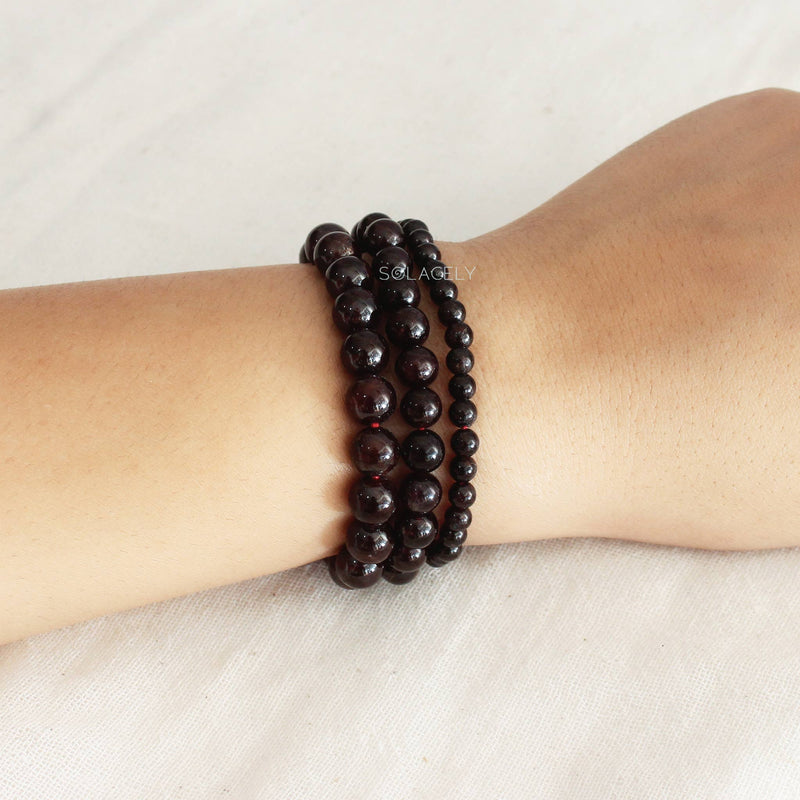
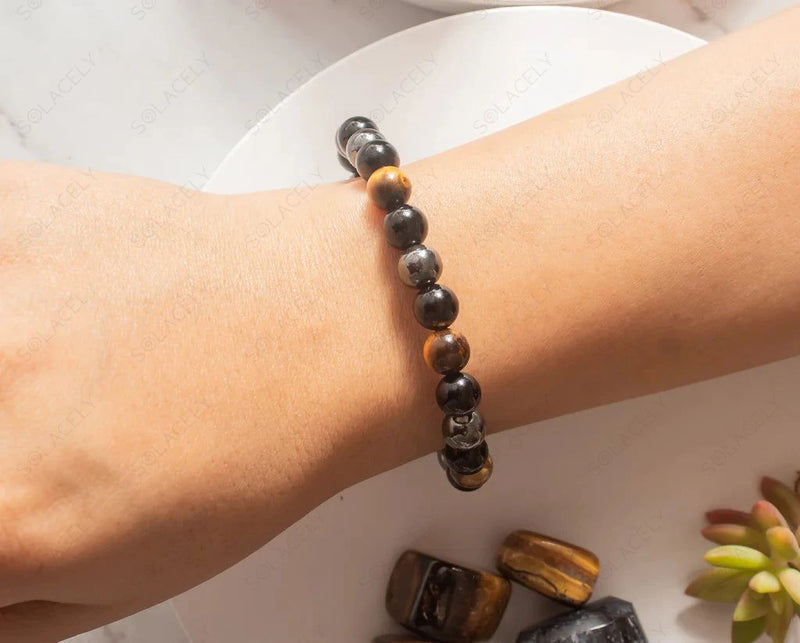
- Wear it as a bracelet, a red-and-black grounding bracelet keeps the stone with you through the day without any extra effort. Many people keep a black tourmaline bracelet close while working with the root chakra.
- Cleanse it simply by wiping with a soft dry cloth and leaving it in indirect light, a traditional ritual, not a technical need.
Choose one or two stones you are drawn to rather than collecting the whole set. Black tourmaline for protection and red jasper for steady grounding is a common, complementary starting pair. If your focus later shifts upward to matters of the heart, our guide to crystals for the heart chakra covers the next stones to reach for.
A grounding diet for the root chakra
In chakra tradition, the root is fed by grounding foods, above all root vegetables that grow in the earth and red foods that match its colour. Think carrots, beetroot, potatoes, sweet potatoes, radishes, turnips, and ginger, plus red foods like tomatoes, pomegranate, apples, and red lentils. Warm, cooked, protein-rich meals are favoured over cold or rushed ones.
The logic is symbolic and sensible at once. Root vegetables literally come from the ground, so they carry the earth association; nutritionally, warm cooked meals and steady protein also genuinely help you feel settled rather than jittery. In an Indian kitchen this is easy: think beetroot sabzi, a warming dal, rajma, or a simple aloo-gajar dish.
| Food group | Examples | Why it fits the root chakra |
|---|---|---|
| Root vegetables | Beetroot, carrot, potato, radish, turnip, ginger | Grow underground, tied to the earth element |
| Red foods | Tomato, pomegranate, apple, red lentil (masoor) | Match the root chakra's red colour |
| Protein | Beans, rajma, chana, paneer, eggs | Grounding, steadying, sustaining |
| Warming spices | Ginger, garlic, turmeric, black pepper | Warmth is read as grounding in tradition |
Read this as gentle, comforting eating rather than a strict diet. A warm, home-cooked meal eaten slowly, without a screen, is the real practice here. Whether or not it moves an energy centre, it steadies the body, and that is the point.
Sources
- Encyclopaedia Britannica, "Chakra," the yogic centres of the subtle body. britannica.com
- Gemological Institute of America, jasper as an opaque variety of chalcedony quartz. gia.edu
- National Center for Complementary and Integrative Health (NIH), "Meditation and Mindfulness: What You Need To Know." nccih.nih.gov
Frequently asked questions
About the author


Written by Chetna Sharma, crystal healing practitioner and co-founder of Solacely. Chetna has worked with healing crystals for over a decade and curates Solacely's protective stone collection.