To unblock the root chakra (Muladhara), release the blockage from the ground up: walk barefoot on earth daily, hold grounding yoga poses, breathe slowly into the belly and pelvic floor, repeat 'I am safe' affirmations, keep a grounding stone like red jasper or black tourmaline nearby, and eat warm, root-based food. Consistency over a few weeks matters more than any single session.
Key Takeaways
- The root chakra (Muladhara) sits at the base of the spine and, in yogic tradition, governs your sense of safety, stability and belonging. It is the first of the seven chakras.
- Signs traditionally read as a blockage include chronic anxiety, restlessness, money fear, feeling ungrounded, and lower-back or leg tension.
- The six most direct unblocking methods: barefoot grounding, grounding yoga, pelvic breathwork, 'I am safe' affirmations, a red or black grounding crystal, and warm root-vegetable meals.
- Stones traditionally paired with Muladhara are red and black: red jasper, black tourmaline and hematite.
- Give a daily 10-to-15-minute routine three to four weeks before judging results. This is a tradition-based wellbeing practice, not a medical treatment.
What 'unblocking' the root chakra means
The root chakra, called Muladhara in Sanskrit, sits at the base of the spine and is the foundation of the seven-chakra system. In yoga tradition it holds your basic sense of security, whether you feel safe, settled and able to meet your needs. To 'unblock' it is to move stuck, contracted energy so this foundation feels steady again.
According to Encyclopaedia Britannica, chakras are centres of psychic energy described in tantric and yogic texts, arranged along the spine and visualised as lotuses. Muladhara is the lowest, tied to the earth element. This is a framework from centuries of Indian contemplative practice, not a claim from modern medicine.
Unblocking is slightly different from ongoing care. Our root chakra healing guide covers the full maintenance routine, while this article focuses on clearing an active blockage. New to the whole system? Start with chakras explained.
Signs your root chakra is blocked
In yoga tradition, a blocked Muladhara shows up as a background hum of unsafety: anxiety you can't quite place, restlessness, money worry, and difficulty trusting that things will be okay. Physically, the tradition maps this centre to the legs, feet and lower back, so tension there is often read as a signal. These are traditional interpretations, not medical diagnoses.
Emotionally, people describe feeling scattered, unable to settle, or as if the floor could give way at any moment. Big life upheavals, a move, job loss, illness in the family, tend to shake this centre first because it is the one built on stability.
There is also an over-active version. Instead of fear, it looks like rigidity: hoarding, resistance to change, or clinging to routine and security to an extreme. Both directions point to the same foundation asking for attention.
| Balanced Muladhara | Under-active (blocked) | Over-active |
|---|---|---|
| Calm sense of safety | Chronic anxiety, fear | Rigidity, resistance to change |
| Financial steadiness | Money worry, scarcity | Hoarding, greed |
| Grounded and present | Restless, scattered | Stubborn, stuck |
| Trusts the process | Feels unsafe, insecure | Overly attached to routine |
Method 1: Grounding on the earth
Grounding is the most direct way to unblock Muladhara because the chakra is tied to the earth element itself. The simplest practice is to stand or walk barefoot on natural ground, grass, soil, sand, or stone, for five to ten minutes. The tradition reads this as reconnecting the base of the body to the earth's steadiness.
You don't need a forest. A patch of garden, a park lawn, or a terrace with a few minutes of morning sun works. In many Indian homes this fits neatly with an existing routine: watering plants barefoot, or a short walk before the day gets loud.
Beyond tradition, time spent outdoors and in gentle movement is widely associated with lower stress. Try pairing barefoot contact with slow breathing. Feel the ground press back against your feet, and let your weight sink into it. That physical sense of support is exactly what a blocked root is missing.
Method 2: Grounding yoga poses
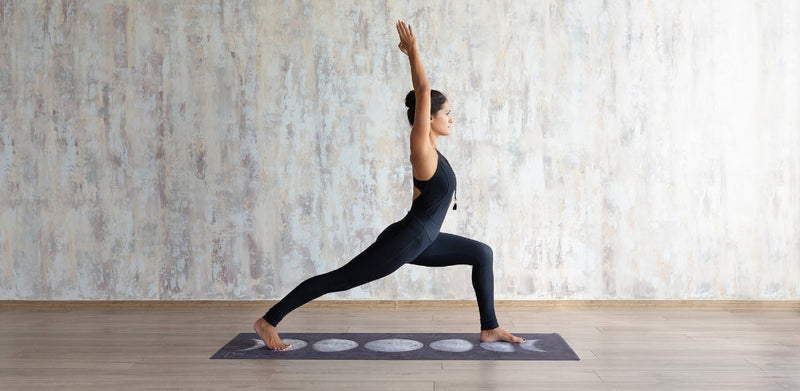
Yoga is a favoured route because grounding poses press the body toward the floor, engaging the legs, feet and pelvis the root chakra is mapped to. Postures that root you down, standing and seated, create the felt sense of stability that unblocking is after. Aim for ten minutes, most days.
The National Center for Complementary and Integrative Health notes that yoga can help reduce stress and support wellbeing when practised regularly, which is part of why a steady mat habit helps you feel more settled.
Poses traditionally used for the root:
- Mountain pose (Tadasana) — the foundation, feet rooted, spine tall.
- Tree pose (Vrksasana) — balance built on one grounded leg.
- Child's pose (Balasana) — forehead and knees to the floor, deeply settling.
- Standing forward fold (Uttanasana) — releases the lower back and legs.
- Garland pose (Malasana) — a deep squat that opens the pelvic floor.
For a full sequence with alignment cues, see our dedicated root chakra yoga poses guide. Hold each pose for a few slow breaths and notice where you feel contact with the ground.
Method 3: Breathwork into the base
Breath is how yoga tradition moves energy through a blocked centre. For Muladhara, the focus is low and slow: breathing deep into the belly and gently toward the pelvic floor, rather than shallow chest breathing that keeps you in a state of alert. A few focused minutes can shift you from anxious to anchored.
Try this simple grounding sequence:
1. Sit tall or lie down, one hand on your lower belly. 2. Inhale slowly through the nose for a count of four, letting the belly and lower back expand. 3. Pause gently for two counts. 4. Exhale for six, imagining your breath sinking down through the base of the spine into the earth. 5. Repeat for three to five minutes.
Slow, extended exhales are the key. They signal the body to relax out of fight-or-flight, which the tradition reads as the fear that blocks the root. Breathwork is also central to our wider chakra balancing techniques if you want a routine covering all seven centres.
Method 4: Root chakra affirmations
Affirmations work on the psychological side of Muladhara, the 'I am safe' feeling at its core. Spoken with attention, present-tense statements about safety and belonging are used in this tradition to steady an inner voice that leans toward fear. Say them aloud, ideally in the morning before the day's noise arrives.
Try these, morning and evening:
- 'I am safe, grounded and supported.'
- 'I have everything I need in this moment.'
- 'I trust myself, and I trust the process of life.'
- 'I belong. I am at home in my body.'
- 'I release fear and choose stability.'
Repeat each a few times, slowly, and let the meaning land rather than rushing. Affirmations stick best when tied to an existing habit, so pair them with your barefoot walk or your yoga cooldown. If this practice resonates, the same approach moves up the body, our guide to the sacral chakra extends it to creativity and emotion.
Method 5: Crystals for the root chakra
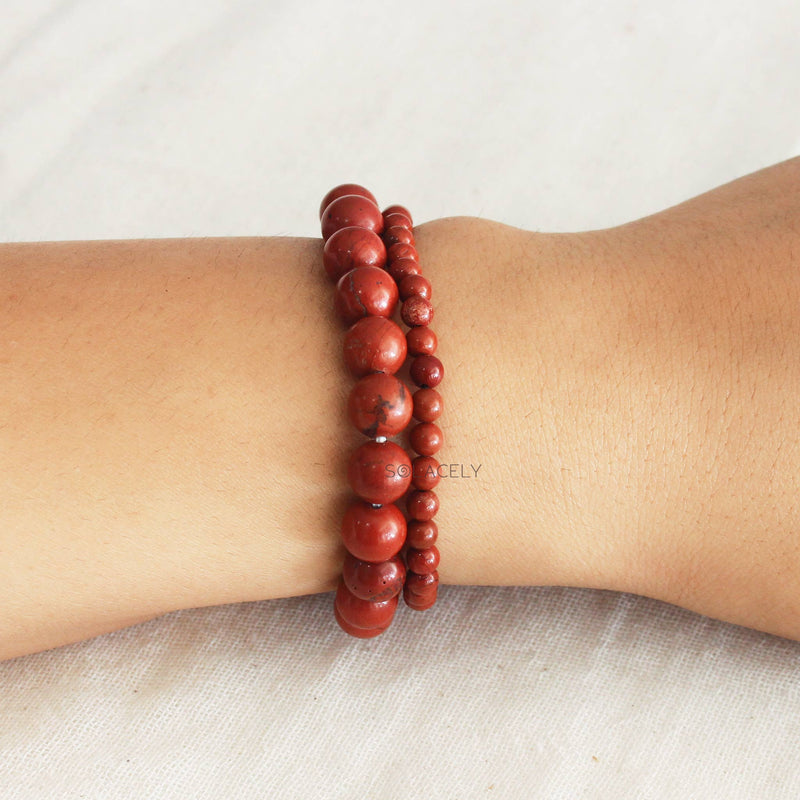
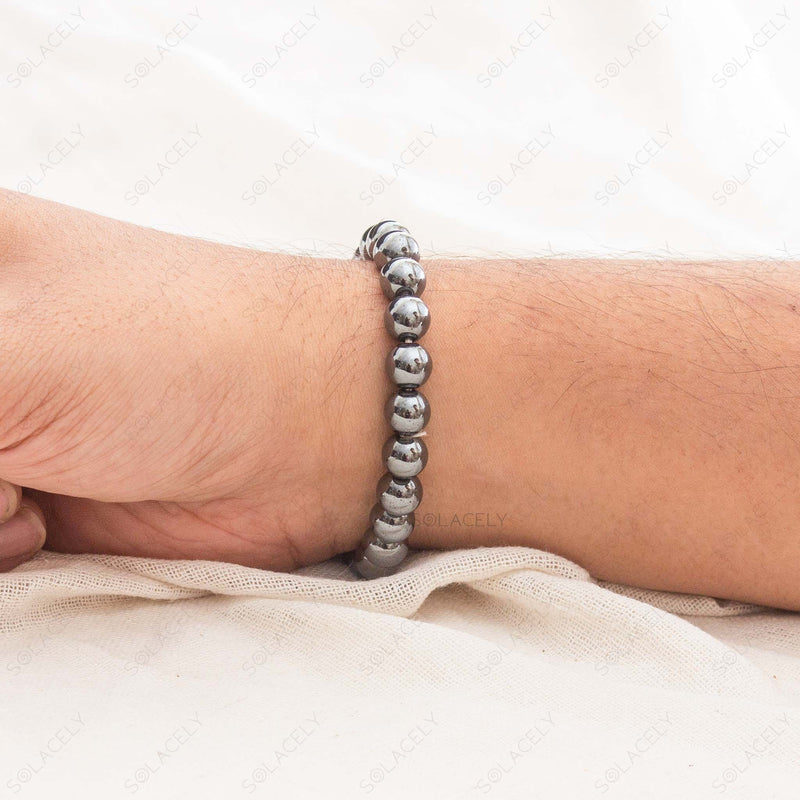
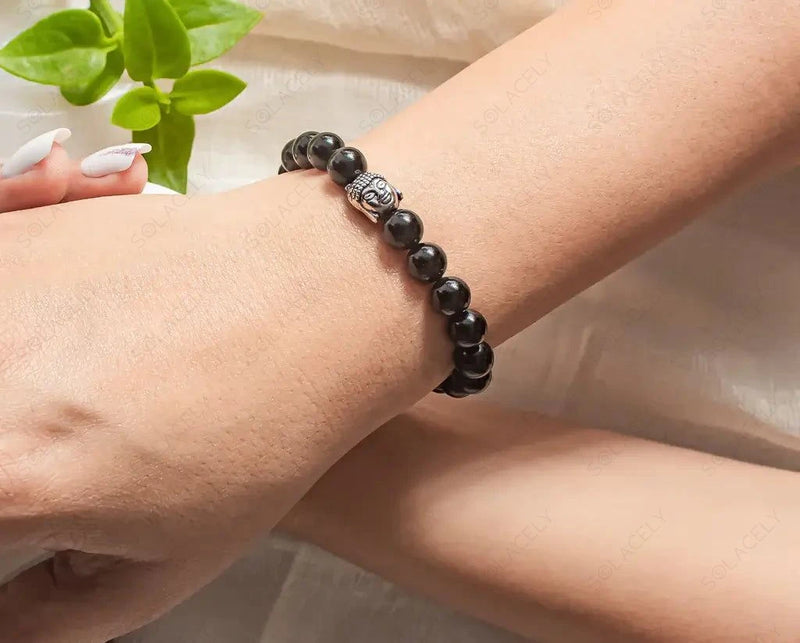
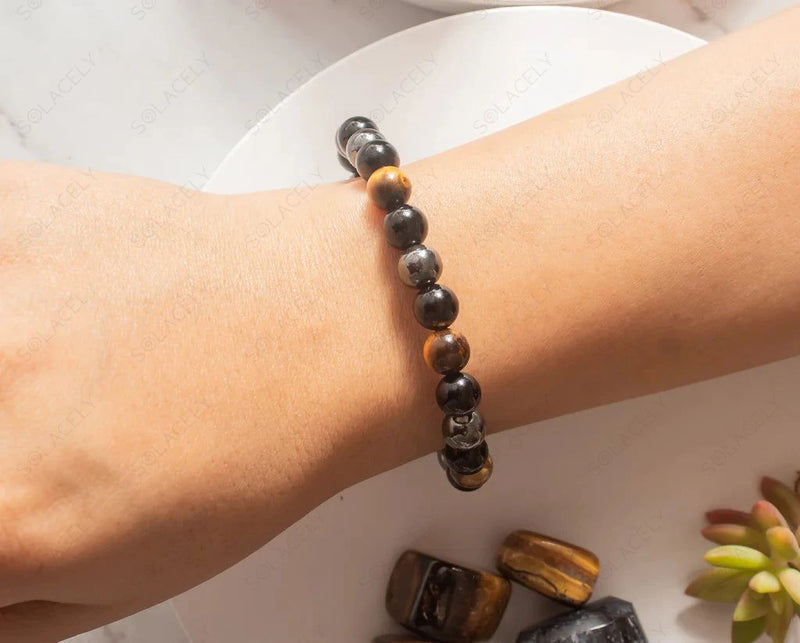
Red and black stones are traditionally chosen for Muladhara because their colour and heavy, earthy quality match the chakra's grounding nature. Red jasper, black tourmaline and hematite are the classic picks, held during meditation or carried through the day as a reminder of stability. This is a belief-based practice, not a proven remedy.
| Stone | Traditional association | How to use |
|---|---|---|
| Red jasper | Strength, endurance, grounding | Hold in the palm during meditation |
| Black tourmaline | Protection, releasing fear | Pocket stone, or by the front door |
| Hematite | Stability, focus, feeling anchored | Worn as a bracelet through the day |
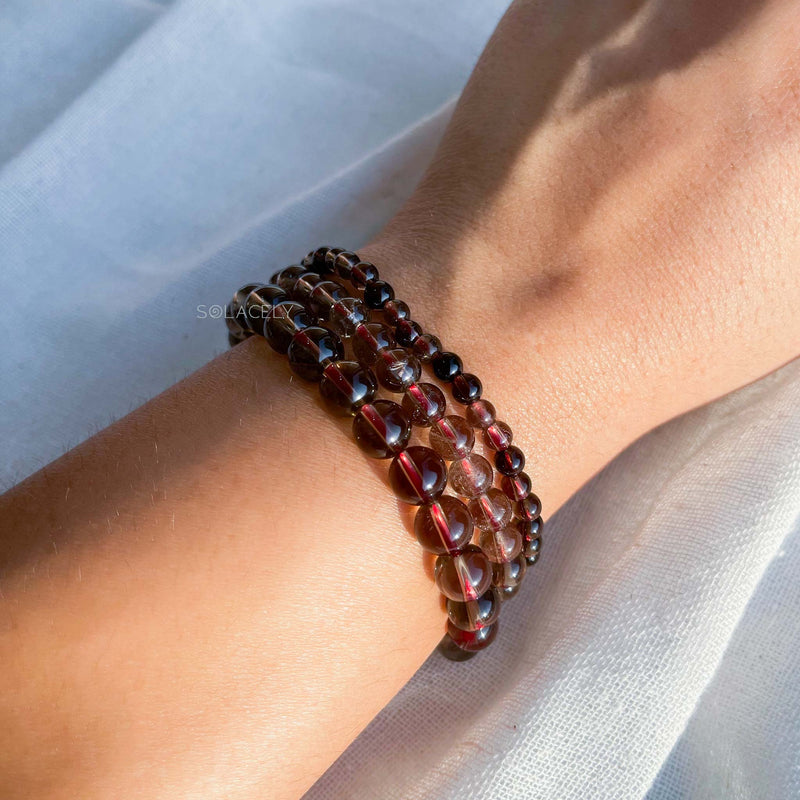
| Smoky quartz | Calm, letting go of stress | Placed at the base of the spine while resting |
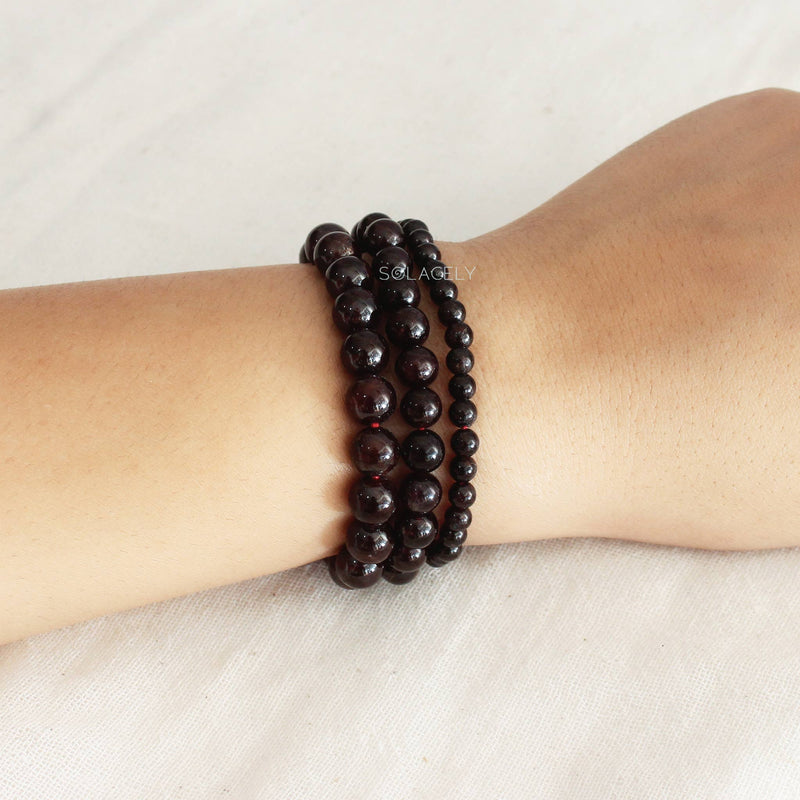
| Garnet | Vitality, courage, security | Meditation or worn daily |
To use a stone, sit quietly, place it at the base of the spine or between your feet, or simply hold it, and breathe while repeating a root affirmation. Cleanse it now and then under running water or in morning light. One well-chosen stone is plenty to begin.
Method 6: Grounding diet and daily rhythm
Because Muladhara is tied to the earth, tradition connects it to grounding food: root vegetables, warm cooked meals, and protein that leaves you feeling substantial rather than scattered. Red foods, which match the chakra's colour, are often included too. Alongside food, a steady daily rhythm is itself grounding.
Foods commonly associated with the root include potatoes, carrots, beetroot, radish, sweet potato, ginger and garlic, along with dals, whole grains and protein. A warm, unhurried meal, sitting down rather than eating on the move, is read as feeding stability. Beetroot and tomatoes bring the red colour naturally.
Just as important is routine itself. Regular sleep, regular meals, and a predictable start to the day give the nervous system the safety a blocked root craves. This is general wellbeing guidance, not clinical nutrition advice, so speak to a doctor about any specific dietary concern. If you want to see how energy states relate more broadly, our aura color meanings guide is a gentle next read.
Putting it together: a 15-minute daily routine
The methods work best stacked into a short, repeatable routine rather than done once in a burst. Ten to fifteen minutes a day, most days, is enough to start unblocking. Give any chakra practice three to four weeks before you judge whether it is helping you feel steadier.
Here is a simple template:
1. Morning (6 min): Step barefoot onto earth or a terrace, take ten slow grounding breaths, say two 'I am safe' affirmations. 2. Midday (2 min): Hold your red jasper or hematite, feel your feet flat on the floor, and reset. 3. Evening (7 min): A short grounding yoga sequence, Mountain, Tree, Child's pose, then close with breathwork.
Track how you feel in a line or two each night. Small shifts, sleeping better, worrying less about money, feeling present in a busy day, are the real markers. Once the root feels steady, the natural next step up the body is the solar plexus chakra, which governs confidence. Struggling to stay consistent? Start with just the morning six minutes.
Sources
Frequently asked questions
About the author


Written by Chetna Sharma, crystal healing practitioner and co-founder of Solacely. Chetna has worked with healing crystals for over a decade and curates Solacely's protective stone collection.