To unblock the solar plexus chakra (Manipura), work the belly and core directly: practice twisting and core-strengthening yoga, do steady belly breathwork, spend a few minutes in morning sunlight, repeat confidence affirmations, and keep citrine or yellow tiger's eye nearby. Consistency over weeks matters more than any single session.
Key Takeaways
- The solar plexus chakra (Manipura) sits above the navel and is traditionally linked to confidence, willpower and personal power.
- The most direct methods are core-and-twist yoga, diaphragmatic breathwork, morning sunlight, 'I am capable' affirmations, and yellow stones like citrine and tiger's eye.
- Signs of imbalance are described in yoga tradition as low self-esteem, indecision, people-pleasing, or the opposite, a need to control.
- A simple daily routine takes 10 to 15 minutes; give it 3 to 4 weeks before judging results.
- This is a wellbeing and tradition-based practice, not a medical treatment.
What the solar plexus chakra is
The solar plexus chakra, called Manipura in Sanskrit, is the third of the seven chakras and sits in the upper abdomen, just above the navel. In yoga tradition it governs confidence, willpower, digestion of experience, and your sense of 'I can.' Its element is fire and its colour is yellow.
According to Encyclopaedia Britannica, chakras are centres of psychic energy described in tantric and yogic texts, arranged along the spine and visualised as lotuses. Manipura, the 'city of jewels,' is placed at the navel region. This framework comes from centuries of Indian contemplative tradition, not from modern medicine.
When this centre feels steady, decisions come more easily and you hold your ground without needing to dominate. If you're new to the system, our guide to chakras explained maps how all seven relate. The solar plexus sits between the sacral chakra below and the heart above, so its balance is often shaped by the two around it.
Signs your solar plexus feels blocked
In yoga tradition, a blocked Manipura shows up as low self-worth, chronic indecision, people-pleasing, and a shrinking feeling in situations that ask you to assert yourself. An over-active version swings the other way: control, stubbornness, or quick anger. These are traditional interpretations, not diagnostic categories.
Emotionally, people describe second-guessing every choice, struggling to say no, or feeling powerless over their own routine. Physically, the tradition associates this centre with the digestive fire, so sluggish digestion or a 'knot in the stomach' before stressful events is often read as a signal.
Here's a quick way to self-check. Do you defer to others even when you disagree? Do you avoid starting things you actually want to do? A 'yes' doesn't mean anything is wrong with you medically. It simply points to where confidence-building practice might help.
| Balanced Manipura | Under-active | Over-active |
|---|---|---|
| Clear, calm decisions | Indecision, self-doubt | Controlling, rigid |
| Healthy boundaries | People-pleasing | Domineering |
| Steady motivation | Procrastination, low drive | Workaholic, burnout |
| Confidence without ego | Fear of judgement | Quick to anger |
Method 1: Core and twist yoga poses
Yoga is the most direct physical route to Manipura because the poses engage the exact belly and core region the chakra is mapped to. Twists, forward-folds with core control, and abdominal-strengthening postures create heat and focus in the upper abdomen. Aim for 10 minutes, most days.
The National Center for Complementary and Integrative Health notes that yoga can help reduce stress and support wellbeing when practised regularly, which is part of why a steady mat routine helps you feel more settled and self-assured over time.
Poses traditionally used for the solar plexus:
- Boat pose (Navasana) — builds core fire and focus.
- Bow pose (Dhanurasana) — opens and strengthens the belly.
- Seated spinal twist (Ardha Matsyendrasana) — the classic Manipura twist.
- Warrior III (Virabhadrasana III) — balance plus core steadiness.
- Sun salutations (Surya Namaskar) — fire, breath and rhythm together.
If you're building a full-body practice, our root chakra yoga poses pair well as a grounding warm-up before you move to core work. Start gently. A twist should feel like a wringing-out, never a strain.
Method 2: Breathwork that stokes the fire
Breath is how yoga tradition 'feeds' the fire element of Manipura. Slow, deep belly breathing, and the heating breath Kapalabhati, both draw attention and movement into the upper abdomen. A few focused minutes can shift you from scattered to centred.
Try this simple diaphragmatic sequence:
1. Sit tall, one hand on your belly just above the navel. 2. Inhale slowly through the nose for a count of four, feeling the belly rise. 3. Hold gently for two. 4. Exhale for six, drawing the navel back toward the spine. 5. Repeat for 3 to 5 minutes.
For an energising option, Kapalabhati uses short, sharp exhales driven by the belly. Keep it light if you're new, and skip it if you're pregnant or managing high blood pressure. Breathwork is also central to our wider chakra balancing techniques if you want a routine that covers all seven centres.
Method 3: Sunlight and the colour yellow
Manipura's element is fire and its colour is yellow, so the tradition links it naturally to sunlight. A few minutes of gentle morning sun, before it turns harsh, is a simple daily ritual many practitioners use to 'charge' this centre and lift their mood.
You don't need long. Ten to fifteen minutes of early light, ideally on the belly and chest if you can, is the common recommendation. In Indian homes this pairs easily with an existing morning routine, whether that's chai on the balcony or a short walk before the day gets busy.
Surrounding yourself with yellow reinforces the association: a yellow cushion on your meditation seat, marigold flowers, or simply noticing the colour as you practise. It's a small, sensory anchor. Protect your eyes and skin, and treat strong midday sun with the usual care.
Method 4: Confidence affirmations
Affirmations work on the psychological side of Manipura, the 'I am capable' feeling at its heart. Spoken with attention, present-tense statements about self-worth and agency are used in this tradition to retrain an inner voice that leans toward doubt. Say them aloud, ideally in the mirror.
Try these, morning and evening:
- 'I am confident, capable and worthy.'
- 'I trust my decisions and my judgement.'
- 'I have the power to shape my day.'
- 'I honour my own needs and boundaries.'
- 'I let go of the fear of what others think.'
Repeat each a few times, slowly, and let the meaning land rather than rushing. Affirmations tend to stick best when tied to an existing habit, so pair them with your morning sunlight or your yoga cooldown. If this practice resonates, our heart chakra affirmations extend the same approach to self-love and relationships.
Method 5: Crystals for the solar plexus
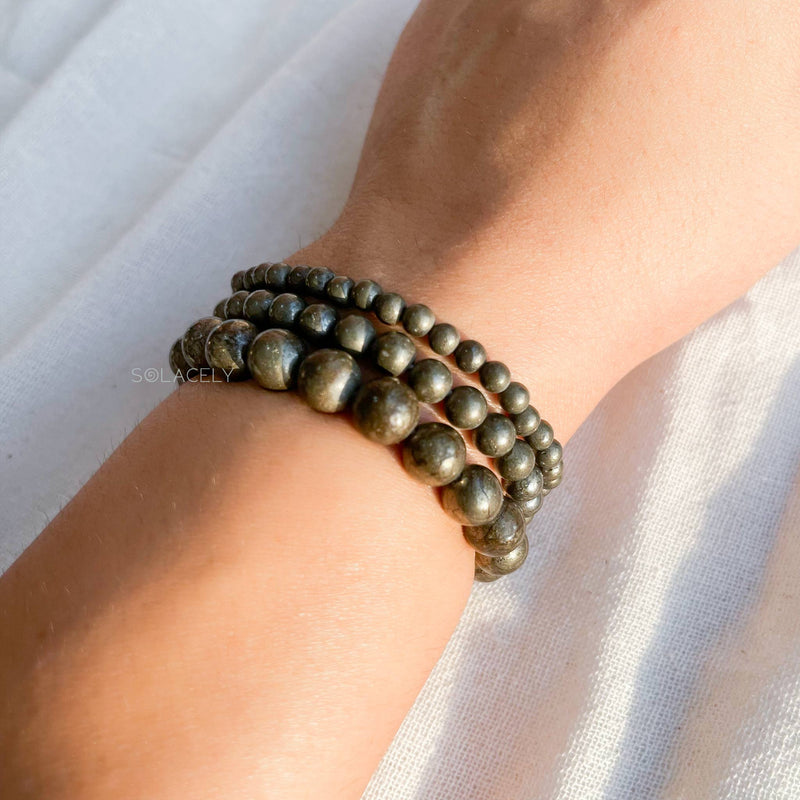
Yellow and golden stones are traditionally chosen for Manipura because their colour matches the chakra's own. Citrine, yellow tiger's eye, yellow jasper and pyrite are the common choices, used to hold intention during meditation or carried as a daily reminder of confidence. This is a belief-based practice, not a proven remedy.
| Stone | Traditional association | How to use |
|---|---|---|
| Citrine | Abundance, optimism, confidence | Meditation, desk, or worn daily |
| Yellow tiger's eye | Courage, willpower, focus | Pocket stone, bracelet |
| Yellow jasper | Steadiness, endurance | Placed on the belly while resting |
| Pyrite | Willpower, drive, protection | Workspace, decision-making |
To use a stone, sit quietly, place it over your upper abdomen or hold it in your palm, and breathe while repeating a confidence affirmation. Cleanse it now and then under running water or in morning light. One well-chosen stone is plenty to begin.
Method 6: Diet and the digestive fire
Because Manipura is tied to the digestive fire, or agni in Ayurveda, tradition connects it to warming, easy-to-digest food and the colour yellow on the plate. Think unhurried meals, warm spices, and yellow foods, alongside the gentle discipline of eating with attention rather than distraction.
Foods commonly associated with this centre include turmeric, ginger, bananas, corn, dals, whole grains like oats and brown rice, and warming spices such as cumin and fennel. Golden turmeric milk is a familiar Indian example that fits neatly.
Just as important is how you eat. Sitting down, chewing slowly, and not scrolling through your phone all support steady digestion, which the tradition reads as a strong Manipura. This is general wellbeing guidance, not clinical nutrition advice, so speak to a doctor about any specific dietary concern.
Method 7: Build a daily routine
The methods work best stacked into a short, repeatable routine rather than done once in a burst. Ten to fifteen minutes a day, most days, is enough to start. Give any chakra practice three to four weeks before you judge whether it's helping you feel steadier.
Here's a simple template:
1. Morning (5 min): Step into early sunlight, take ten slow belly breaths, say two confidence affirmations. 2. Midday (2 min): Hold your citrine or tiger's eye, reset one boundary you've been avoiding. 3. Evening (8 min): A short core-and-twist yoga sequence, then close with breathwork.
Track how you feel in a line or two each night. Small shifts, saying no more easily, starting a task you'd postponed, are the real markers. If you want to work upward through the system next, the third eye chakra is the natural progression, while the root chakra below keeps you grounded. Struggling to stay consistent? Start with just the morning five minutes.
Sources
Frequently asked questions
About the author


Written by Chetna Sharma, crystal healing practitioner and co-founder of Solacely. Chetna has worked with healing crystals for over a decade and curates Solacely's protective stone collection.