Diwali corporate gifting is the practice of giving festive gifts to employees, business partners and clients during Diwali, planned by recipient group rather than as one flat purchase. A good plan sets one tier per group, then picks gifts that feel considered rather than promotional. Sorting the list before you shop is what keeps a large festive run calm.
Key Takeaways
- Split your list into three groups first: employees, partners and clients. Each needs a different tier and a different tone.
- Employees suit an entry tier priced for volume, partners and vendors a mid tier, key clients a premium tier with a personal touch.
- Crystal decor and hampers both work; crystals last on a desk long after the mithai is gone.
- Order three to four weeks ahead. Courier and personalisation lead times stretch sharply in the Diwali rush.
- Employee gifts carry a perquisite threshold and input tax credit on gifts is generally blocked under GST. Confirm current figures with a chartered accountant.
What counts as a Diwali corporate gift?
A Diwali corporate gift is any festive present a company gives on behalf of the business, whether to its own staff or to external partners and clients. It differs from a personal gift in one way: it carries the brand's judgement. Taste, budget fit and timing all reflect on the company.
Diwali is the largest corporate gifting season of the year by a wide margin. Most organisations run their annual gifting cycle in the weeks before the festival, which means courier networks, printers and hamper packers all hit peak load at once. Planning early is the single biggest lever you have.
The category is broad. It runs from a box of dry fruits for the wider team to a hand-picked crystal piece for a decade-old client. What ties it together is intention: the gift should say the relationship is valued, without turning into a billboard. A quiet, well-made object usually lands better than a loud, logo-covered one.
This guide is the broad plan across all three groups. If you only need client picks by tier, our dedicated Diwali gifts for corporate clients post goes deeper on that one group.
Map your list: employees, partners and clients
Before you shop, split your recipient list into three groups: employees, business partners or vendors, and clients. Each group has a different tier, a different tone and a different tax treatment. Sorting the list first stops you from over-spending on one group and under-serving another.
Employees are the largest group and the most emotionally direct. A Diwali gift here is a thank-you for the year's work, so consistency matters more than luxury. Everyone at a level should get the same thing. For a deeper look at this group, see our guide to corporate gifts for employees.
Partners and vendors sit in the middle. These are the suppliers, agencies and collaborators who keep your business running. A mid-tier gift signals a healthy, ongoing relationship without implying a sales motive.
Clients are the most sensitive group. The gift is client-facing, so it must read as considered rather than promotional. Key accounts justify a higher tier and a more personal choice. Scale the gift to the account's value, and keep any branding subtle.
| Group | Tier | Tone | Personalisation |
|---|---|---|---|
| Employees | Entry, priced for volume | Warm, uniform | Company card, same gift per level |
| Partners and vendors | Mid | Cordial, professional | Small note, light branding |
| Key clients | Premium | Considered, personal | Handwritten card, no loud logo |
Setting a Diwali gifting budget
Set your Diwali budget per group, not per person, then divide. Fix the tiers first, count heads in each, and the total falls out on its own. Working the other way round, picking objects and totting them up, is how festive gifting quietly overruns.
Volume is where the maths shifts. Employee gifting is a bulk exercise, so per-unit cost drives the whole number, and a small swing per gift becomes a large swing across a few hundred people. Many crystal and decor suppliers offer bulk pricing above a threshold, so ask before you assume the retail price.
Client and partner gifting is the opposite. Volumes are low, so you can spend more per piece and still keep the total modest. This is where a single elevated object earns its place. Our high-end corporate gifts guide covers the executive tier in detail.
One planning tip: hold back a small contingency, roughly a tenth of the budget, for last-minute additions. New clients, a forgotten vendor or a senior hire always appear in the final week.
Hampers compared with crystal gifts
Both hampers and crystal decor work for Diwali, but they solve different problems. Hampers feel generous and festive, and they suit large employee lists. Crystal pieces last: a pyrite tree or an amethyst cluster sits on a desk long after the mithai is finished, keeping the relationship visible year-round.
Hampers are the safe default for volume. A well-built hamper mixes dry fruits, a candle or diya, and one small keepsake. They photograph well, they suit almost everyone, and they scale cleanly to hundreds of units. The trade-off is that they are consumed and forgotten within weeks.
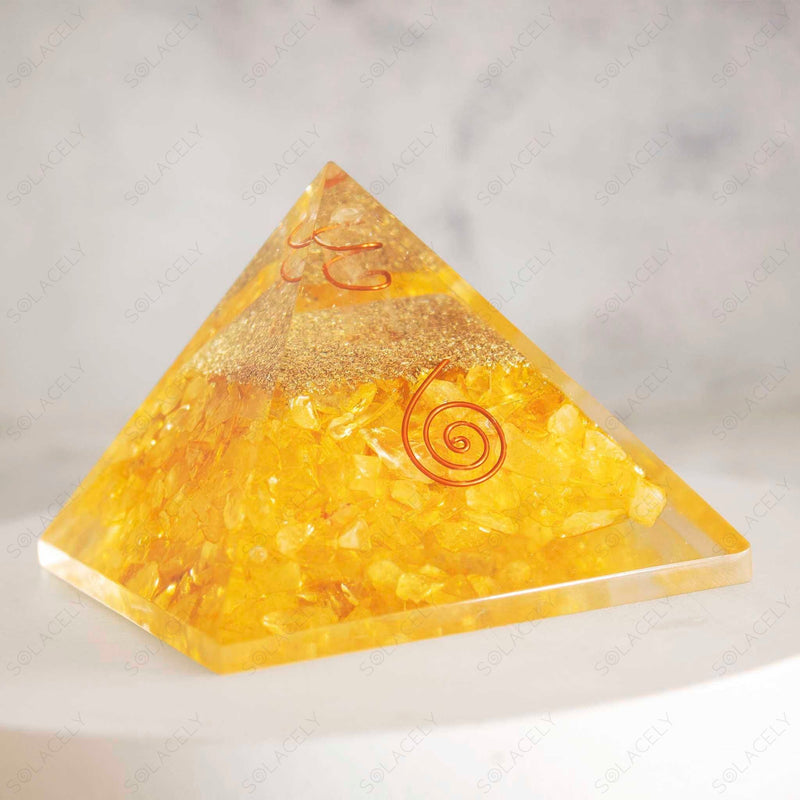
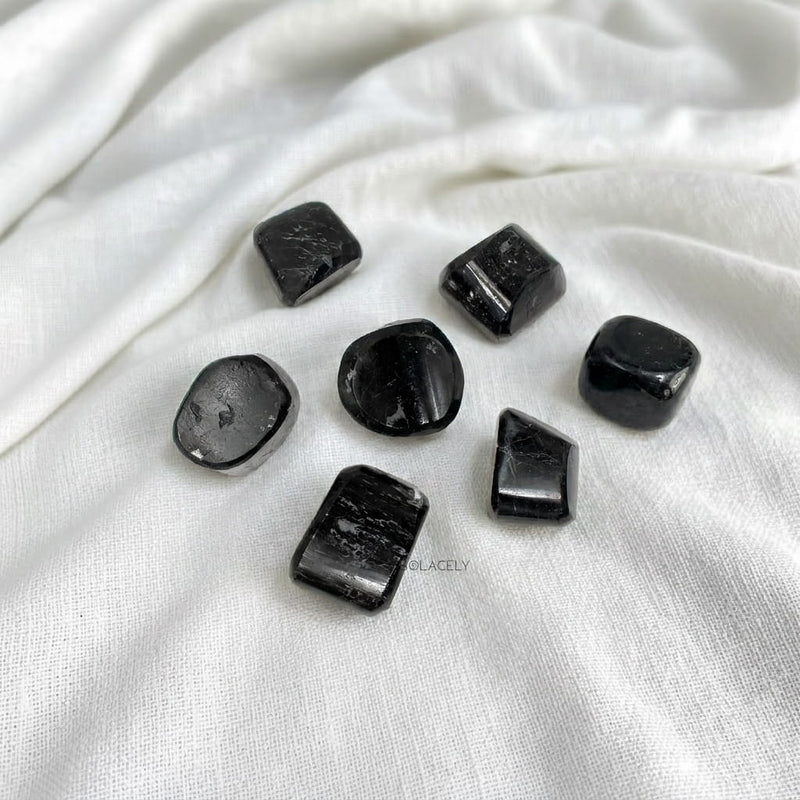
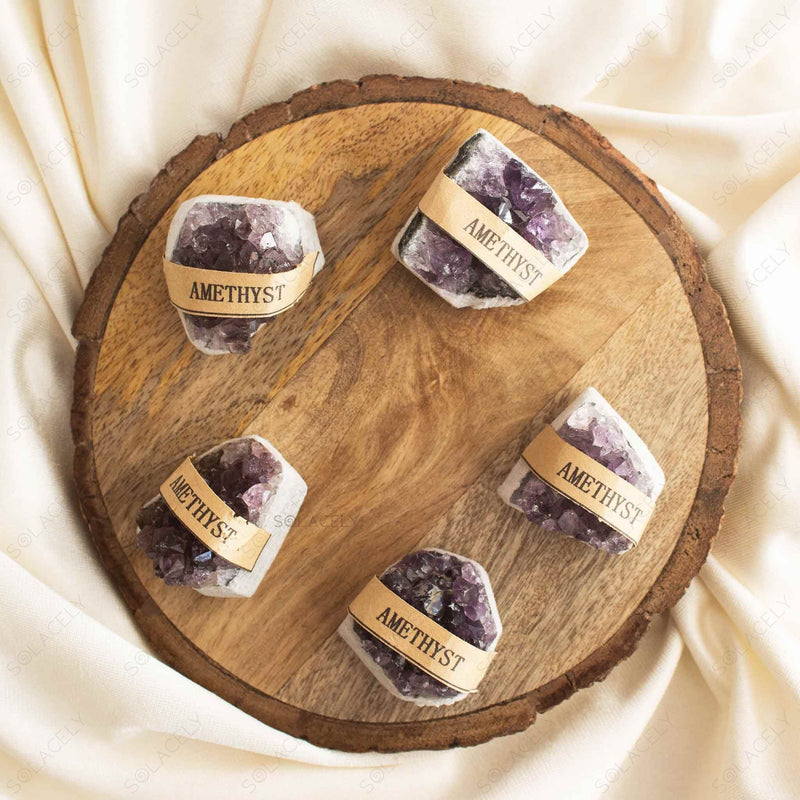
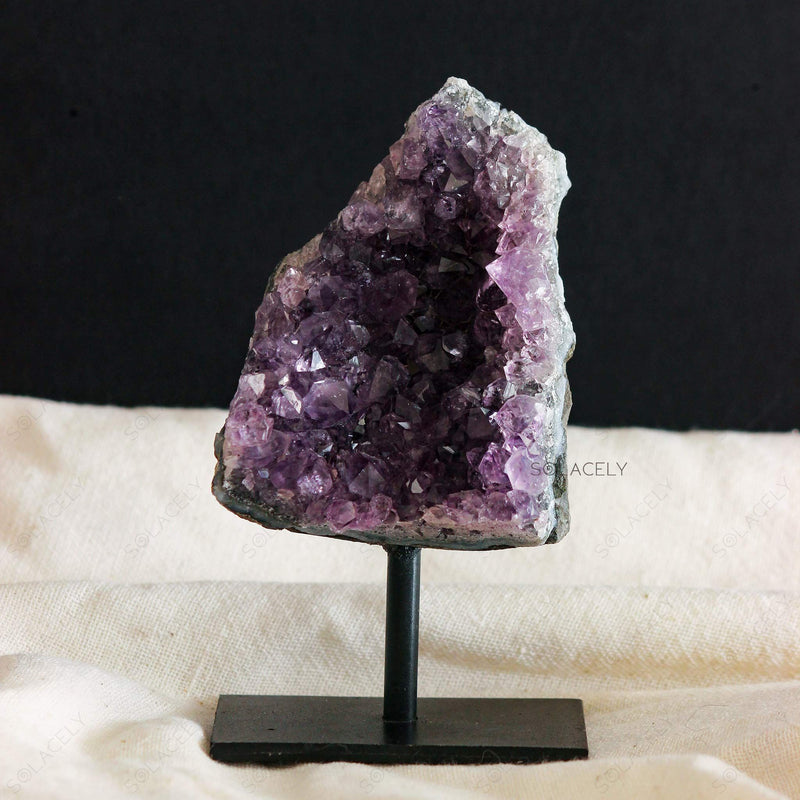
Crystal gifts trade some festivity for longevity. Certain stones carry intention: pyrite for wealth and confidence, citrine for abundance, black tourmaline for protection, amethyst for calm. A small crystal tree or an orgone pyramid works as a desk object that quietly signals the sentiment behind the gift. For premium single pieces, see our luxury crystal product gifts guide.
The strongest option is often a blend: a compact hamper for the wider team, and a standout crystal piece for partners and key clients. That way volume stays affordable while your most important relationships get something with staying power.
One practical note on hampers: check that everything inside travels well and has a comfortable shelf life. Edible items should clear Diwali by a wide margin, and anything fragile needs proper packing for courier handling. A hamper that arrives cracked or stale undoes the goodwill you meant to build.
Crystal gift ideas by recipient
Crystals scale neatly across all three groups because they come in a wide range of sizes without losing their considered feel. A small tumbled-stone set suits a large team; a statement cluster or a large crystal tree suits a key client. The intention stays consistent even as the tier moves.
For employees on the entry tier, keep it simple and uniform. A small citrine or pyrite piece, a crystal tumble set, or a compact desk pyramid lands well. The goal is a shared, warm gesture, not individual luxury.
For partners and vendors, a mid-tier crystal tree or a boxed intention set reads as professional and generous. These pieces look considered on a shelf and carry a clear message of goodwill.
For key clients, spend on a single elevated object. A large amethyst cluster, a premium crystal tree, or a curated wellness set makes the point without a word of sales copy.
- Employees: citrine or pyrite tumble set, small desk pyramid, mini crystal tree.
- Partners: mid-size crystal tree, boxed intention set, orgone pyramid with a card.
- Key clients: large amethyst cluster, premium crystal tree, curated wellness hamper.
Bulk logistics and personalisation
Diwali corporate gifting is a logistics exercise as much as a shopping one. Order three to four weeks before the festival. Courier networks, printers and packers all peak in the final fortnight, and lead times that are two days in a quiet month can stretch to a week or more.
Confirm three things with your supplier early: bulk availability at your quantity, the personalisation lead time, and the delivery cut-off for each city. Personalisation, whether a printed card, a branded box or an engraved tag, adds days that people routinely forget to budget for.
Keep branding light. On employee and client gifts alike, a small card or a subtly branded box works far better than a logo stamped across the object itself. The object should feel like a gift, not merchandise. For clients especially, a handwritten line beats any printed slogan.
If the calendar has already slipped, do not panic-buy. Our Diwali last-minute gifting ideas guide covers pieces that ship fast and still feel considered. And for the wider etiquette of who gets what and when, our corporate gifting tips piece is a useful checklist.
Tax and compliance notes for business gifts
Corporate gifts carry tax implications worth flagging before you commit a large budget. Two rules matter most: the perquisite treatment of employee gifts under the Income Tax Rules, and the input tax credit position under GST. Neither is a reason to avoid gifting; both are a reason to plan with your accountant.
Under the Income Tax Rules, gifts given by an employer to an employee are exempt as a perquisite up to an aggregate threshold in a financial year, with value above that taxable in the employee's hands. This is why many companies deliberately keep per-head employee gifting under that line. The threshold is set by rule and can change, so take the current figure from your accountant rather than from a gifting guide.
On the GST side, business gifts are generally not eligible for input tax credit under Section 17(5) of the CGST Act. Separately, gifts above a prescribed value to a single employee in a financial year can be treated as a supply. Client and partner gifts have their own treatment, which depends on how they are booked.
These are general points, not tailored advice, and interpretations change from year to year. Confirm your specific position with a chartered accountant before finalising a large Diwali gifting spend, and keep invoices with recipient lists so the paperwork is straightforward at year end.
Sources
- Income Tax India, Income Tax Rules and perquisite valuation. incometaxindia.gov.in
- CBIC-GST, Central Goods and Services Tax Act, Section 17(5). cbic-gst.gov.in
Frequently asked questions
About the author


Written by Chetna Sharma, crystal healing practitioner and co-founder of Solacely. Chetna has worked with healing crystals for over a decade and curates Solacely's protective stone collection.