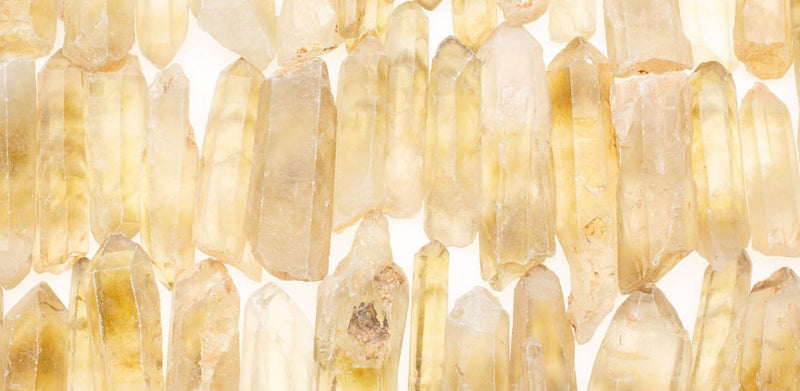
Amethyst, Sodalite & Citrine: The Three-Stone Combination for Stress and Anxiety

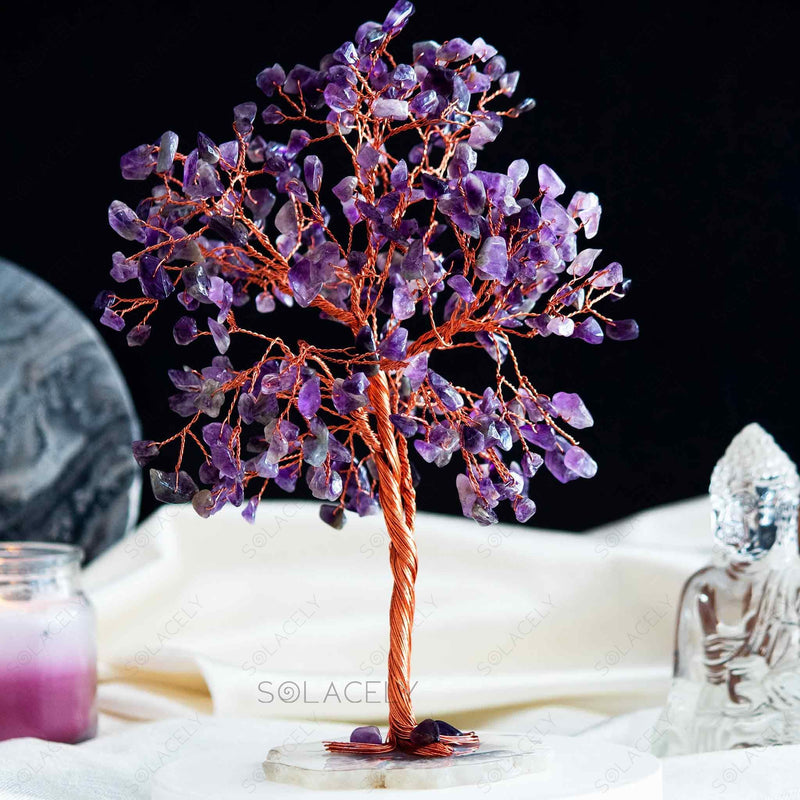
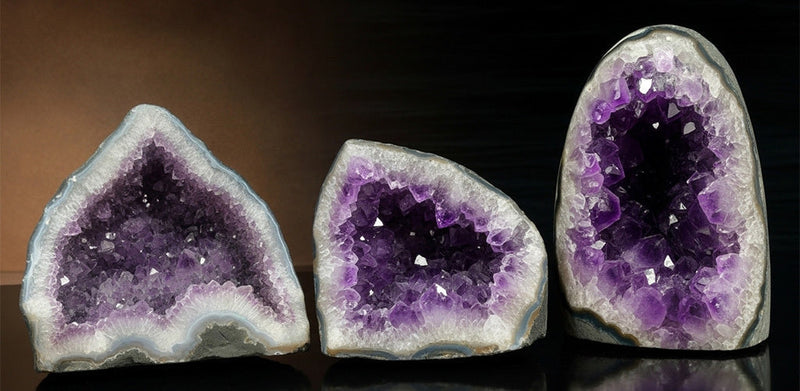
amethyst, sodalite and citrine crystal
amethyst, sodalite and citrine combination

Stress and anxiety rarely show up as one feeling — they arrive as a stack: a knotted stomach, a mind that won't stop looping, the inability to settle into sleep. Amethyst, sodalite, and citrine is one of the most-requested crystal combinations in our store specifically because it addresses all three layers at once. Each stone targets a different part of how anxiety actually presents in the body and mind, and together they cover ground that no single stone can.

The combination also maps neatly onto three chakras in the modern Western system — citrine at the solar plexus, sodalite at the throat or third eye, and amethyst at the crown — which is why it shows up in calming practice as well as chakra work. All three are common stones with verified mineralogy, but they aren't equally durable. Sodalite is significantly softer than the other two (Mohs 5.5–6 vs. Mohs 7), which changes how the combination should actually be worn. As the global wellness economy reached $6.8 trillion in 2024 (Global Wellness Institute, 2025), more people are putting together intentional crystal sets like this one. This guide gives you the chakra logic, the real geology, and the honest jewelry-care advice to use the trio well — whether you're building a stress-relief practice or a chakra-balancing one.

Key Takeaways
  • Stress and anxiety relief layered across body, mind, and nervous system: citrine eases solar-plexus tension, sodalite calms a racing mind, and amethyst soothes the nervous system into rest mode.
  • The three stones cover three chakras: citrine (solar plexus), sodalite (throat/third eye), amethyst (crown). The energetic logic is "manifest, communicate, transcend."
  • Citrine and amethyst are both quartz at Mohs 7 (GIA); sodalite is a feldspathoid at Mohs 5.5–6 (Britannica) — significantly softer.
  • Honest care fact: Geology.com recommends sodalite for "earrings, pins, pendants" rather than rings or bracelets, because harder stones (and ordinary household dust) will scratch it.
  • The seven-color rainbow chakra system is a 20th-century Western synthesis, not an ancient Indian framework. Useful as practice; not literal history.
  • Best formats for the combination: layered necklaces, separate pendants, meditation grids, or altar groupings — anything that doesn't put the sodalite in friction with the harder stones.
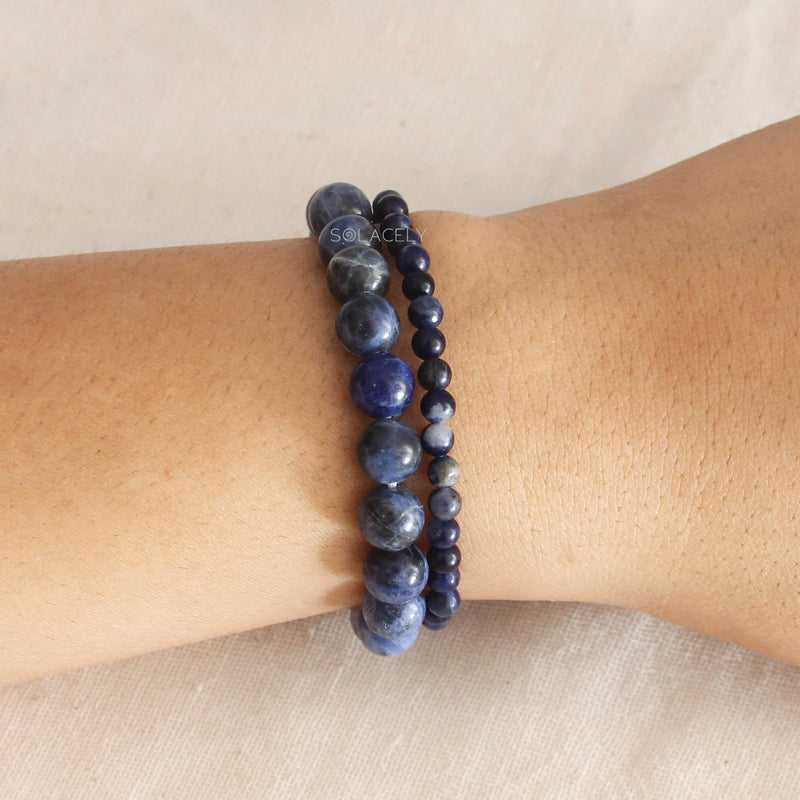
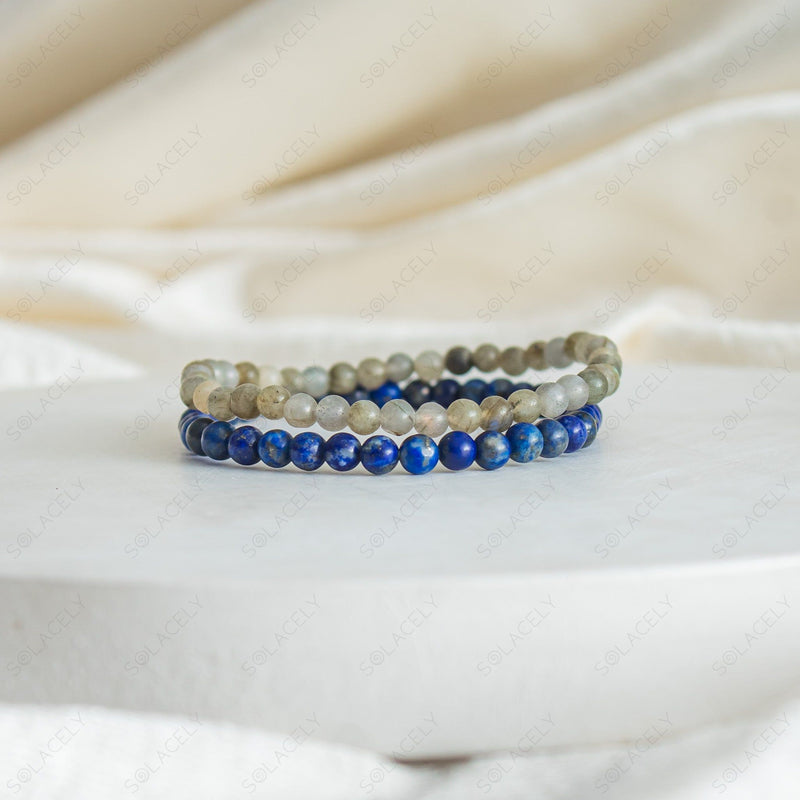
anxiety and stress bracelet

Why This Trio Works for Stress and Anxiety

The reason this combination shows up so often in calming and anxiety-focused practice is that each stone targets a different chakra rather than reinforcing the same energy — which means the trio addresses anxiety as a layered experience, not a single feeling. Citrine, the yellow solar-plexus stone, is associated with confidence and manifestation. Sodalite, royal blue with white veining, sits at the throat (and sometimes third-eye) chakra and is tied to clear communication and intuition. Amethyst, violet to deep purple, corresponds to the crown chakra and the calmer, more contemplative end of the practice.

The combination's logic, then, is progression: ground your intention at the solar plexus (citrine), express it clearly through the throat (sodalite), then settle into spiritual awareness at the crown (amethyst). It's not a random pairing — there's a chakra-by-chakra movement that practitioners describe as "manifest, communicate, transcend."

An honest note about chakra colors. The seven-color rainbow chakra system most Western practitioners reference today is a 20th-century synthesis that overlays Newtonian rainbow colors onto Tantric tradition. Christopher Wallis, a Sanskrit scholar, has documented this clearly (hareesh.org). The chakra concept itself is real and ancient; the specific color-stone mappings are modern. Use them as a useful framework, not as ancient gospel.

The Three Stones: What Each One Brings

Each stone has a verifiable mineralogy that explains its color, durability, and care needs. The geology underneath the energetic claims matters because it determines how the combination should be worn and stored.

Mohs hardness comparison — sodalite is meaningfully softer than amethyst or citrine. Source: GIA and Geology.com.
Mohs Hardness Comparison: Citrine, Amethyst, Sodalite Mohs Hardness: Three-Stone Combination Higher = harder to scratch. Reference line at 7 = household dust (quartz). 0 2 4 6 8 household dust ≈ Mohs 7 7 Citrine quartz, SiO₂ 7 Amethyst quartz, SiO₂ 5.5–6 Sodalite feldspathoid, Na₈Al₆Si₆O₂₄Cl₂ Sodalite sits below the household-dust line, which means everyday dust can scratch it.

Citrine: Solar Plexus / Manipura Chakra

Citrine is the yellow variety of quartz (SiO₂), Mohs hardness 7, rated by the GIA as "suitable for all jewelry types." In the modern chakra framework, it corresponds to the solar plexus (manipura), the energy center associated with confidence, willpower, and personal manifestation. The stone's warm yellow color comes from iron impurities, and Brazil (particularly Minas Gerais) is the dominant commercial source. Citrine shares the same crystal structure as amethyst, which is why the two stones pair so naturally in jewelry.

For stress and anxiety practice specifically, citrine is the stone people reach for when anxiety has tipped into self-doubt or stuckness — the warming, confidence-restoring counter to the freeze response.

Sodalite: Throat / Third Eye Chakra

Sodalite is a feldspathoid mineral (Na₈Al₆Si₆O₂₄Cl₂), royal blue with characteristic white calcite veining, and it's the softest of the three at Mohs 5.5–6 (Britannica). Don't confuse it with lapis lazuli — sodalite is a single mineral, while lapis is a rock made of several minerals including sodalite. In the chakra framework, sodalite sits primarily at the throat chakra (vishuddha), the energy center for clear communication, and sometimes maps to the third eye (ajna) for intuition. The blue, in chakra terms, is doing the work of "expressing what's true."

For anxiety practice, sodalite is one of the most widely recommended crystals for the racing, looping mind — the kind of mental anxiety that rehearses conversations and won't let you settle into sleep.

Important jewelry note. Geology.com — referencing standard gemological practice — explicitly states that sodalite "will be quickly scratched if used in a ring or bracelet" and recommends instead "earrings, pins, pendants, and other items that will not subject the sodalite to impact or abrasion." If you want this three-stone combination as wearable jewelry, plan around the sodalite. We'll cover formats below.

Amethyst: Crown / Sahasrara Chakra

Amethyst is the violet variety of quartz, Mohs 7, with color caused by iron impurities and natural irradiation forming color centers. Like citrine, it's GIA-rated as suitable for all jewelry types and shares the same daily-wear durability profile (GIA). In the chakra system, amethyst corresponds to the crown chakra (sahasrara), the seat of spiritual awareness and calm. Brazil produces approximately two-thirds of the world's amethyst, with significant deposits also in Uruguay and Zambia. The deepest, most-prized purple typically comes from Uruguay's Artigas region.

For anxiety relief, amethyst is the most well-known calming crystal in the trio — its crown-chakra association ties it to the parasympathetic, "rest and recover" end of the nervous system, which is why it's the go-to stone for stressful evenings and pre-sleep meditation.

How This Combination Supports Stress and Anxiety Relief

Anxiety rarely sits in just one place, which is why single-stone solutions often feel incomplete. The strength of this trio is that each stone targets a different layer of how stress actually presents.

  • Citrine grounds the body: Stress often lands first at the solar plexus — the tight, knotted feeling in the upper abdomen. Citrine works on this physical layer, countering the freeze response and rebuilding a sense of agency.
  • Sodalite quiets the mind: For looping thoughts, rehearsed conversations, and the inability to switch off mentally, sodalite is the stone of choice. It addresses the cognitive layer of anxiety that lives in the head rather than the body.
  • Amethyst calms the nervous system:Amethyst signals "it's safe to soften." It's the parasympathetic stone of the three — used most often at the end of stressful days, before sleep, or during recovery from sustained stress.

Used together, the combination covers body, mind, and nervous system in a single set. This is why customers gravitate toward this trio specifically rather than buying any single anxiety stone in isolation.

A practical note: crystals are a complementary tool, not a replacement for medical care. If anxiety is significantly affecting your daily life, please reach out to a mental health professional. The stones work best alongside grounded support — therapy, breathwork, sleep hygiene — not instead of them.

How the Three Stones Work Together (Comparison)

The combination's value comes from contrast, not similarity. Each stone targets a different chakra, has a different color, and contributes a different quality to the practice. The table below summarizes the practical differences worth knowing before you buy or assemble a set.

Stone Chakra Color Mineral Family Mohs Hardness Energetic Role
Citrine Solar plexus (Manipura) Yellow Quartz (SiO₂) 7 Confidence, manifestation
Sodalite Throat (Vishuddha) / Third eye (Ajna) Royal blue with white veining Feldspathoid (Na₈Al₆Si₆O₂₄Cl₂) 5.5–6 Clear communication, intuition
Amethyst Crown (Sahasrara) Violet to deep purple Quartz (SiO₂) 7 Spiritual calm, awareness

Notice the geology: citrine and amethyst are the same mineral, just colored differently. They share durability, care, and chemistry. Sodalite is from a different family entirely — different chemistry, different crystal system, different hardness. That's the practical reason this combination's care regime has to be set by the softest stone.

How to Use the Three-Stone Combination

The right format depends on how often you need to access the combination's calming effect — daily commute stress, evening wind-downs, or focused meditation practice. Here are the formats that actually work.

Layered necklaces with separate pendants. The best wearable format for this trio. Three independent pendants on three different chains keep the sodalite from rubbing against the harder amethyst and citrine. Visually, the three colors layered look striking. From what we've seen, this is the format customers come back to most.

Pocket stone trio for meditation. This is the strongest format for active anxiety relief — you can hold whichever stone matches what you're feeling in the moment (citrine for stomach tension, sodalite for racing thoughts, amethyst for an overstimulated nervous system) rather than relying on the full set.

Crystal grid or altar grouping. Place the three stones in a triangle on an altar or meditation space. Citrine at the front, sodalite at one back point, amethyst at the other. This is the lowest-maintenance format and the one that lets each stone keep its full color and surface integrity over time.

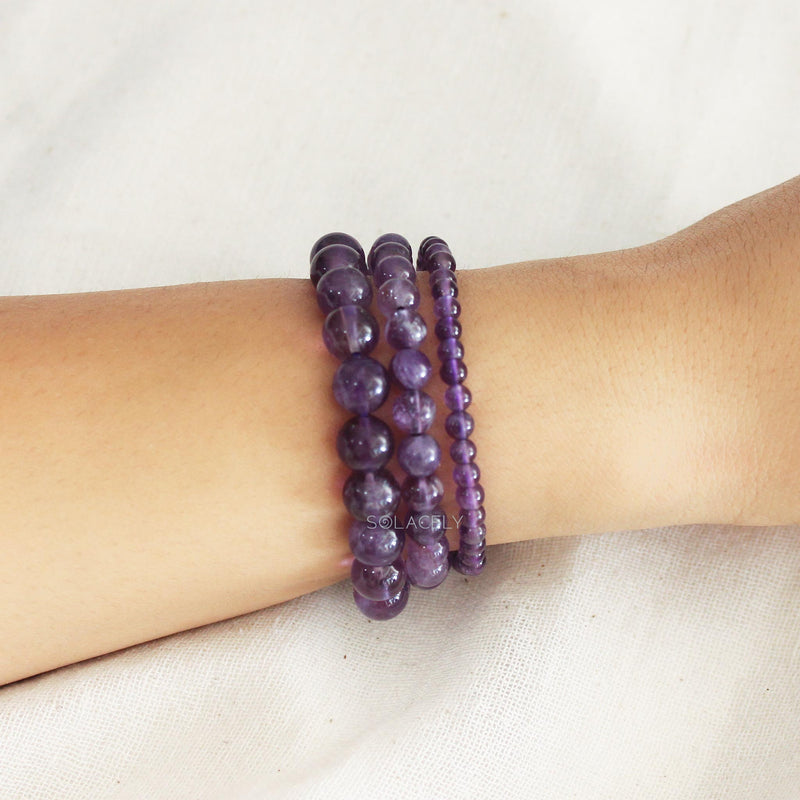
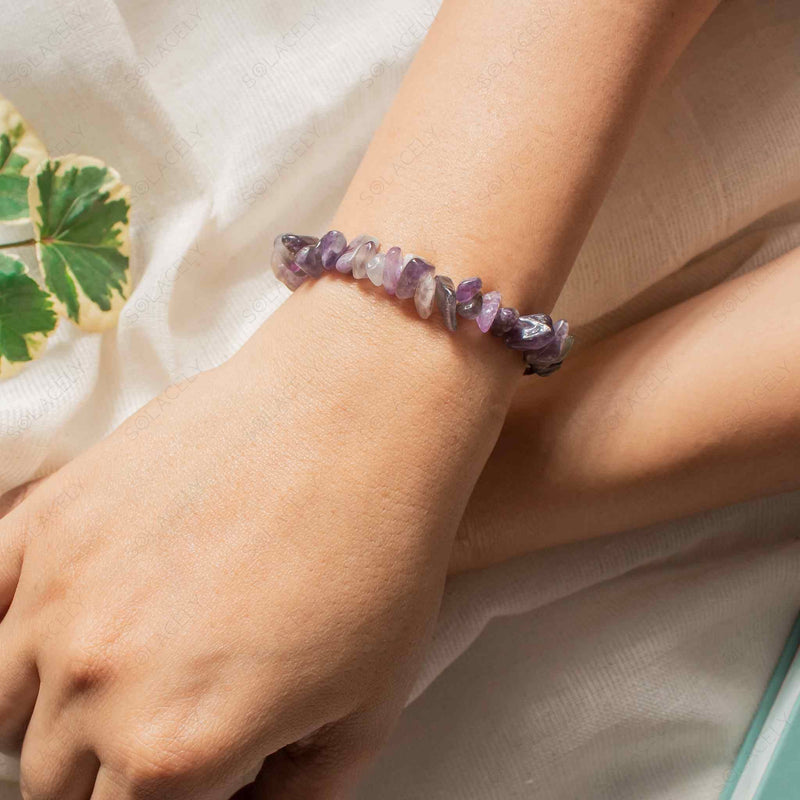
Single stacked bracelet (with caveats). If you want to wear all three in one bracelet, accept that the sodalite beads will show wear and dulling within months of daily use. Choose larger sodalite beads (10mm+) to slow the visible damage, and rotate the bracelet with others rather than wearing it every single day. Treat it as a "special occasion" piece, not a 24/7 staple.

How to Care for the Three-Stone Combination

Set the entire care regime to the softest stone. Sodalite is the limiting factor at Mohs 5.5–6, so even though amethyst and citrine could handle more aggressive cleaning, treat them all as if they were sodalite. The result is a simple, gentle protocol that protects all three.

Cleaning. Warm soapy water with a soft cloth handles all three stones safely (GIA; GIA). Skip ultrasonic cleaners. Avoid steam cleaning — heat can damage both quartz varieties. Don't use harsh chemicals (hydrofluoric acid, ammonium fluoride, alkaline solutions all cause damage).

Storage. Store the three stones separately. The Mohs 7 stones (amethyst and citrine) can scratch the Mohs 5.5–6 sodalite even in a soft pouch if they're loose together. Use individual fabric pouches or a divided jewelry box. Keep them out of direct prolonged sunlight, since both amethyst and citrine can fade.

Energetic cleansing. Selenite plate overnight is the easiest method — passive, no rituals required, works for all three stones. Smoke cleansing (sage or palo santo) and sound cleansing (singing bowls, bells) also work. Avoid extended sun-charging because of fade risk; moonlight is safer.

Frequently Asked Questions

Why combine amethyst, sodalite, and citrine?

These three stones cover three different chakras in the modern Western chakra system: citrine for the solar plexus (yellow, manifestation), sodalite for the throat or third eye (blue, communication), and amethyst for the crown (violet, spiritual calm). Together they form a chakra-progressive set that moves from grounded confidence up through expression and into spiritual awareness.

Can I wear all three stones in the same bracelet?

Technically yes, but with caveats. Sodalite has a Mohs hardness of 5.5–6, while amethyst and citrine are both Mohs 7. In a stacked bracelet, the harder stones will scratch the sodalite over time. Geology.com recommends sodalite for "earrings, pins, pendants" rather than rings or bracelets.

Which chakra does each stone work with?

In the modern Western chakra system: citrine corresponds to the solar plexus chakra (manipura, yellow), sodalite to the throat (vishuddha, blue) and sometimes the third eye (ajna, indigo), and amethyst to the crown chakra (sahasrara, violet). The seven-color rainbow chakra mapping is a 20th-century synthesis, not an ancient Indian system.

Are these chakra associations historically accurate?

The seven-color chakra system most Western practitioners use is a 20th-century synthesis that incorporates Newtonian rainbow colors not found in ancient Indian sources. The chakra concept itself is genuinely old, codified in a 1577 CE Sanskrit text. The specific stone-color-chakra mappings are modern. Use them as a useful framework, not historical fact.

How do you care for an amethyst, sodalite, and citrine set?

Set the care regime to the softest stone, which is sodalite. Use warm soapy water with a soft cloth for all three. Avoid ultrasonic and steam cleaning, harsh chemicals, abrupt temperature changes, and prolonged direct sunlight (amethyst and citrine can fade). Store the stones separately to prevent the harder stones from scratching the sodalite.

What is the best way to use this crystal combination?

The most practical formats are a layered necklace with separate pendants for each stone, a meditation set held one stone at a time, or a small altar grouping. Stacked bracelets work but require accepting some sodalite wear over time. For daily-wear jewelry, separate pendants protect the softest stone.

Does the amethyst, sodalite, and citrine combination help with stress and anxiety?

This trio is one of the most popular crystal combinations for anxiety because each stone targets a different layer of stress. Citrine works on solar-plexus tension and the freeze response, sodalite calms a racing or looping mind, and amethyst soothes the nervous system into a parasympathetic, restful state. Used together, they cover body, mind, and nervous system in a single set — which is why many practitioners prefer the combination over any single anxiety stone. As always, crystals are a complementary practice; for clinical anxiety, please also consult a mental health professional.

About the author

Chetena Sharma
Chetena Sharma

Written by Chetena Sharma, crystal healing practitioner and co-founder of Solacely. Chetena has worked with healing crystals for over a decade and curates Solacely's protective stone collection.
Back to blog
1 3