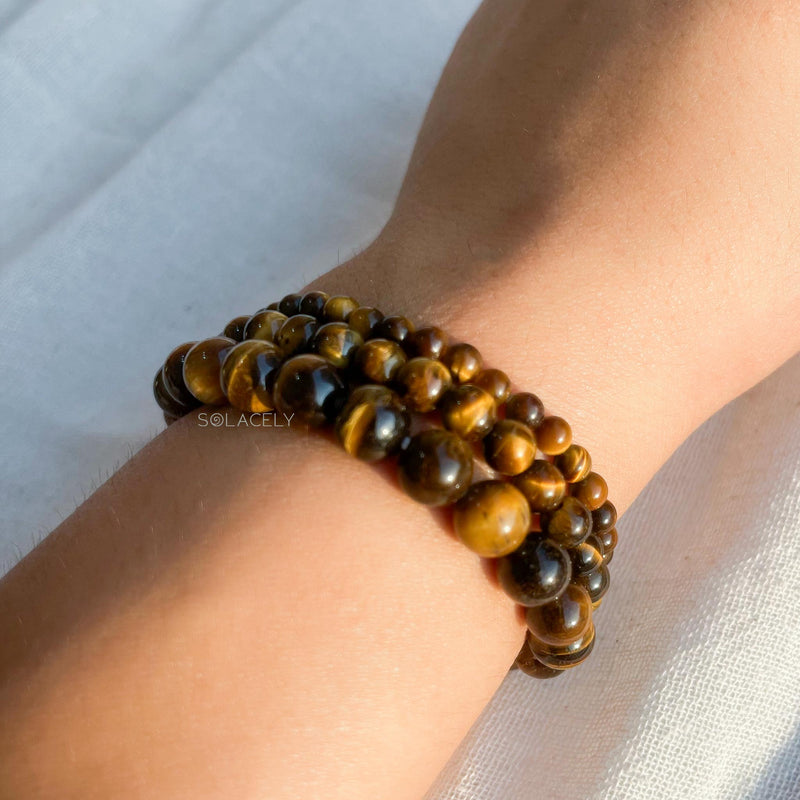
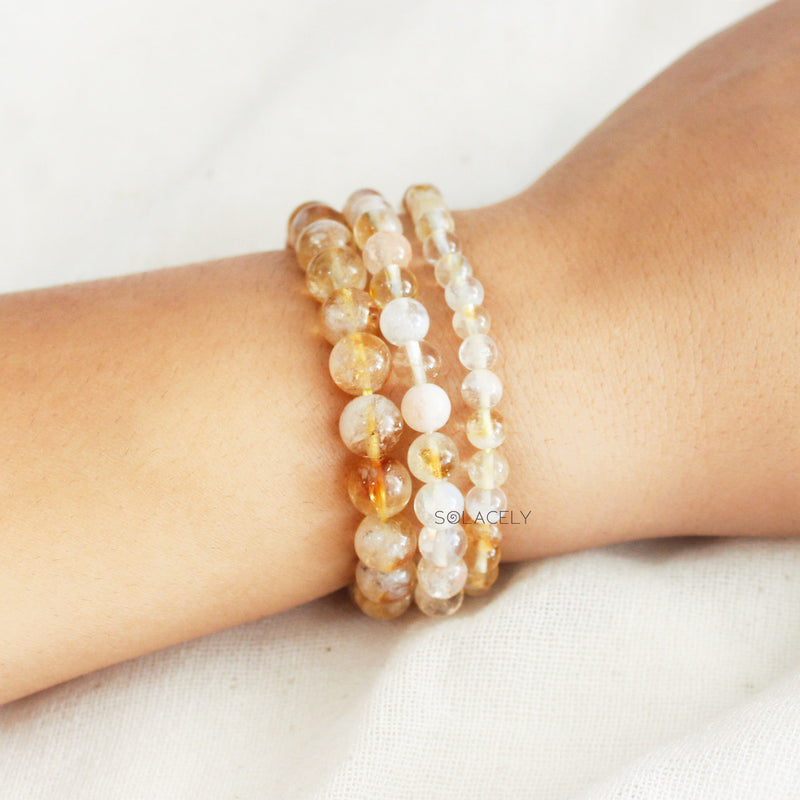
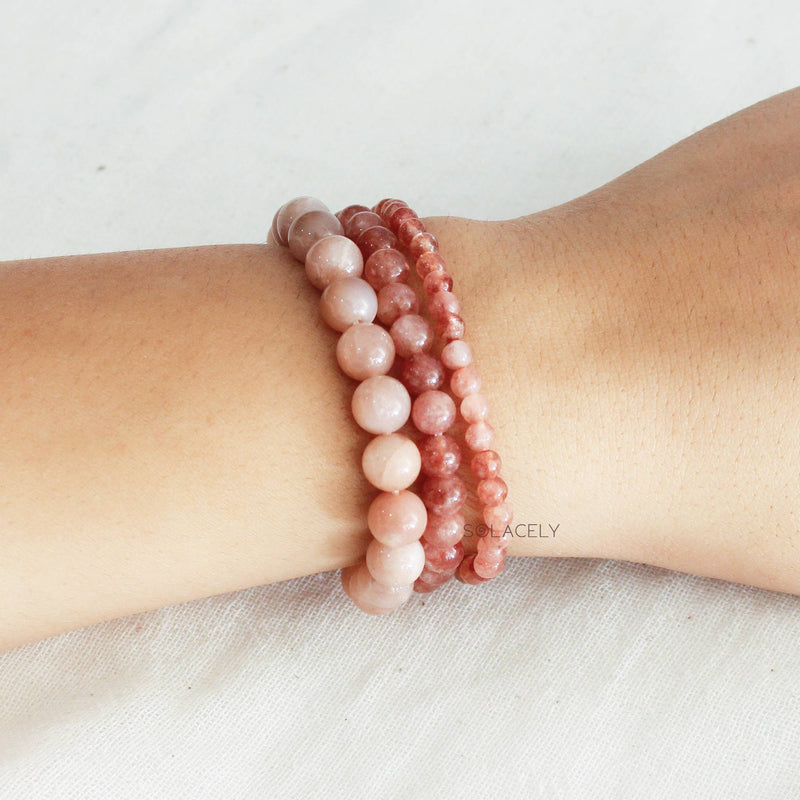
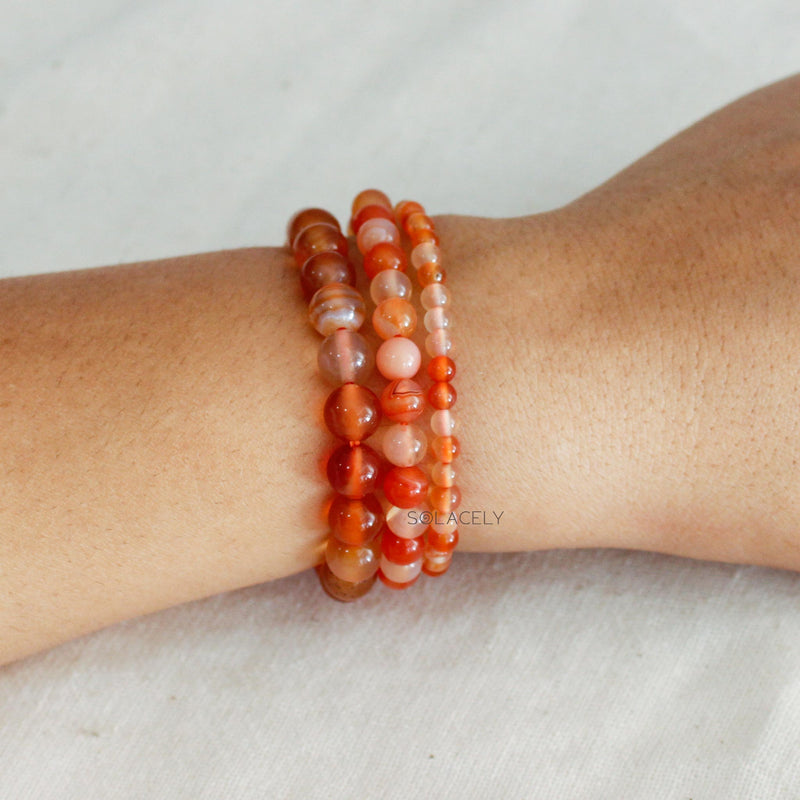
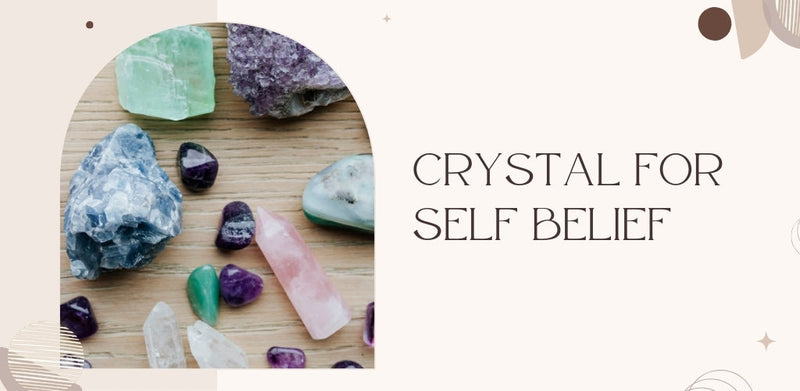
Citrine, tiger's eye, carnelian, sunstone, pyrite and black tourmaline are the stones traditionally kept for confidence. The first five belong to the solar plexus, the chakra of personal power. Black tourmaline comes at it from the other direction, grounding you so that steadiness rather than brightness is what carries.
Key takeaways
- Citrine, tiger's eye, carnelian, sunstone and pyrite are the warm solar plexus confidence stones.
- Black tourmaline and hematite are the grounding route to the same thing, for nerves rather than doubt.
- Wear on the right wrist to project outward, on the left to draw the quality in.
- One stone with a named intention does far more than five in a bowl.
- Keep citrine out of hard sun and keep pyrite completely dry.
Which confidence do you actually want?
Confidence is not one thing, and choosing well starts with noticing which part is missing. Some people know exactly what they think and cannot say it. Others cannot settle on a view at all. Others are steady until challenged, then lose the thread entirely.
Crystal tradition sorts those differently. The warm solar plexus stones are for the doubting kind of unconfidence, where the problem is not believing your own judgement. The grounding stones are for the nervy kind, where you believe it perfectly well but your body will not let you say it.
That distinction matters more than which stone is most popular. Buying citrine when what you actually need is steadiness under pressure is the commonest mistake beginners make, and it is entirely avoidable.
The confidence stones
Six cover almost everything. Read across and pick the row that describes what happens to you, not the stone with the best reputation.
| Stone | Traditionally kept for | Choose it when |
|---|---|---|
| Citrine | Self-esteem and optimism | You assume in advance that you will fail |
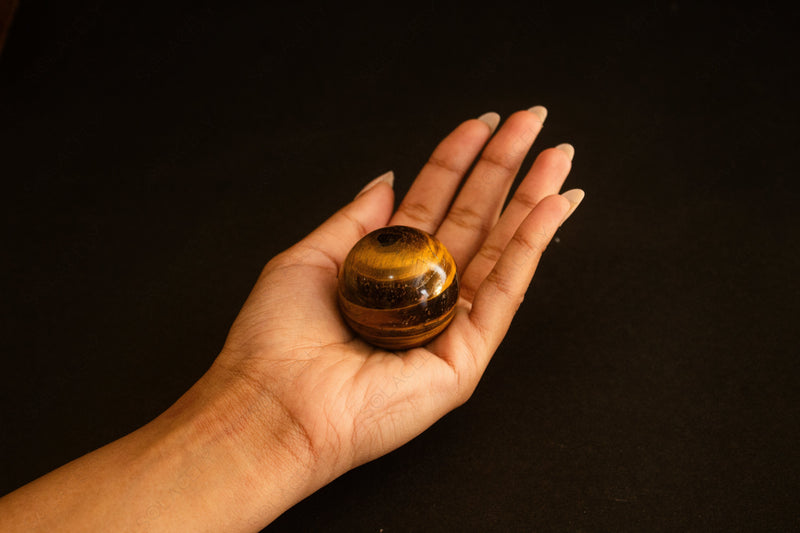
| Tiger's eye | Steady nerve and clear decisions | You lose your thread when challenged |
| Carnelian | Courage and momentum | You freeze at the point of acting |
| Sunstone | Self-worth and presence | You shrink in a large room |
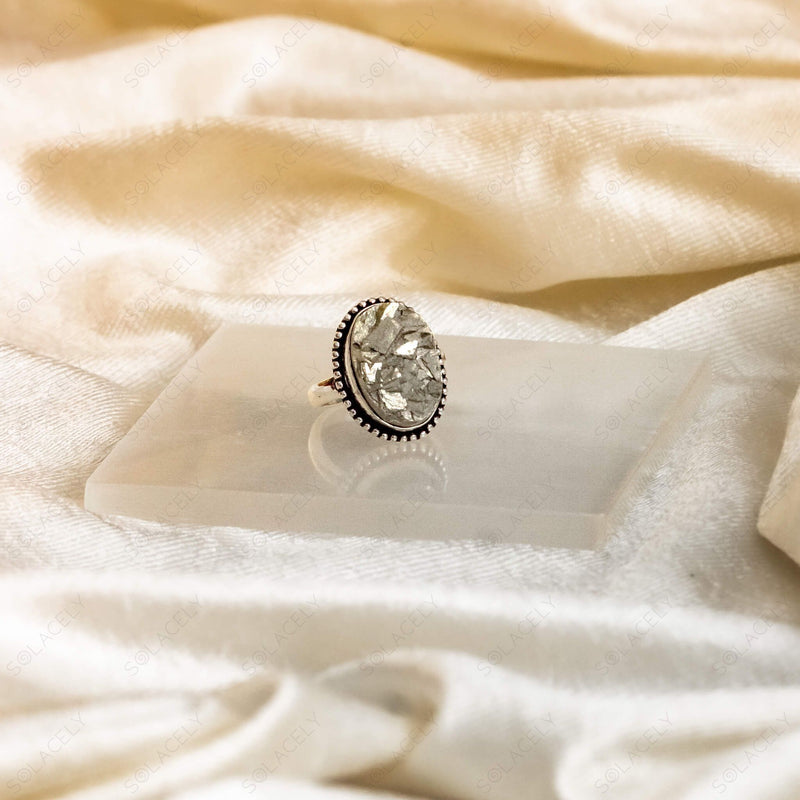
| Pyrite | Resolve and follow-through | You agree to things you meant to refuse |
| Black tourmaline | Grounding and steadiness | Your nerve fails before your judgement does |
Citrine is the best known of the set and the usual starting point, and our guide to citrine meaning and properties covers it in full. Tiger's eye is the one most often chosen for high-pressure moments, and our guide to tiger's eye meaning and properties goes into why.
The solar plexus and why it matters
Manipura, the third chakra, sits in the soft space just above the navel, and in tradition it is the seat of personal power, will and self-worth. Its colour is yellow and its element is fire, which is exactly why the confidence set is so consistently warm and golden.
That location is part of why the association has lasted so long across very different traditions. The gut is where nerves are felt physically, and the chakra sits precisely there, so the mapping between the two is intuitive to almost everyone who tries it.
Working with a stone at that centre is the traditional practice: hold it against the space above the navel, breathe into that spot, and let the attention settle there before you name what you want. Our guide to the chakra system covers all seven centres in order.
How to wear a confidence stone
In crystal tradition the right wrist is the giving side and the left is the receiving side. Wear a confidence stone on the right when the intention is to project outward and take up room, and on the left when what you want is to draw the quality in first.
A bracelet is the practical choice because it is present without effort and you can turn a bead invisibly at the exact moment doubt arrives. A pendant sits closer to the solar plexus if it hangs long. A tumble in a pocket suits people who would rather have something to hold than something to see.
Pair the stone with one specific intention rather than a general wish. Not "be more confident" but "I am going to ask for the deadline extension today". The stone then becomes the reminder of a decision you already made, which is the mechanism the whole tradition is built on.
A short daily practice
Two minutes each morning, done the same way, is the whole of it. Sit somewhere quiet, hold the stone against the space above your navel, breathe slowly into that spot until you feel the stone warm, then name your one intention out loud or silently.
Put the bracelet on last, as the closing gesture. Making it the final action of the ritual is what ties the object to the intention, and it is why practitioners are so consistent about the order. Skipping it turns the whole thing into jewellery.
In the moment itself, use the stone as a cue for one behaviour rather than a mood. A common rule is that touching the bead means speaking within the next two contributions. That converts something vague into something with an edge on it, and it is the part people report actually works.
Building it over weeks
Nobody describes this as fast. What people describe is a gradual shift noticed first in small things: speaking a little earlier, finishing a sentence you would once have let trail off, doing the thing on the day you said you would rather than the day after.
Keep a line in a notebook, because confidence is almost impossible to observe from inside. Note the intention in the morning and what actually happened by evening. Over a month the pattern shows itself, and it usually shows more than you would have credited.
Resist buying the whole set. One stone stays in view and five stop being noticed. If you want a second, let it answer a different question: a warm stone for doubt and a grounding one for nerves is the pairing that actually earns its place. Our note on confidence in meetings covers that specific situation in detail.
Caring for the stones
Most of the set is straightforward. Citrine, tiger's eye and carnelian all sit at 7 on the Mohs scale, and black tourmaline at 7 to 7.5, so all four handle daily wear on a wrist. Warm soapy water and a soft cloth clean them, and drying properly is the only requirement.
Two need particular care. Pyrite contains iron sulphide and must stay completely dry, so never rinse it and never cleanse it with salt. Sunstone is softer at around 6 to 6.5 and chips on a hard knock, so take a sunstone ring off before anything rough.
Citrine fades permanently with long hours of hard direct sunlight, so charge it in moonlight rather than on a sunny sill. Cleanse weekly and after any day that went badly, using sound, incense smoke or moonlight. Our step-by-step on how to cleanse and charge crystals covers each method in order.
Crystals are worn and kept as part of a long-standing spiritual and cultural tradition. They are not a medical device or treatment, and they do not diagnose, treat, cure or prevent any condition, including low self-esteem, social anxiety or depression. Nothing here replaces advice from a doctor, therapist or other qualified professional. If low confidence is affecting your health, sleep, work or relationships, please speak to someone. Pyrite must be kept dry and away from food, and small beads and tumbles are a choking risk for babies and young children.
Sources
- National Institute of Mental Health, Caring for your mental health
- Geology.com, Pyrite: properties and care
Written by Chetena Sharma. Reviewed by the Solacely editorial team.
Frequently asked questions
About the author


Written by Chetna Sharma, crystal healing practitioner and co-founder of Solacely. Chetna has worked with healing crystals for over a decade and curates Solacely's protective stone collection.