In Ayurveda and many Indian households, wearing copper (tamba) is believed to balance the body's energies, support grounding, and carry protective, warming qualities. These are traditional and spiritual beliefs, not proven medical facts. Copper has been worn as a bracelet, ring, or thread for centuries because people trust how it feels and what it represents.
Key Takeaways
- In Ayurvedic tradition, copper is linked to the Pitta and warming qualities, and is believed to help 'balance' the body's energies. This is cultural belief, not clinical proof.
- Copper is most commonly worn as a bracelet or kada, a ring, or a thin thread (tamba dhaga), often on the wrist, finger, or around the neck.
- Many wearers choose the non-dominant hand and remove copper before sleep; there is no single 'correct' rule, only tradition and comfort.
- A 2013 randomised trial found copper bracelets had no measurable clinical effect on rheumatoid arthritis, so benefits are best framed as personal and spiritual.
- Simple copper bracelets are inexpensive, with crystal-set or artisan pieces costing appreciably more.
What Does 'Spiritual Benefit' of Copper Actually Mean?
When people talk about the spiritual benefits of wearing copper, they mean qualities passed down through tradition: grounding, energy balance, protection, and a sense of intention. In Ayurveda, copper (tamba) is one of the classical metals used in vessels and ornaments. These are beliefs and cultural practices, not verified health outcomes.
Copper sits at the meeting point of the practical and the symbolic. On one hand, it is a genuine metal with a long human history. According to Encyclopaedia Britannica, copper was one of the first metals used by humans, worked for tools and ornaments for thousands of years. That deep history is part of why so many cultures attach meaning to it.
On the other hand, the 'spiritual' layer is about how copper is used and understood, not about a measurable force. When someone says copper 'amplifies intention,' they're describing a belief and a ritual, a way of focusing the mind. That distinction matters, and we'll keep it clear throughout this guide.
If you want the wider symbolic picture, our piece on copper's metaphysical properties unpacks the traditional associations in more detail.
Copper in Ayurveda and Indian Tradition
In Ayurveda, copper is a warming metal traditionally associated with balancing certain doshas, and drinking water stored overnight in a copper vessel (tamra jal) is a common household practice. Wearing copper is believed to carry similar grounding and balancing qualities. These are traditional wellness beliefs, and Ayurveda is a system of cultural knowledge rather than modern clinical medicine.
Across Indian homes, copper shows up everywhere: the lota used in daily puja, the kalash at weddings and housewarmings (griha pravesh), and the copper thread tied on a newborn's wrist. The metal is woven into ritual life, so wearing it feels natural and familiar rather than exotic.
Many wearers describe copper as 'grounding,' a way of feeling steadier and more present. In spiritual language, grounding means connecting your attention to the here and now. Whether that feeling comes from the metal itself or from the intention behind wearing it, the experience is real to the person, even if it isn't something a lab can measure.
Copper is also seen as protective. A copper kada or thread is often given to children and elders alike, framed as a small shield of good energy. For the fuller story of the metal's traditional strength and symbolism, see the power of copper.
Energy Balance and Grounding: The Traditional View
Traditionally, copper is described as a 'conductor' of energy, and wearers believe it helps move stagnant energy and restore balance between body and mind. This is a metaphor drawn from copper's real electrical conductivity, not a claim that jewelry channels a healing current. The value here is intention and ritual, framed clearly as belief.
Here is where honesty helps. Copper is genuinely one of the best electrical conductors, which is why it's used in wiring. Spiritual traditions borrow that image and apply it to 'life energy' or prana. The metal in a bracelet is not carrying a measurable healing current through your skin, so it's best to treat the conductor idea as a symbol.
What many people find is that the ritual works on them, not through them. Choosing a piece, setting an intention, and wearing it daily creates a small anchor of mindfulness. That gentle focus can feel grounding, calming, and centering, which is a real benefit of habit and attention.
For readers curious about the overlap between symbolism and 'magic' traditions, our note on copper's magical properties covers the folklore side without overstating it.
Where and How Copper Is Traditionally Worn
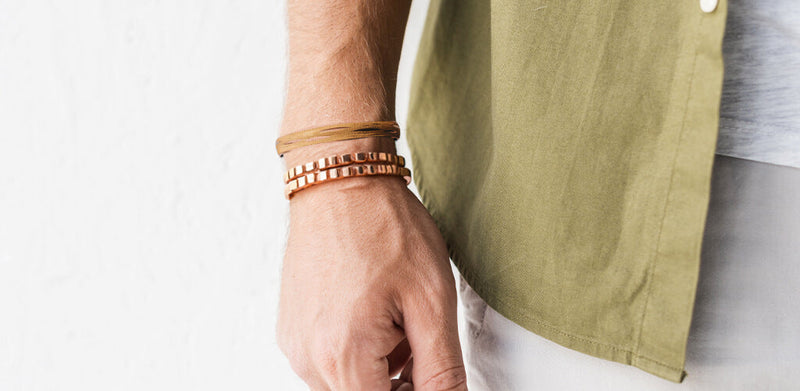
Copper is traditionally worn on the wrist as a bracelet or kada, on the finger as a ring, or as a thin thread around the wrist or neck. Placement is guided by comfort and custom rather than strict rules. Many wearers keep copper against bare skin and remove it before bathing or sleep to reduce green marks.
Different forms carry slightly different intentions:
| Form | Where it's worn | Traditional association |
|---|---|---|
| Bracelet / kada | Wrist | Grounding, everyday protection |
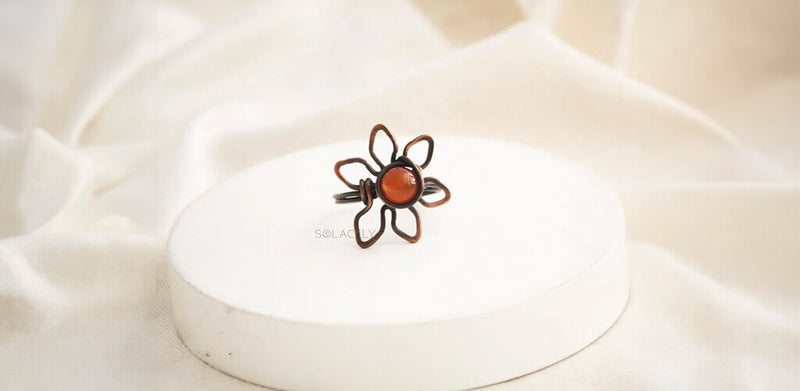
| Ring | Finger | Focus, intention, wealth (with Pyrite) |
| Tamba dhaga (thread) | Wrist or neck | Protection, blessing, given to children |
| Pendant | Neck / heart area | Emotional balance, heart-centred intention |
A frequent question is which side to wear it on. Many people choose the non-dominant hand simply because it stays out of the way, while others follow family custom. There's no universal rule, only tradition and comfort. We cover the common guidance in which hand to wear a copper bracelet.
If you're pairing copper with stones for a specific intention, copper jewelry for healing walks through combinations traditionally chosen for calm, love, or confidence.
Copper and Crystals: Pairings by Intention
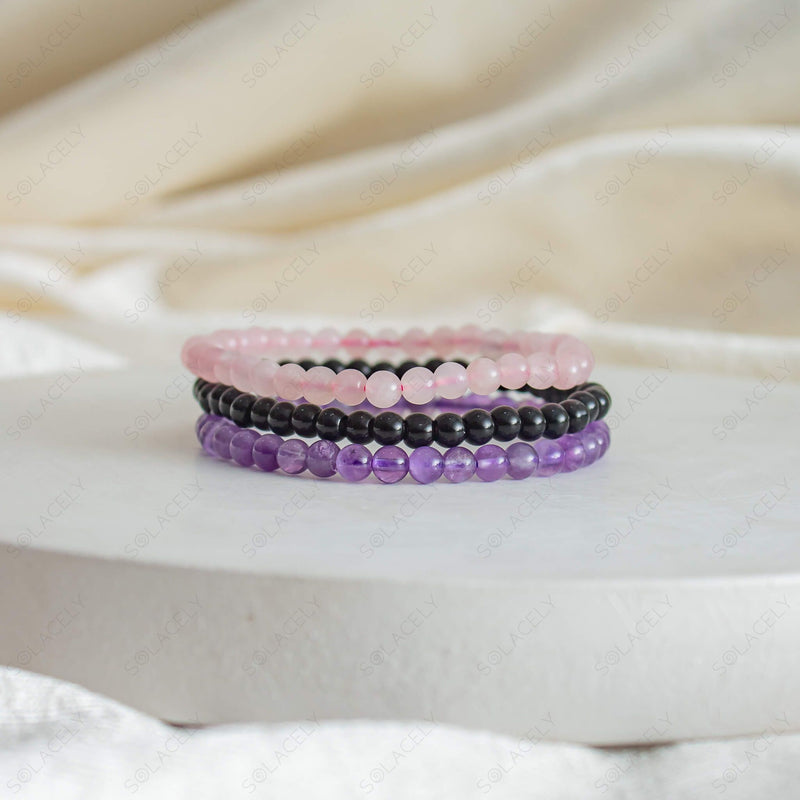
In crystal tradition, copper is often paired with a stone to 'focus' a particular intention, and each pairing is chosen for meaning rather than proven effect. Amethyst is linked with calm, Rose Quartz with love, Citrine with abundance, and Black Tourmaline with protection. These associations are cultural belief systems, and the pairing is really about setting a clear intention.
Here are the most common intention-led pairings:
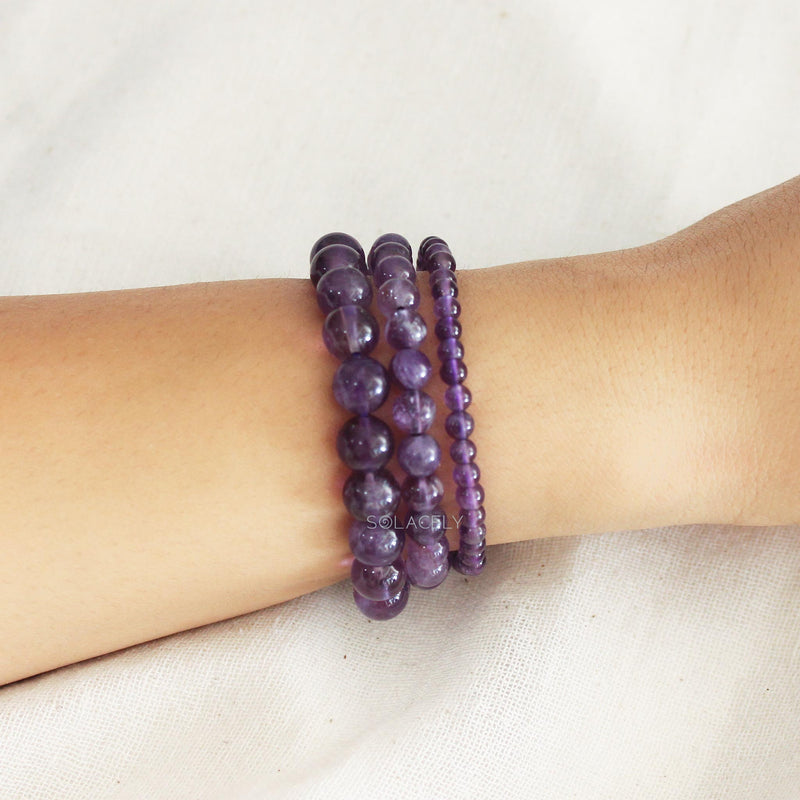
- Calm and rest: copper with Amethyst, chosen by those wanting a quieter mind.
- Love and self-worth: copper with Rose Quartz, a gentle heart-centred combination.
- Abundance and confidence: copper with Citrine or Pyrite, popular for work and money intentions.
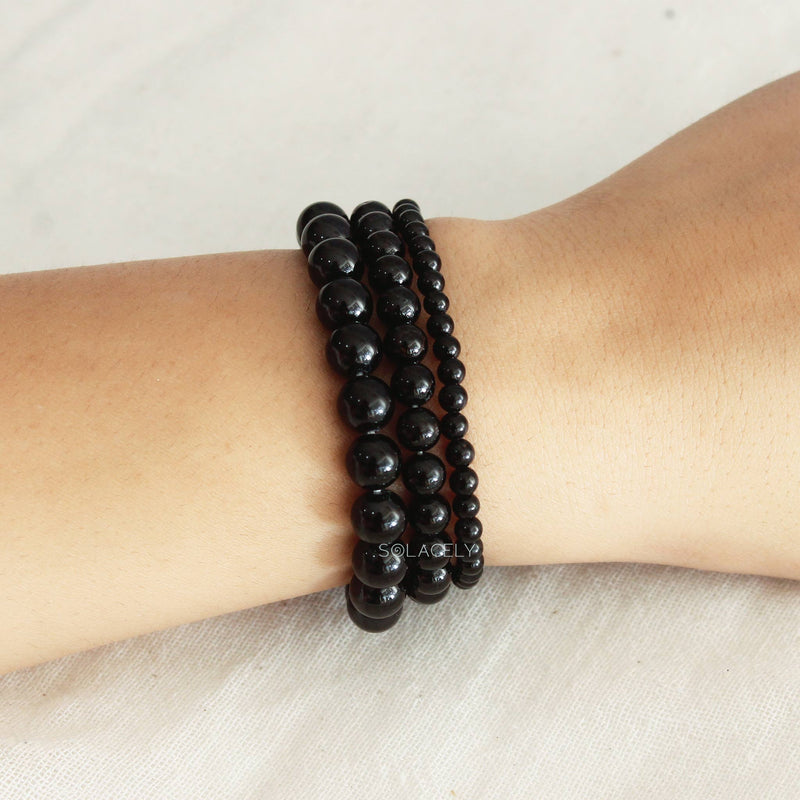
- Protection and grounding: copper with Black Tourmaline, favoured for daily wear.
- Clarity: copper with Clear Quartz, seen in tradition as an 'amplifier' of intention.
The reason to pick a pairing is that it makes your intention concrete. When you look at your wrist, the stone reminds you what you set out to focus on. That's a legitimate psychological anchor, even though the metaphysical 'synergy' is belief rather than measured fact. Choose the pairing whose meaning speaks to you.
An Honest Look at the Evidence
Honesty is part of trust: the spiritual benefits of copper are traditional beliefs, and the clinical evidence for physical healing is weak. A well-known 2013 randomised controlled trial published in PLOS ONE found that copper bracelets and magnetic wrist straps had no meaningful effect on rheumatoid arthritis pain or inflammation compared with a placebo. So the value of copper is best understood as personal and spiritual.
This doesn't mean wearing copper is pointless. It means the benefits people report, feeling grounded, calmer, more intentional, come largely from ritual, habit, and meaning rather than from a physical mechanism the jewelry performs. That's a perfectly good reason to wear something, as long as we're clear about what it is.
It also means copper is not a treatment. If you have arthritis, joint pain, or any health condition, copper jewelry is not a substitute for medical care. Wear it for what it represents to you, and see a doctor for what your body needs. On a related safety worry, our piece on whether copper bracelets can cause cancer addresses the myths directly.
For anyone interested in the traditional 'healing' claims and where they come from, copper's healing properties lays out the beliefs alongside the same honest framing.
Caring for Copper and Choosing a Piece
Copper needs simple care: wipe it dry, remove it before bathing or swimming, and clean the tarnish occasionally with lemon and salt or a little tamarind. Plain copper bracelets are inexpensive, while crystal-set or handcrafted designs cost more. Buy for meaning and quality, not for a promised cure.
A quick care and buying checklist:
- Keep it dry. Moisture speeds up tarnish and green skin marks. Remove copper before showers.
- Clean gently. A paste of lemon and salt, rinsed and dried, restores shine without harsh chemicals.
- Check the metal. Look for solid, unlacquered copper if you want the traditional bare-metal contact.
- Match the intention. Pick a plain piece for everyday grounding, or a stone-set design for a specific focus.
- Set your budget honestly. Simple daily pieces cost very little; elevated or artisan pieces run considerably higher.
The green tint copper sometimes leaves on skin is harmless oxidation, not a sign of 'toxins' or a special reaction, despite the old myth. If you'd like the science behind it, we explain it in why copper turns your skin green. And if your interest runs toward home energy rather than jewelry, copper pyramid Vastu benefits covers that tradition.
Sources
- Encyclopaedia Britannica, 'Copper' — history and properties of the element: britannica.com
- Richmond SJ, et al. (2013), 'Copper Bracelets and Magnetic Wrist Straps for Rheumatoid Arthritis,' PLOS ONE: journals.plos.org
- National Center for Complementary and Integrative Health (NIH), on evaluating complementary health practices: nccih.nih.gov
Frequently asked questions
About the author


Written by Chetna Sharma, crystal healing practitioner and co-founder of Solacely. Chetna has worked with healing crystals for over a decade and curates Solacely's protective stone collection.