A blue aura is traditionally read as a sign of calm, honest communication, and emotional depth. In aura belief it points to someone steady, truthful, and quietly reassuring to be around, a person others turn to when they need to feel heard. It is linked to the throat, the seat of clear expression.
Key Takeaways
- A blue aura is believed to signal calm, clear communication, honesty, and emotional balance.
- It is traditionally tied to the throat chakra (Vishuddha), the centre of self-expression and truth.
- Shade matters: light blue reads as gentle and open, royal blue as intuitive, muddy blue as a call to rest.
- Blue Lace Agate and Sodalite are the stones most associated with a blue aura's calm and communication.
- Aura reading is cultural tradition, not medical fact; treat persistent low mood as a health matter.
What Does a Blue Aura Mean?
A blue aura is understood as a field of calm, clarity, and honest expression. In aura tradition it marks people who communicate well, stay level in a crisis, and carry a natural sense of trust. Think of a still lake at dawn: quiet on the surface, deep underneath. That is the reading blue invites.
The colour is associated with the throat and with truth. Where a red aura is read as fiery and driven, blue is its calming counterweight, cool, considered, and steady. People with this aura are often described as the ones friends confide in, the colleagues who defuse tension without raising their voice.
There is depth here too, not just serenity. Blue is believed to hold feeling as much as calm. A person reading blue may care deeply and think carefully before they speak. That combination, warmth plus composure, is why the green aura's sense of balance is often mentioned in the same breath as blue.
Personality Traits of a Blue Aura
A blue aura is traditionally linked to strong communicators who value honesty, stay calm under pressure, and listen with real empathy. Believers describe these people as trustworthy and grounded, the steady presence in a room. The trait cluster is consistent: expression, truth, calm, and care for others.
Here is how those qualities usually show up:
- Clear communication. Blue aura people are said to say what they mean, kindly and plainly. Words come easily and land well.
- Honesty and integrity. Truth matters to them. They are believed to dislike pretence and to keep their word.
- Calm under strain. They tend to stay composed when others panic, which makes them natural mediators.
- Deep empathy. Good listeners by nature, they are said to absorb how others feel, sometimes more than is comfortable.
- Loyalty. Once trust is earned, it runs deep. Relationships are held with care.
None of this is a fixed personality test. Aura tradition treats these as tendencies, not labels. Many people carry blue alongside another dominant colour, the way the intuitive indigo aura shapes personality blends into blue at its deeper end.
The Blue Aura and the Throat Chakra
n tradition, the blue aura is closely tied to the throat chakra, called Vishuddha, the energy centre governing speech, truth, and self-expression. This link is old and specific. It is why blue is so consistently read as the colour of clear, honest communication rather than simply calm.
Vishuddha sits at the throat and is depicted as blue in classical chakra imagery. When it is described as balanced, a person is said to speak their truth easily and listen without judgement. When it feels blocked, people report holding words back, struggling to say what they mean, or over-explaining.
This is the tradition many blue aura practices draw from. Chanting, singing, honest conversation, even humming, are all treated as ways to keep the throat centre open. It is a cultural framework, not a medical one, but it explains why so many blue aura people are drawn to teaching, counselling, writing, and music.
What Each Shade of Blue Suggests
The exact shade of a blue aura is believed to refine its meaning, from the gentle openness of light blue to the intuitive depth of royal blue. Aura readers treat colour intensity as information: a paler blue reads differently from a deep, saturated one. The core themes stay, calm and communication, but the emphasis shifts.
| Shade | Traditional reading | What it emphasises |
|---|---|---|
| Light / sky blue | Gentleness, openness, optimism | Kindness, easy communication, fresh starts |
| Bright blue | Confidence, clarity, honesty | A settled, self-assured communicator |
| Royal / deep blue | Intuition, spiritual awareness | Depth, wisdom, a strong inner compass |
| Turquoise blue | Healing, compassion | A natural helper or carer |
| Muddy / dark blue | Overload, held-back feeling | A signal to rest and speak up |
A muddy or clouded blue is worth naming gently. In tradition it is not a bad sign, only a nudge, often read as someone who is over-giving or swallowing what they need to say. The remedy suggested is rest and honest expression, closer to the restorative calm of a violet aura's inner harmony than to anything alarming.
How a Blue Aura Is Read
Aura readers interpret blue by looking at its shade, brightness, and where it sits around the body, then relating that to a person's mood and life season. There is no instrument involved. Reading an aura is an intuitive, interpretive practice rooted in belief, so descriptions vary from reader to reader.
Most readings follow a rough sequence. A reader notes the dominant colour, then its clarity: is the blue bright and clean, or dull and clouded? A clear blue is read as balance and easy expression. A murky blue is read as strain or held-back emotion. Position is sometimes considered too, blue near the throat or head being tied to communication and intuition.
Some people believe they can sense their own aura through feeling rather than sight, calm, openness, a readiness to speak honestly. Others use aura photography, which captures colour from a hand sensor, though this is an artistic tool, not a scientific measurement. Whatever the method, the reading is a mirror for reflection, not a diagnosis.
Crystals Traditionally Linked to a Blue Aura
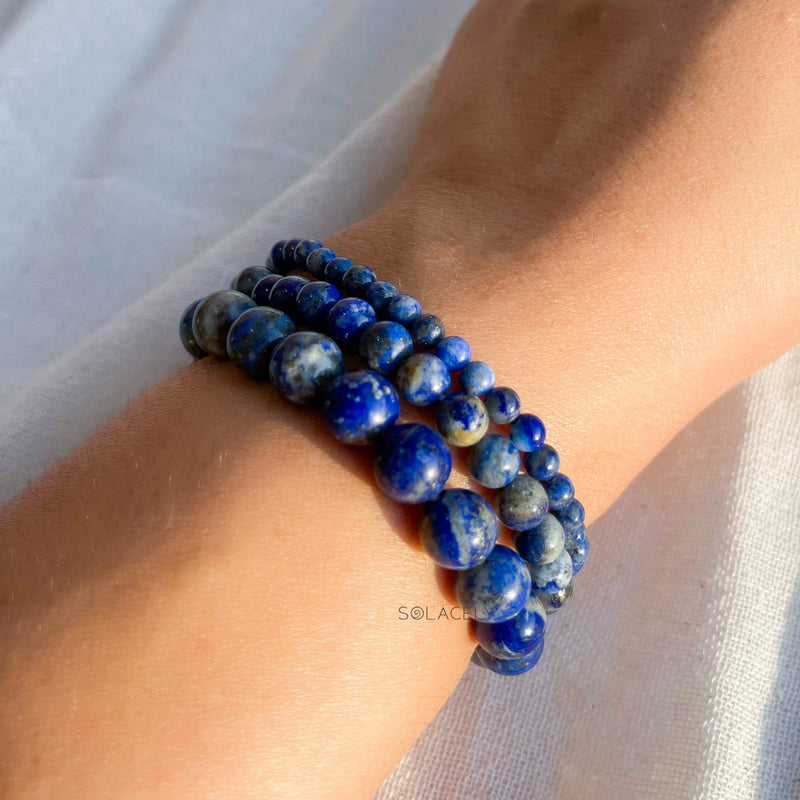
Blue Lace Agate and Sodalite are the two stones most associated with a blue aura, valued in crystal tradition for calm and clear communication. Blue Lace Agate is a soft, banded blue variety of chalcedony; Sodalite is a deeper royal-blue mineral often flecked with white. Both are affordable, everyday stones .
A few blue stones recur in this context:
| Crystal | Traditional association | Typical use |
|---|---|---|
| Blue Lace Agate | Calm, gentle communication | Worn as a bracelet, held before speaking |
| Sodalite | Clear thinking, honest expression | Kept on a desk or carried in a pocket |
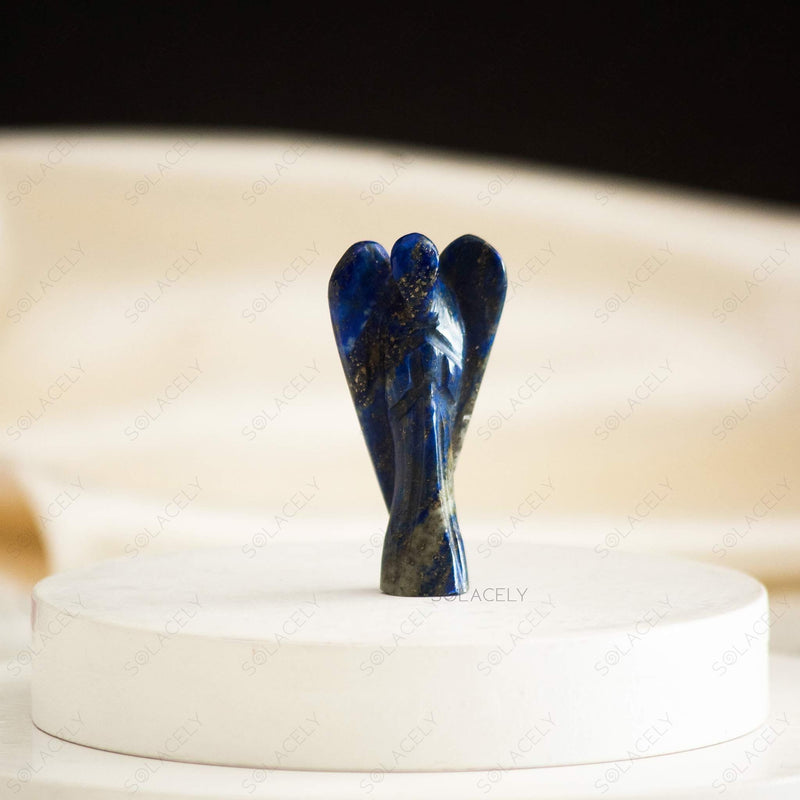
| Lapis Lazuli | Truth, wisdom, intuition | Worn as jewellery or a pendant |
| Aquamarine | Soothing, easing anxiety | Held during reflection or travel |
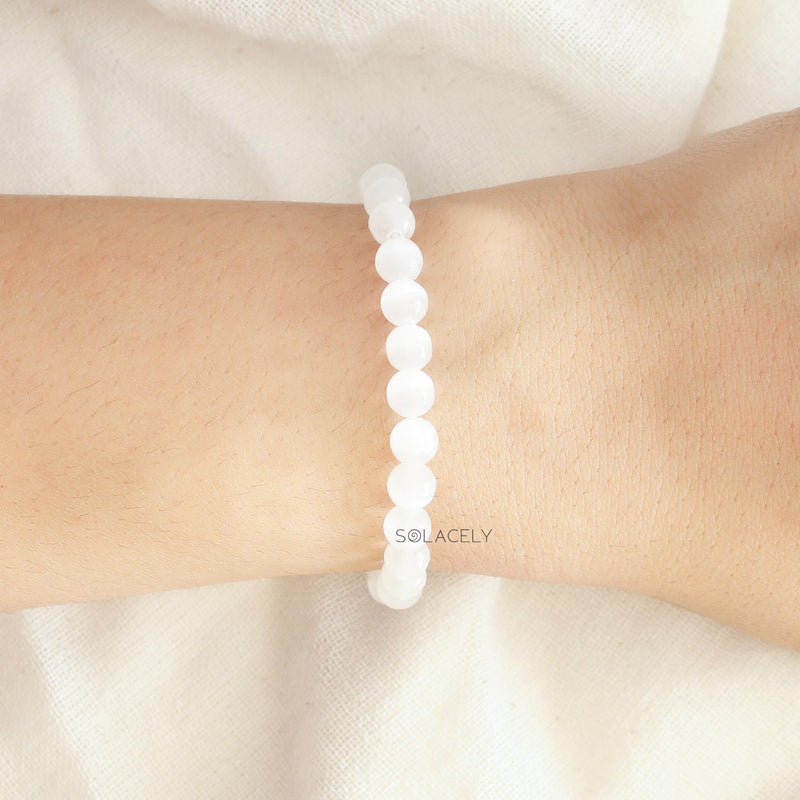
| Celestite | Peace, quiet reflection | Placed in a calm corner of the home |
According to the Gemological Institute of America (GIA), the deep blue of lapis lazuli comes chiefly from the mineral lazurite, prized since antiquity and once ground into the pigment ultramarine. That long history is part of why lapis carries such strong associations with truth and wisdom across cultures.
How people use these stones is simple: worn on the wrist, carried in a bag, or held for a quiet minute before a hard conversation. n crystal practice the blues are the 'help me speak clearly and stay calm' companions. If you are also drawn to gentler, heart-centred stones, the tender tones of a pink aura's warmth pair naturally with calming blues.
Common Challenges of a Blue Aura
The same sensitivity that makes a blue aura calming can tip into emotional overload, difficulty setting boundaries, and a tendency to stay quiet when speaking up would help. Tradition frames these not as flaws but as the shadow side of empathy, the cost of feeling deeply and caring a lot.
A few patterns come up often:
- Emotional overload. Absorbing other people's feelings all day is draining. Blue aura people are said to need real downtime to recover.
- Over-giving. Being the reliable listener can mean neglecting your own needs. Boundaries are the classic remedy.
- Holding back. Ironically, the great communicator can go quiet, swallowing feelings to keep the peace.
- Overthinking. Deep processing has a downside: turning a conversation over and over long after it ends.
If you recognise yourself here, that recognition is the point. Tradition holds that a blue aura stays clear when a person speaks honestly and rests properly. When feeling gets bottled up, the field is said to cloud, the muddy blue described earlier. Naming a need out loud is treated as the simplest reset.
How to Keep a Blue Aura Clear and Balanced
Traditional care for a blue aura centres on honest expression, rest, water, and calming stones, keeping the throat centre open and the mind unhurried. There is no single ritual. The practices work gently, restoring calm and encouraging you to say what you actually feel.
A simple routine many practitioners suggest:
- Speak your truth. Voicing a need, a boundary, or a feeling is treated as the core blue aura practice. Silence is what clouds it.
- Rest and unplug. Quiet, screen-free time helps a sensitive field recover from absorbing others all day.
- Use water. A bath, a swim, or simply time near water is a classic soother for blue energy.
- Try breathwork or humming. Slow breathing and gentle vocal sound are used to open the throat centre. Research collated by the US National Center for Complementary and Integrative Health links slow breathing practices with lower stress.
- Keep a calming stone close. A Blue Lace Agate or Sodalite piece is the traditional companion, held before a difficult conversation.
- Set boundaries. Learning to say no protects the empathy that a blue aura runs on.
A short daily rhythm of these habits is the heart of it. The tone is gentle, not effortful. If you already keep a calming routine for something like the reflective purple aura's mystique, the same softness applies here, with extra emphasis on honest speech and rest.
Buying Blue Aura Crystals : Price Bands
Blue calming crystals span a wide, accessible range.You do not need to spend heavily to begin.
Here is a rough guide for planning a purchase or a gift:
| Band | Tier | Typical piece |
|---|---|---|
| Starter | Entry | Single Sodalite or Blue Lace Agate bracelet, tumbled stone |
| Considered | Mid range | Calming set, quality Lapis Lazuli pendant |
| Statement | Premium | Large Aquamarine or Celestite specimen, curated gift box |
For a first blue stone, a single Blue Lace Agate or Sodalite bracelet is the natural starting point, honest, affordable, and easy to wear daily. Choose the piece you are actually drawn to. In this tradition, the stone you want to keep close is the one that gets used, and a stone that gets used is the one that helps.
Common Mistakes When Reading a Blue Aura
The biggest mistake is treating a blue aura as flat 'calm' and missing its depth of feeling and its link to honest speech. Blue is read as emotional as much as serene. Reducing it to 'peaceful' overlooks the empathy, and the occasional overwhelm, that come with it.
A few other missteps to avoid:
- Ignoring the shade. A muddy blue and a bright blue read very differently; skipping this loses half the meaning.
- Mistaking quiet for coldness. Blue aura people are deeply feeling, not detached. Composure is not indifference.
- Expecting a stone to do the work. No crystal replaces the real remedy, speaking honestly and resting.
- Treating a reading as a diagnosis. Aura work is for reflection only. Lasting low mood belongs with a doctor.
Read alongside the bright clarity of a white aura's calm, or the grounding steadiness described for a black aura in a hard season, blue simply marks where your voice and feelings sit today. It is a starting point for reflection, nothing more fixed than that.
Sources
- Gemological Institute of America (GIA), Lapis Lazuli gem description: gia.edu/lapis-lazuli
- Mindat.org, Sodalite mineral data: mindat.org/min-3701.html
- US National Center for Complementary and Integrative Health, Relaxation Techniques: nccih.nih.gov/health/relaxation-techniques-what-you-need-to-know
Frequently asked questions
About the author


Written by Chetna Sharma, crystal healing practitioner and co-founder of Solacely. Chetna has worked with healing crystals for over a decade and curates Solacely's protective stone collection.