In aura-reading tradition, a white aura is linked with purity, clarity and a fresh, uncluttered spirit. People said to carry it are described as honest, calm and gently protective, often drawn to healing or guiding others. This is a belief system, not scientific fact, but it gives a soft language for self-reflection.
Key Takeaways
- White aura = purity + clarity: traditionally read as one of the rarest, most spiritually 'clear' colours on the aura spectrum.
- Personality: honest, calm, intuitive and caring, often drawn to teaching, healing or counselling roles.
- Shades matter: bright, clean white reads as balanced and open, while a dull or cloudy white is read as depletion or a need for rest (in belief).
- Rarity: aura readers treat white as uncommon, tied to a fresh start or an 'old soul' quality, but this is interpretation, not data.
- Companion crystals: clear quartz and selenite, both prized in tradition for clarity and cleansing. Crystal pieces
- Aura colour is interpretation, not science, use it for reflection, not diagnosis.
What Does a White Aura Mean?
A white aura, in aura-reading tradition, points to a person who feels clear, honest and spiritually open. White holds every colour of light within it, so readers treat it as a symbol of wholeness, a clean slate and a mind free of clutter. It is symbolic belief, not a measurable field around the body.
White has carried a sense of the sacred across cultures for a very long time. white is worn for prayer, tied to Saraswati and to the idea of sattva, a state of clarity and calm in yogic thought. That heritage shapes how the aura is read today. When a practitioner calls someone 'white,' they are borrowing a deep cultural association with purity, truth and new beginnings.
In practical terms, a white aura is often read as a marker of a fresh chapter: someone shedding old weight, tuning into their intuition, or moving toward a more honest, service-minded life. Whether or not you take auras literally, that reading gives many people a gentle mirror to look into.
White Aura Personality Traits
People described with a white aura are traditionally seen as honest, calm and quietly caring. They tend to value truth, sense what others feel, and carry a soothing presence into a room. This is a personality sketch drawn from belief, so treat it as a prompt for reflection rather than a fixed verdict about anyone.
Common traits attributed to a white aura:
- Honesty. A strong pull toward truth and authenticity, uncomfortable with pretence or games.
- Calm presence. A settling energy that others find grounding, often the steady one in a crisis.
- Caring nature. Drawn to healing, teaching and counselling, happiest when they're helping someone.
- Intuition. A felt sense for other people's moods, sometimes described as reading a room instantly.
- Spiritual openness. Comfortable with the bigger questions and a life oriented toward meaning.
There's a flip side. That same openness can tip into over-sensitivity or self-neglect. White-aura people, in the tradition, can absorb everyone else's stress until they're drained, or hold themselves to a standard of purity that's hard to sustain. If you recognise yourself here, the tradition suggests rest, boundaries and honest self-talk rather than pushing harder.
White Aura and Spirituality (as Tradition)
Aura tradition ties white to the crown chakra and to a sense of connection with something higher, whether you call it the divine, the universe or simply inner stillness. The idea is that white-aura people live close to their spiritual instincts and feel a natural pull toward calm, prayer or service. These are cultural and spiritual beliefs, not clinical or scientific claims.
In many homes this idea feels familiar. White is the colour of the pooja thread, of Saraswati's swan and veena, of the clean, sattvic state that yoga and devotion aim toward. Aura readers frame the white aura as a visible shorthand for that clarity. Meditation, time in nature and simple cleansing rituals are the usual suggestions for staying balanced, not because they cure anything, but because clear-minded people often steady themselves through quiet and routine.
It helps to keep expectations honest. A colour cannot foretell your future or replace medical, emotional or financial care. What the tradition offers is a vocabulary for introspection: a way to name a longing for a fresh, honest start and treat it kindly.
Shades of White: From Bright Clarity to Cloudy Grey
Aura readers say the exact shade shifts the meaning. A bright, clean white is read as balance, openness and spiritual clarity, while a soft pearly white reads as gentle and nurturing. A dull, greyish or cloudy white is sometimes read as fatigue, confusion or a need for rest. All of this is interpretive belief, not measurement.
| Shade | Traditional reading | Often linked with |
|---|---|---|
| Bright, clear white | Balance, honesty, spiritual clarity | Healers, teachers, fresh starts |
| Soft pearly white | Gentle, nurturing, protective | Caregivers, peacemakers |
| Silvery white | Heightened intuition, receptivity | Sensitive, reflective people |
| Cloudy / greyish white | Fatigue, confusion, need for rest | People running low or overloaded |
Nobody sits at one fixed shade. In aura tradition the colour is thought to shift with mood, health and spiritual season. A draining stretch might cloud the tone, a period of rest or prayer might brighten it. If you read auras this way, the shade is less a judgement and more a weather report on your inner life.
Is a White Aura Rare?
Aura readers frequently describe white as one of the rarest colours, linking it with advanced spiritual clarity, a fresh beginning or an old-soul quality. Rarity here is a matter of interpretation, not measured data, since auras are not scientifically verified. It is best treated as poetic language rather than a statistic about how many people 'have' it.
The sense of rarity comes partly from what white represents. If white stands for a mind that's genuinely clear, honest and unburdened, that state feels uncommon simply because most of us carry a lot at once. Readers also link white with transition, the moment of a new chapter, birth, deep healing or profound calm, which are, by nature, special stretches rather than everyday ones.
So when a reader calls a white aura rare, they're describing a quality more than counting people. For a very different end of the spectrum, our black aura guide explains how dark tones are read in the same tradition, and why 'dark' doesn't automatically mean negative.
How a White Aura Is Read
Aura readers claim to perceive a white aura through practised intuition, sometimes aided by aura photography, though the images from such cameras reflect skin temperature and equipment settings, not a scientifically verified energy field. Most reading is subjective interpretation. It is best treated as a reflective exercise, not a diagnostic test of any kind.
A typical approach looks like this:
- Settle and soften focus. The reader relaxes and looks slightly past the person rather than straight at them.
- Notice the first impression. Colours are said to appear as a felt sense or a faint tint, often strongest around the head.
- Read the shade and clarity. Bright and clean versus dull or cloudy is interpreted as clear versus depleted.
- Cross-check with the person. A thoughtful reader treats the colour as a starting point, asking how the person actually feels and what they're moving through.
You can try a gentler self-version at home. Sit quietly, notice your mood, energy and what's been on your mind, then ask which colour that feels like. It's journaling with a splash of colour theory. Nothing supernatural required, and nothing to take as literal fact.
Crystals Associated With the White Aura
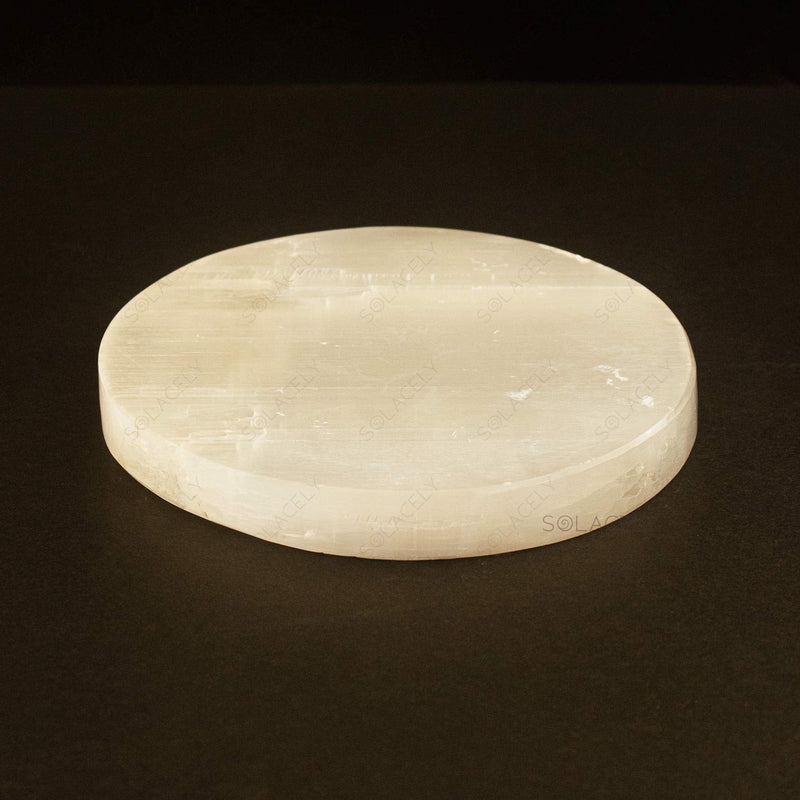
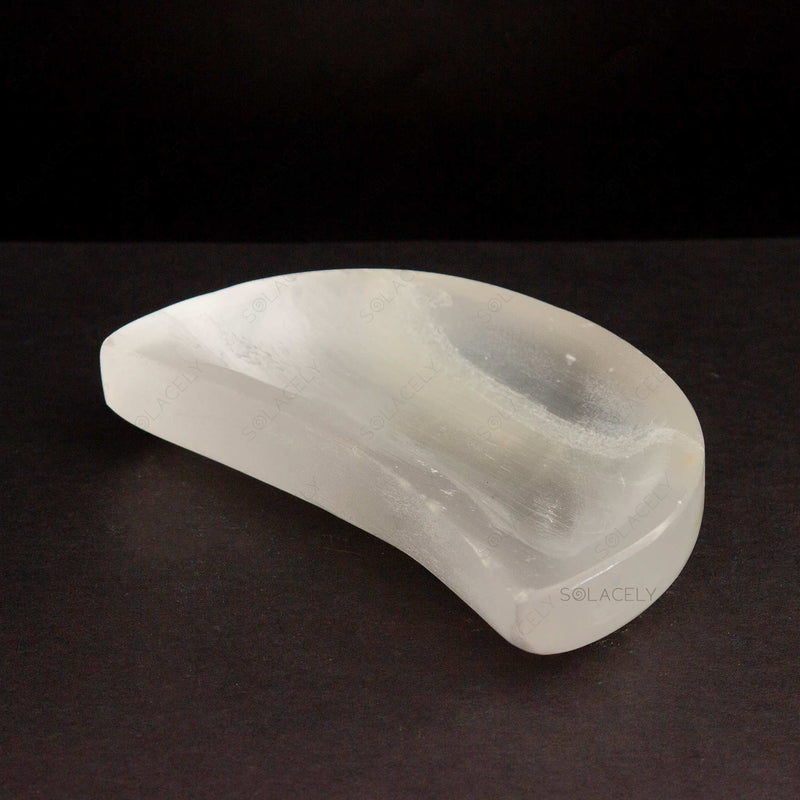
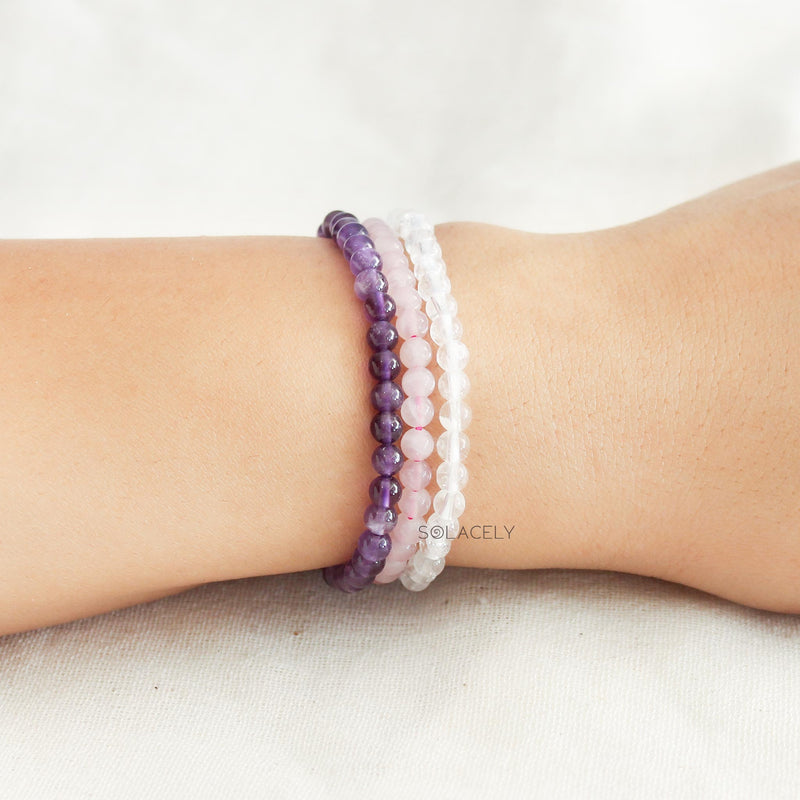
Clear quartz and selenite are the crystals most often paired with a white aura, both valued in tradition for clarity, cleansing and a sense of fresh, open energy. Clear quartz is silicon dioxide, one of the most abundant minerals on Earth, according to the Gemological Institute of America (GIA). In belief, these clear and white stones are chosen to support the honesty and clarity linked with this aura.
A few white-family stones people reach for:
- Clear quartz, the all-rounder, associated in tradition with clarity, focus and amplifying intention.
- Selenite, a soft, luminous white stone linked in belief with cleansing a space and calming the mind.
- Moonstone, a pearly stone tied traditionally to intuition, new beginnings and gentle emotional balance.
- Howlite, a chalky white stone associated in belief with patience, calm and easing an overactive mind.
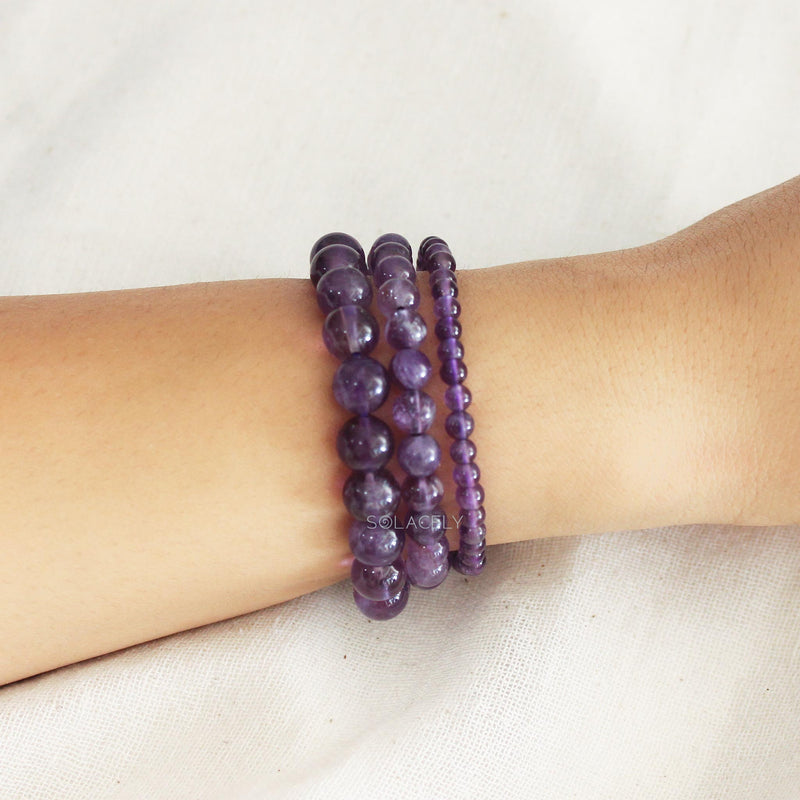
If you're new to crystals, a single clear quartz point is a calm, low-commitment place to begin. For a warmer, heart-led counterpart, readers often explore the pink aura guide and its rose quartz pairings, while our amethyst tree benefits guide shows how a clarity-focused stone is used at home.
How to Balance and Care for a White Aura
In aura tradition, a white aura is kept 'clear' through rest, gentle routine and honest self-care, since its sensitivity and openness tire easily. The advice is simple lifestyle care, protect your energy, stay grounded, make space for stillness, not treatment. Read it as everyday self-care rather than a cure for anything.
Practical, low-effort habits many clarity-seeking people find steadying:
- Guard your quiet. Ten unhurried minutes of stillness before screens and noise set the tone for the day.
- Cleanse your space. A tidy, aired room with a little light and a plant mirrors the clarity you're after.
- Stay honest with yourself. Journaling or a plain daily check-in keeps small worries from piling up.
- Set boundaries kindly. It's fine to step back from draining people and rooms when you're running low.
- Keep a calm corner. A clean spot with a candle, a diya or a piece of clear quartz can hold your daily reset.
The through-line is clarity you can actually live. Whether or not you believe in auras, protecting your peace and keeping life uncluttered are sound habits. If wisdom and higher purpose speak to you too, our violet aura guide sits naturally alongside this one, while the yellow aura guide explores a brighter, more outgoing energy, and the indigo aura guide covers the deep, intuitive blue-violet tone.
Sources
- Gemological Institute of America (GIA), 'Quartz Description' (clear quartz composition and formation): gia.edu/quartz
- Encyclopaedia Britannica, 'White' (colour, symbolism of purity and light): britannica.com/science/color
Frequently asked questions
About the author


Written by Chetna Sharma, crystal healing practitioner and co-founder of Solacely. Chetna has worked with healing crystals for over a decade and curates Solacely's protective stone collection.