The best crystals for the heart chakra (Anahata) are rose quartz, green aventurine, jade, malachite, and rhodonite. In crystal tradition, their pink and green tones are kept for self-love, compassion, forgiveness, and emotional healing. You use them by holding one in meditation, resting it on the chest, or wearing it close.
Key Takeaways
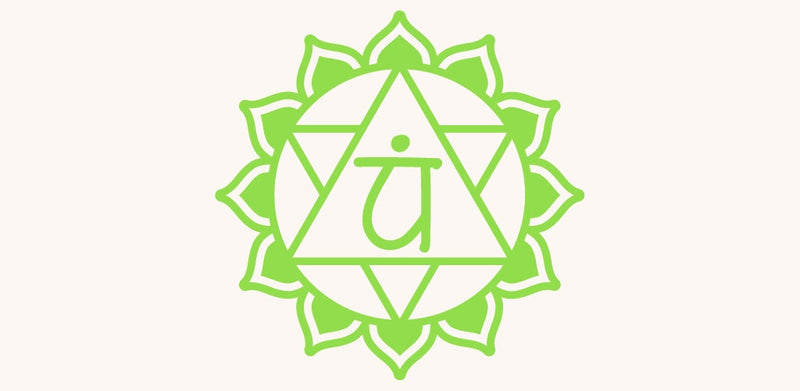
- Anahata, the fourth chakra, sits at the centre of the chest and is traditionally associated with the colours green and pink.
- Rose quartz is kept for self-love and gentleness; green aventurine and jade for calm, growth, and emotional balance.
- Malachite is a bold heart stone for release and boundaries; rhodonite is used for forgiveness and healing old wounds.
- Use stones by resting them on the chest, holding one in meditation, or carrying a piece through the day.
- Cleanse and recharge them with moonlight, smoke, or sound; keep malachite away from water because it is copper-bearing.
The heart chakra is the meeting point of the chakra system, three centres below it and three above. When people describe Anahata feeling closed, they talk about guardedness, resentment, or a reluctance to let anyone near. Crystals do not fix any of that on their own. What they offer is a physical anchor for intention, a small daily ritual you can hold in your hand. This guide covers the five stones most tied to the heart, why each suits it, and exactly how to use them.
Which Crystals Suit the Heart Chakra?
The stones most associated with Anahata share its two traditional colours: soft pink and green. Pink stones like rose quartz and rhodonite are kept for tenderness and self-love. Green stones such as aventurine, jade, and malachite are tied to the chakra's green lotus and to emotional balance, growth, and release. Colour is the simplest way to choose.
Colour is not the only logic, but it is the oldest and most reliable one. In the classic chakra map, each centre carries a hue, and Anahata's is green, with pink often added as the softer, love-focused counterpart. According to Britannica, chakras are understood in yogic tradition as centres of subtle energy along the body, each with its own associations. Matching a stone's colour to the chakra keeps the practice intuitive.
Beyond colour, people choose by intention. Need more gentleness with yourself? Rose quartz. Working through a difficult release? Malachite. Trying to forgive an old hurt? Rhodonite. None of these stones has a proven medical effect. Their value lies in focus, ritual, and the meaning you bring to them.
| Stone | Colour | Traditionally kept for |
|---|---|---|
| Rose Quartz | Soft pink | Self-love, compassion, gentleness |
| Green Aventurine | Green | Calm, growth, emotional well-being |
| Jade | Green | Harmony, serenity, balance |
| Malachite | Deep green | Release, transformation, boundaries |
| Rhodonite | Pink with black | Forgiveness, healing old wounds |
Rose Quartz: The Stone of Self-Love
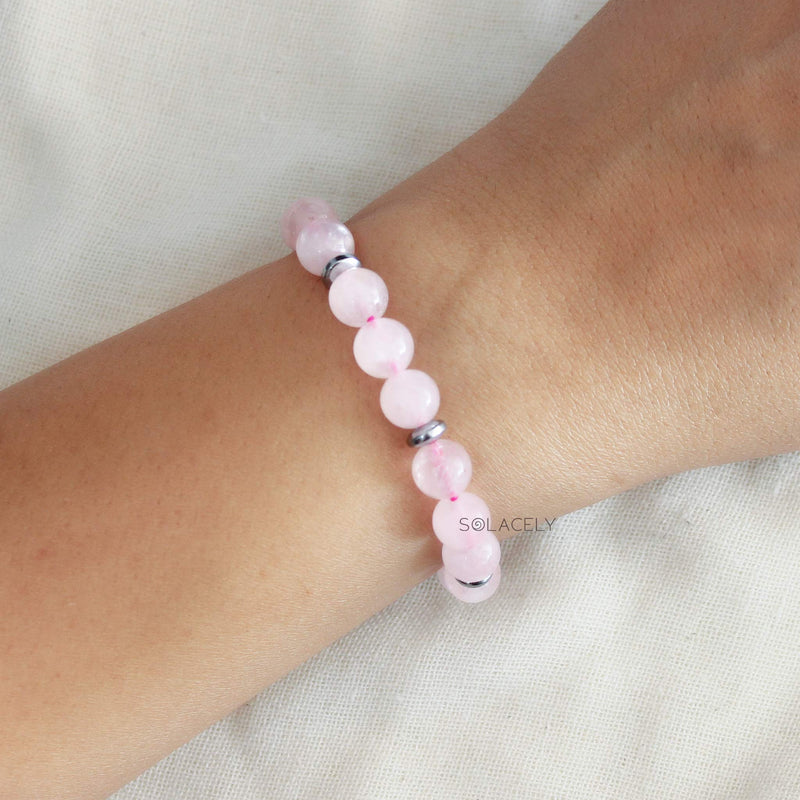
Rose quartz is the most recognised heart-chakra crystal, a pink variety of quartz kept in tradition for love in every form, especially love of oneself. Its soft colour comes from trace mineral inclusions. People turn to it for gentleness, compassion, and emotional comfort, which is why it sits at the centre of most heart practices.
Rose quartz is a silicon dioxide mineral, the same family as clear quartz and amethyst. According to the GIA, quartz is one of the most common minerals on Earth and comes in many colours, with rose quartz owing its pink tone to trace elements. That abundance is good news for buyers: rose quartz is widely available and affordable, so genuine pieces are easy to find.
In practice, rose quartz is the stone for softening. People keep it for self-acceptance after a hard season, for easing resentment, and for opening to connection without bracing. If you are only going to own one heart stone, this is usually the one. Our guide to opening the heart chakra shows how it pairs with breath and meditation.
Green Aventurine: Calm and Growth
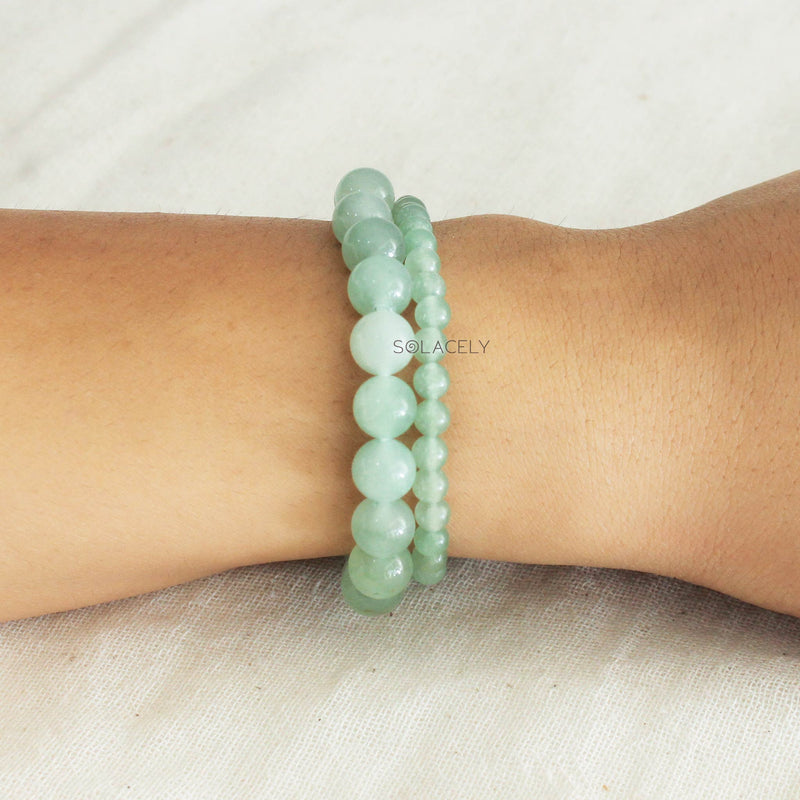
Green aventurine is a green quartz flecked with tiny mineral inclusions that give it a soft shimmer, called aventurescence. Tied directly to Anahata's green colour, it is kept in tradition for emotional calm, steady growth, and a sense of well-being. Many people describe it as the most soothing of the green heart stones.
Where rose quartz is about tenderness, aventurine leans toward quiet optimism. It is the stone people reach for when they want to feel settled rather than raw, to move forward after a setback without forcing it. Some also keep it as a stone of gentle luck and new beginnings, which fits its association with growth and green things.
Aventurine is durable and easy to carry, which makes it practical for everyday use. Slip a tumbled piece into a pocket or bag and it becomes a small, steadying touchstone through a busy day. It pairs naturally with rose quartz: pink for self-love, green for calm, the two halves of the heart's colour story.
Jade: Harmony and Balance
Jade is a green stone prized across cultures for harmony, serenity, and balance. In heart-chakra work it is kept for emotional steadiness and for calming the nervous system after stress. Its deep, even green ties it firmly to Anahata, and its long history gives it a weight that newer crystal traditions lack.
Jade actually refers to two different minerals, jadeite and nephrite, both tough and fine-grained. According to Britannica, jade has been carved and treasured for thousands of years, valued in Chinese culture especially for its toughness and its associations with virtue and harmony. That cultural depth is part of why people keep it close to the heart.
For the heart chakra, jade is the grounding green stone. Where aventurine feels light and jade feels solid, they complement each other well. People use jade to steady the emotions, to release irritability, and to invite a sense of balance when life feels scattered. A smooth jade palm stone is a common choice for meditation.
Malachite: Release and Transformation
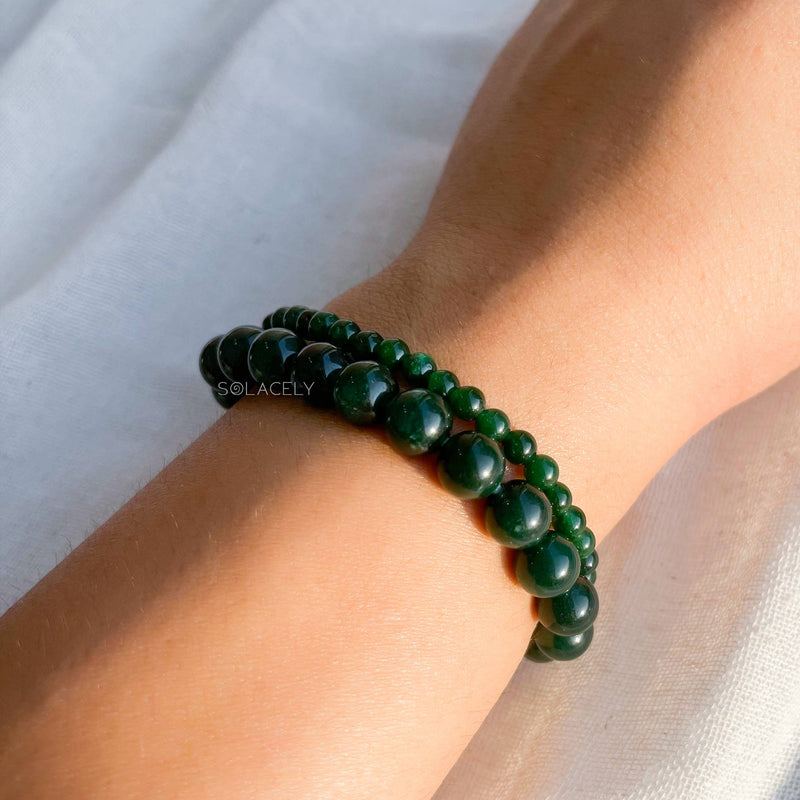
Malachite is a vivid green copper mineral with striking banded patterns, kept in tradition as a stone of release, transformation, and healthy boundaries. It is considered the boldest of the heart-chakra crystals, associated with clearing what no longer serves you and protecting your emotional space. Handle it with a little care.
Malachite is a copper carbonate, which is why its green is so intense and its bands so distinctive. According to the GIA, malachite forms in the oxidation zones of copper deposits and has been used as an ornamental stone and pigment for millennia. Because it contains copper, raw or unpolished malachite dust should not be inhaled or ingested, so keep pieces polished and wash your hands after handling.
In heart work, malachite is the stone for big shifts, not gentle maintenance. People turn to it when they need to release a pattern, set a boundary, or move through grief. It is intense by reputation, so many pair it with calming rose quartz or aventurine to soften the process rather than using it alone.
Rhodonite: Forgiveness and Healing
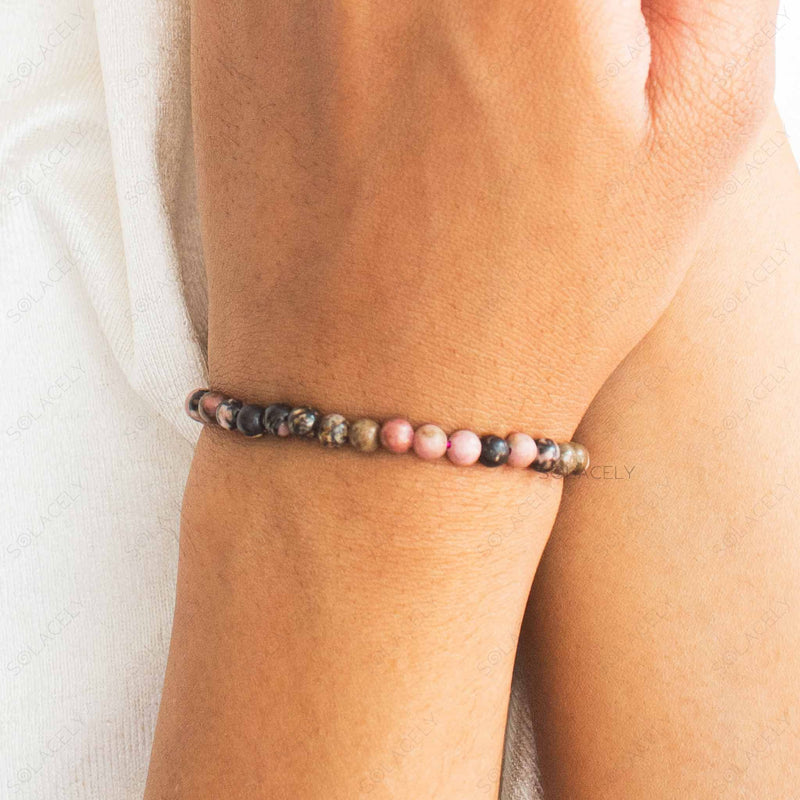
Rhodonite is a pink manganese stone, usually marbled with black veins, kept for forgiveness, emotional healing, and mending old wounds. Its combination of nurturing pink and grounding black makes it a favourite for heart work that involves the past: past hurts, past relationships, past versions of yourself.
Rhodonite's pink comes from manganese, and the black veins are typically manganese oxide. That two-tone quality is often read symbolically: the pink for compassion, the black for grounding, together for the steady, feet-on-the-ground work of forgiveness. People keep it when they want to heal without spiralling, to feel their emotions while staying anchored.
If forgiveness is the heart's central task, rhodonite is its companion stone. It suits the slow work of releasing resentment, both toward others and toward yourself. Pair it with the practices in our heart chakra affirmations guide, since spoken intention and a stone in hand reinforce each other beautifully.
How to Use Heart Chakra Crystals
There are three simple ways to work with heart-chakra crystals: rest a stone on the centre of the chest while lying down, hold one in meditation, or carry a piece through the day. None requires special training. The point is repetition and intention, letting the stone become a quiet cue to return to the heart.
Here is a simple way to start a heart-chakra crystal practice:
1. Choose one stone that matches your intention, rose quartz for self-love, malachite for release. 2. Find a quiet few minutes, ideally the same time each day so it becomes a habit. 3. Lie down and place the stone on the centre of your chest, over Anahata. 4. Breathe slowly, letting each exhale soften the chest, for five to ten minutes. 5. Repeat a short affirmation, such as I am open to giving and receiving love. 6. Carry the stone afterward, in a pocket or as jewellery, as a reminder through the day.
Wearing the stone is the easiest form of daily contact. A bracelet or pendant keeps it near the heart without any effort, which is why heart-chakra jewellery is so popular. For a fuller set of non-crystal practices to pair with your stones, see our guide to chakra balancing techniques.
Cleansing and Charging Your Stones
Many crystal practitioners cleanse a new stone before use and recharge it periodically, a ritual of resetting intention rather than any measurable process. Common methods include moonlight, smudging with sage or palo santo, and sound. Match the method to the stone, since a few crystals do not suit water or long sun exposure.
Water and sunlight need a little judgement. Softer or copper-bearing stones like malachite should be kept away from water, and prolonged direct sun can fade the colour of rose quartz and aventurine over time. When in doubt, the gentlest methods work for everything.
| Method | Good for | Avoid for |
|---|---|---|
| Full-moon light overnight | All five stones | Nothing, safe for all |
| Sage or palo santo smoke | Rose quartz, rhodonite, jade | Nothing, safe for all |
| Sound (bell or bowl) | All five stones | Nothing, safe for all |
| Brief running water | Aventurine, jade, rhodonite | Malachite (copper-bearing) |
The full moon is the most popular charging method because it suits every stone and asks nothing more than a windowsill overnight. Set the stone out, hold a clear intention as you place it, and collect it in the morning. If the framework is new to you, our overview of the seven chakras explained gives helpful context.
Choosing and Buying Heart Chakra Crystals
Heart-chakra crystals are among the most affordable and available stones, since rose quartz, aventurine, and jade are all abundant. Simple tumbled stones and starter pieces are the usual entry point, with larger polished forms, palm stones, and jewellery costing more. Buy by feel as much as by price.
When choosing, trust which stone you are drawn to; that pull is often intention already at work. Look for even colour, a comfortable weight in the hand, and, for jewellery, a size you will actually wear. Rose quartz should feel gently pink and slightly cloudy, not glassy and perfectly clear, which can signal glass rather than stone.
A small starter set covers most heart work: one rose quartz for self-love, one green stone for calm, and one rhodonite or malachite for deeper release. Green and pink together tell the full colour story of Anahata. To understand how the heart's colour fits the wider energy body, our guide to aura colour meanings is a natural companion, and speaking your intention aloud draws on the throat chakra too.
Sources
Frequently asked questions
About the author


Written by Chetna Sharma, crystal healing practitioner and co-founder of Solacely. Chetna has worked with healing crystals for over a decade and curates Solacely's protective stone collection.