Sacral chakra mudras are symbolic hand gestures used in yoga and meditation to focus attention on Svadhisthana, the second chakra below the navel. In yogic tradition, gestures like Shakti, Varuna, and Yoni are believed to support emotional flow, creativity, and sensuality. You hold each gesture quietly for a few minutes while breathing steadily.
Key Takeaways
- Mudras are yogic hand gestures; sacral (Svadhisthana) mudras direct attention to the water element and the area about two finger-widths below the navel.
- The three most-used sacral mudras are Shakti (feminine energy and pelvic release), Varuna (water and emotional fluidity), and Yoni (womb, creativity, self-nurture).
- Hold a mudra gently for 5 to 15 minutes, once or twice a day, ideally seated with slow breathing.
- Benefits are described in tradition as steadier emotions, freer creativity, and comfort with pleasure, not as any measured medical cure.
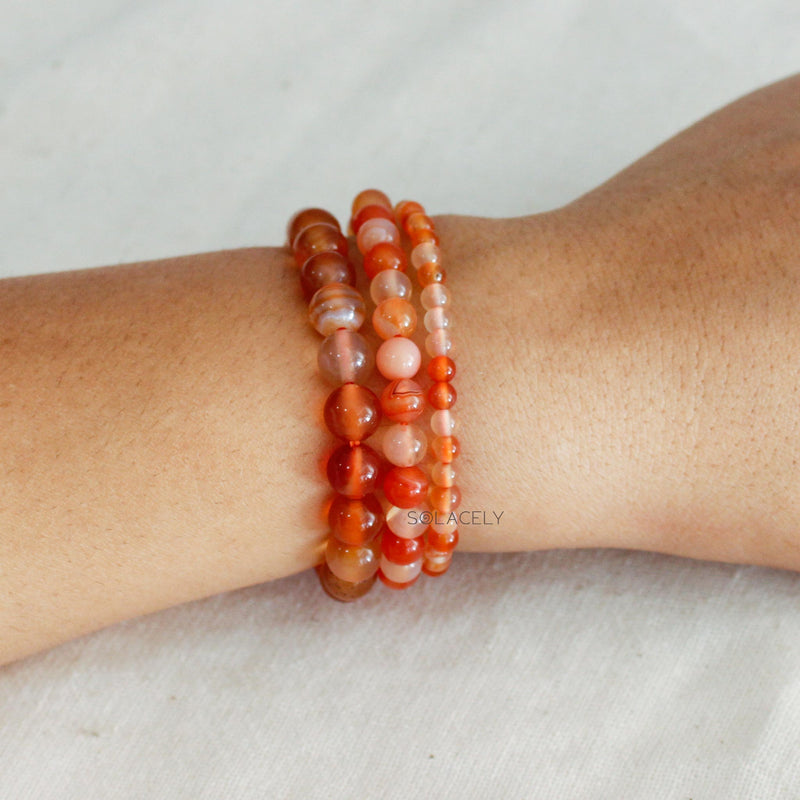
- Mudras cost nothing and need no equipment, though many people pair them with carnelian or orange calcite.
What Are Sacral Chakra Mudras?
A mudra is a fixed hand or finger position used in yoga, dance, and meditation as a gesture of intention. In yogic tradition, sacral chakra mudras are the subset aimed at Svadhisthana, the energy centre linked to the water element, the colour orange, and the qualities of emotion and creativity. They are believed to gently gather attention there.
The word mudra means 'seal' or 'gesture' in Sanskrit. The idea is old and cultural, not clinical. Each finger is traditionally mapped to one of the five elements: thumb to fire, index to air, middle to ether, ring to earth, and little finger to water. Because the sacral chakra is a water centre, mudras that engage the little finger and thumb feature often in this practice.
Mudras ask for very little. No props, no cost, no special room. You can hold one on a train, at your desk, or on a mat before bed. That portability is part of why they have stayed popular for centuries. To understand where this chakra sits and what it governs, our guide on the meaning of the sacral chakra gives the full background.
How Mudras Are Believed to Support the Sacral Chakra
In yogic thought, mudras work by 'sealing' energy, or prana, and drawing awareness to a specific point, in this case the lower abdomen. Practitioners describe holding a gesture and gently placing attention below the navel, letting breath soften the belly. This is a contemplative technique, framed as tradition rather than a proven physiological mechanism.
The felt experience most people report is simpler than the theory. A steady gesture gives the restless hands something to do, and that stillness makes it easier to notice breath and body. For the sacral chakra, teachers often pair the gesture with a soft, wave-like breath into the lower belly, echoing the water element.
None of this is a substitute for care from a doctor or therapist. Traditional chakra practice is a reflective ritual for wellbeing, not a treatment. If you are working through emotional difficulty or a health issue, use mudras alongside proper support, not instead of it. Our broader overview, chakras explained, places this within the full seven-chakra map.
Shakti Mudra: The Feminine-Energy Gesture
Shakti mudra is named for Shakti, the divine feminine energy in Indian tradition. It is formed by folding the thumbs into the palms and wrapping the little and ring fingers over them, with the remaining fingers meeting at the tips. In practice it is associated with the pelvic region and with releasing tension held low in the body.
Because it engages the ring and little fingers, earth and water in the elemental map, teachers link Shakti mudra to grounding and to calm. It is often suggested in the evening, and some people use it as a wind-down gesture before sleep. Below is a step-by-step version you can follow.
How to practise Shakti mudra:
- Sit comfortably with a tall spine, hands resting on your thighs or in your lap.
- Bring your palms to face each other in front of your chest.
- Fold both thumbs into the centre of each palm.
- Curl your ring and little fingers over the thumbs so the fingertips of these two fingers touch their partner on the opposite hand.
- Let the index and middle fingers extend and gently touch at the tips, forming a soft peak.
- Rest the joined hands near your lower belly if that feels natural.
- Breathe slowly into the lower abdomen for 5 to 15 minutes, then release.
Varuna Mudra: The Water Gesture
Varuna mudra is named after Varuna, the Vedic deity of water and the oceans. It is made by touching the tip of the little finger, which represents water, to the tip of the thumb, which represents fire, while keeping the other fingers relaxed and straight. In tradition it is associated with fluid balance and emotional adaptability.
Since the sacral chakra is itself a water centre, Varuna mudra is one of the most natural fits for Svadhisthana work. Practitioners describe using it when emotions feel stuck or dry, hoping to invite a sense of flow. It is easy to hold discreetly, which makes it a good 'anywhere' gesture during a tense day.
How to practise Varuna mudra:
- Sit or stand with relaxed shoulders and open hands.
- On each hand, gently bend the little finger inward.
- Bring the tip of the little finger to touch the tip of the thumb.
- Keep the index, middle, and ring fingers straight and soft, without straining.
- Rest the backs of your hands on your knees or thighs.
- Close your eyes and breathe evenly for 5 to 15 minutes.
If you feel your emotions are blocked and you want a fuller routine, pair this with the techniques in our guide on how to unblock the sacral chakra.
Yoni Mudra: The Womb Gesture
Yoni mudra takes its name from 'yoni,' meaning womb or source in Sanskrit, and is one of the most symbolically resonant gestures for the sacral chakra. The hands interlace and the thumbs and index fingers form a downward-pointing triangle or diamond, often held over the lower belly. It is linked in tradition to creativity, self-nurture, and inner quiet.
Because Svadhisthana governs creation in the widest sense, from making a child to making art, Yoni mudra is a favourite in creative or fertility-focused meditation. It is a turning-inward gesture, so it suits quiet, undisturbed sessions rather than busy public moments. Treat the fertility associations as cultural belief, not medical advice.
How to practise Yoni mudra:
- Sit tall in a comfortable seat, hands in your lap.
- Bring your palms together, then turn them so the fingers point away and slightly down.
- Interlace the middle, ring, and little fingers on the inside.
- Extend the index fingers so their tips meet, pointing down.
- Bring the thumb tips together at the top, forming a triangle or diamond shape.
- Rest the shape over your lower abdomen and breathe softly for 5 to 15 minutes.
Sacral Chakra Mudras Compared at a Glance
Each sacral mudra leans on a slightly different quality, so many practitioners rotate between them or pick by mood. The table below sums up the three core gestures plus two supportive ones you may see in classes, with the traditional focus of each. Use it to choose a starting gesture rather than as a set of rules.
| Mudra | Sanskrit meaning | Traditional focus | Good time to use |
|---|---|---|---|
| Shakti | Divine feminine energy | Pelvic release, calm, grounding | Evening wind-down |
| Varuna | Water deity | Emotional flow, fluid balance | Tense or 'stuck' days |
| Yoni | Womb, source | Creativity, self-nurture, inner quiet | Quiet creative sessions |
| Gyan | Knowledge | Focus, calm mind (a gentle starter) | First-time practice |
| Prithvi | Earth | Stability, steady vitality | When feeling scattered |
Beginners often start with Gyan mudra, thumb tip to index tip, simply because it is easy to hold while learning to breathe slowly. From there, moving to Varuna or Shakti feels natural. There is no obligation to learn all of them; consistency with one gesture matters more than collecting many.
How to Build a Simple Mudra Practice
A workable sacral mudra practice needs only a few minutes and a quiet corner. Sit comfortably, choose one gesture, hold it gently, and breathe into the lower belly for 5 to 15 minutes, once or twice a day. Regular short sessions are traditionally valued over rare long ones. Consistency, not intensity, is the guiding idea.
Here is a beginner-friendly routine you can repeat daily:
- Find a quiet spot where you will not be interrupted for ten minutes.
- Sit with a tall, relaxed spine, on a chair or cushion.
- Take five slow breaths to settle, letting the belly soften.
- Form your chosen mudra, Varuna is a gentle first choice.
- Rest your attention two finger-widths below the navel.
- Breathe in a slow, wave-like rhythm for 5 to 10 minutes.
- Release the gesture, sit quietly for a moment, then carry on with your day.
Many people fold this into an existing habit: during pranayama, at the end of a yoga session, or in the last minutes before sleep. You can also combine mudras with the wider routines in our guide to chakra balancing techniques, which covers sound, movement, and colour.
When to Use Sacral Mudras and What to Pair Them With
Sacral mudras suit moments when you want to steady your emotions or reconnect with creativity, and they need no special setting. In tradition they pair well with the water element and the colour orange, so people often combine them with orange stones, hip-opening postures, and warm, sensory rituals. These pairings are cultural, not clinical.
Common companions to a mudra practice include:
- Crystals: carnelian and orange calcite are the classic sacral stones.
- Aromatics: sandalwood, sweet orange, or ylang-ylang, used gently and never applied undiluted to skin.
- Movement: hip-openers such as Baddha Konasana (bound angle) and gentle pelvic circles.
- Colour: wearing or surrounding yourself with soft orange tones.
- Breath: slow, low belly breathing to echo the water quality.
The sacral chakra also sits close to the root and solar plexus centres, and practitioners often work the three together. If lower-body grounding is your aim, our pieces on how to unblock the root chakra, root chakra healing, and how to unblock the solar plexus sit naturally alongside sacral work.
Traditional Benefits and Common Mistakes
In yogic tradition, sacral mudras are believed to encourage smoother emotions, freer creative expression, and an easier relationship with pleasure and intimacy. These are described as felt, subjective shifts, not measured medical outcomes. Held regularly, the gestures are also simply calming, giving the hands and mind a small, quiet anchor.
The most common mistakes are easy to avoid. People strain their fingers into 'perfect' shapes, hold their breath, or expect a dramatic result in one sitting. A mudra should feel soft. If a gesture hurts, ease off. If the shape is fiddly, use a simpler one. The point is attention and breath, not finger gymnastics.
Give the practice a few weeks before judging it. Like any contemplative habit, mudras tend to reveal their value slowly, through small, cumulative moments of steadiness rather than a single flash. Keep the expectations gentle and the practice regular.
Sources
- Encyclopaedia Britannica, "Mudra (symbolic gesture)." britannica.com
- Encyclopaedia Britannica, "Yoga." britannica.com
- National Center for Complementary and Integrative Health (NIH), "Yoga: What You Need To Know." nccih.nih.gov
Frequently asked questions
About the author


Written by Chetna Sharma, crystal healing practitioner and co-founder of Solacely. Chetna has worked with healing crystals for over a decade and curates Solacely's protective stone collection.