To unblock the sacral chakra (Svadhisthana), the tradition combines gentle hip-opening yoga, slow belly breathwork, contact with water, creative play, orange-toned affirmations, hand mudras, and carnelian crystals. Practised a few minutes daily, these habits are believed to restore the flow of emotion, pleasure, and creativity that this second energy centre governs.
Key Takeaways
- The sacral chakra sits about two finger-widths below the navel and, in yogic tradition, governs emotion, creativity, sexuality, and the ability to feel pleasure.
- Signs described as a 'block' include creative stagnation, emotional numbness or overwhelm, low desire, and rigidity around change. These are traditional cues, not a medical diagnosis.
- Core practices are hip-opening yoga (Baddha Konasana, Malasana), 4-6 slow belly breaths, water contact, daily creative acts, affirmations, and mudras.
- Carnelian and orange calcite are the stones traditionally paired with Svadhisthana, kept for focus and intention rather than treatment.
- Consistency matters more than intensity: 10-15 minutes a day for two to three weeks is the rhythm most practitioners recommend.
What 'unblocking' the sacral chakra actually means
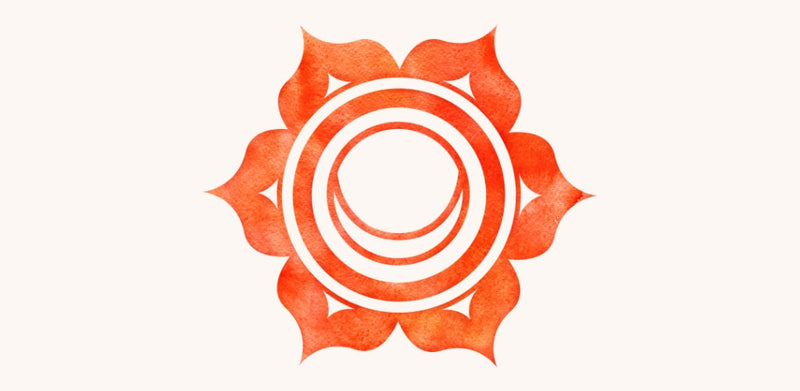
In yogic tradition, the sacral chakra is the second of the seven main energy centres, sitting just below the navel and linked to water, the colour orange, and the seed sound Vam. 'Unblocking' it means restoring a free, easy flow of emotion, pleasure, and creativity that a block is said to stall. It is a belief system, not a clinical model.
The chakra framework comes from classical yoga and tantra, mapped onto the body along the spine. Svadhisthana loosely translates as 'one's own dwelling place.' When practitioners talk about it being blocked, they mean an inner sense of feeling stuck, flat, or cut off from joy, rather than any organ or nerve you could scan.
That distinction matters. None of this diagnoses or treats a physical condition. Think of chakra work the way you would a reflective ritual: a structured way to check in with your mood, your creativity, and your relationship with pleasure. For the full map of all seven centres, our guide to chakras explained sets the context, and the meaning of the sacral chakra covers its symbolism in depth.
Signs your sacral chakra may feel blocked
Traditionally, a blocked sacral chakra shows up as emotional and creative friction: you feel numb or, conversely, flooded by feelings you can't steady. Creativity dries up, change feels threatening, and desire or playfulness fades. These are subjective, self-reported cues used within the tradition, never a substitute for a proper medical or mental-health assessment.
Practitioners describe two opposite patterns. An 'under-active' sacral chakra reads as flatness: low creativity, disconnection from pleasure, difficulty forming close bonds. An 'over-active' one reads as excess: mood swings, emotional dependency, or chasing pleasure to numb discomfort. Both are framed as the same energy losing its balance.
Here is how the tradition sorts the common signs:
| Pattern | How it is described | Everyday form |
|---|---|---|
| Under-active | Emotion feels shut down | Creative block, numbness, low desire |
| Over-active | Emotion runs the show | Mood swings, over-attachment, restlessness |
| Balanced | Feelings flow and settle | Playful, creative, comfortable with change |
If you notice these signs alongside low motivation or fear around safety, the neighbouring centre may be involved too. The root chakra unblocking guide is a useful companion, since the root and sacral are often worked together for a sense of grounded ease.
Hip-opening yoga to release the sacral chakra
Hip-opening asana is the practice most associated with Svadhisthana, because the tradition places this chakra in the pelvis and lower belly. Poses like Baddha Konasana (Bound Angle), Malasana (Garland squat), and gentle hip circles are believed to loosen held tension and let the energy move. Move slowly, and never force a stretch.
According to Encyclopaedia Britannica, yoga is a classical Indian discipline combining posture, breath control, and meditation, and its physical benefits in areas such as flexibility and stress are increasingly studied. The chakra layer sits on top of that as interpretation, but the movement itself is genuinely calming.
A simple sacral sequence you can do on a mat:
1. Baddha Konasana (Bound Angle): Sit tall, soles of the feet together, and let the knees fall open. Breathe here for 6-8 slow breaths. 2. Malasana (Garland squat): Lower into a deep squat, heels down if you can, elbows gently pressing the knees wide. Hold for 5 breaths. 3. Hip circles: On all fours or standing, circle the hips slowly in each direction, 8-10 times. 4. Supta Baddha Konasana: Lie back with soles together, a cushion under each knee, and rest for a minute or two.
Keep the breath easy throughout. If you enjoy building a full pose set this way, the approach mirrors our root chakra yoga poses guide, which uses the same slow, grounded style for the centre just below.
Belly breathwork for emotional flow
Breathwork aimed at the sacral chakra centres on slow, diaphragmatic breathing into the lower belly, the physical seat the tradition assigns to Svadhisthana. A common practice is 4-6 rounds of inhaling for a count of four, letting the belly expand, then exhaling for six. Slow exhalation is well documented to calm the nervous system.
The National Center for Complementary and Integrative Health (NIH) notes that slow, deep breathing practices are among the relaxation techniques studied for easing stress and supporting a sense of calm. That is the grounded, evidence-linked layer. The chakra framing simply adds intention: as you breathe into the lower belly, you picture warmth and softness spreading there.
Try this once or twice a day. Sit or lie comfortably, rest a hand below the navel, and breathe so that hand rises more than your chest. Let the exhale be longer than the inhale. Many people pair the breath with the seed sound Vam, chanted softly on the out-breath, as a focus point rather than a requirement.
Water and creativity practices
The sacral chakra's element is water, so much of its 'unblocking' advice involves fluidity: contact with water and free, unjudged creative expression. A daily creative act, ten minutes of drawing, dancing, cooking, or writing, is the single practice most often recommended, because it exercises exactly the flow this centre is said to govern.
Water rituals are simple. A warm bath, a walk beside a river or the sea, or even the sound of rain are all used to evoke the element. In an Indian home, this might be as ordinary as an unhurried bath with a few drops of orange oil, or sitting near running water while you unwind.
Creativity is treated as non-negotiable here, and importantly, the point is not to be good at it. The tradition values the doing over the outcome. Dance in your kitchen, sketch without erasing, improvise a meal. Playfulness is the goal, because a blocked sacral chakra is described as one that has forgotten how to play.
Sacral chakra affirmations
Affirmations for Svadhisthana are short, present-tense statements built around pleasure, creativity, and emotional permission, spoken while you focus on the lower belly or a warm orange colour. The tradition suggests repeating three to five of them each morning, aloud or silently, as a way to reset your inner narrative around feeling and desire.
The idea is gentle self-talk, not magic words. Choose lines that feel true enough to grow into. A few examples in the sacral spirit:
- 'I allow myself to feel my emotions fully.'
- 'I welcome pleasure and creativity into my life.'
- 'I move with the ease and flow of water.'
- 'It is safe for me to enjoy my life.'
- 'I embrace change with an open heart.'
Say them slowly, ideally paired with the belly breathing above. If affirmations resonate with you as a practice, the same method applied to the heart centre is laid out in our heart chakra affirmations guide, which you can adapt line by line.
Mudras for the sacral chakra
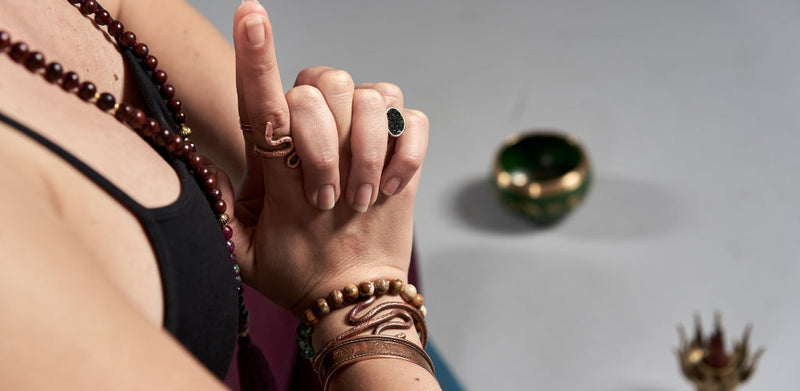
Mudras are symbolic hand gestures used in yoga and meditation to direct attention and, in tradition, energy. For the sacral chakra the classic one is Shakti mudra, formed by interlacing the fingers and pressing the ring and little fingers together, held during quiet breathing. It is believed to support relaxation and the pelvic, watery quality of Svadhisthana.
Mudras are meant to be effortless. You hold the shape lightly on your lap for a few minutes while you breathe, rather than straining the hands. Because they need no props and no space, they suit a short desk break or the last few minutes before sleep.
For step-by-step hand positions and how long to hold each one, our dedicated sacral chakra mudras guide walks through the full set. Pair a mudra with the affirmations and belly breath and you have a complete five-minute practice you can repeat daily.
Crystals for the sacral chakra: carnelian and orange calcite
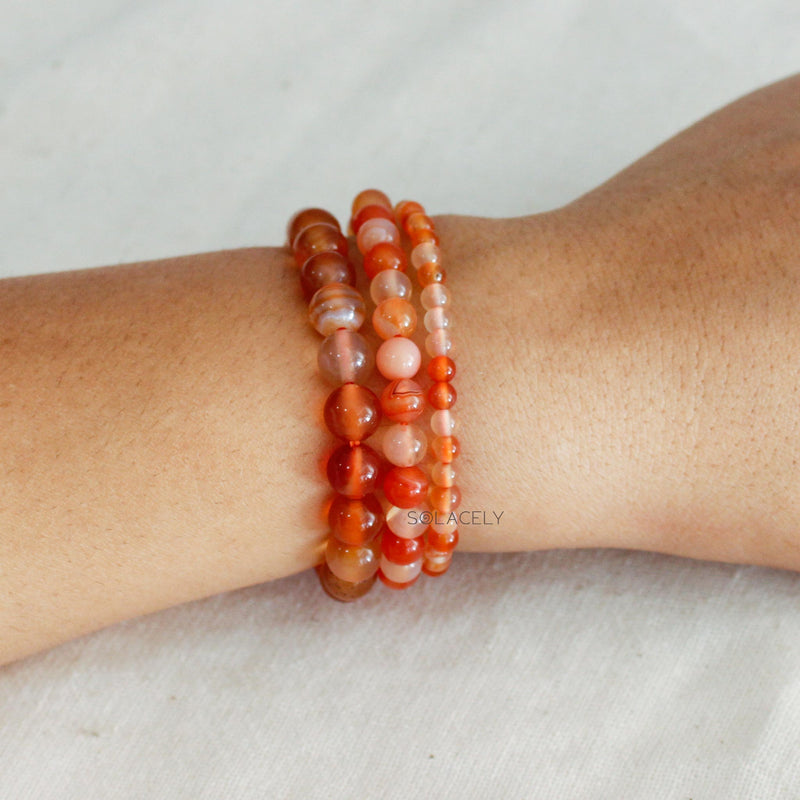
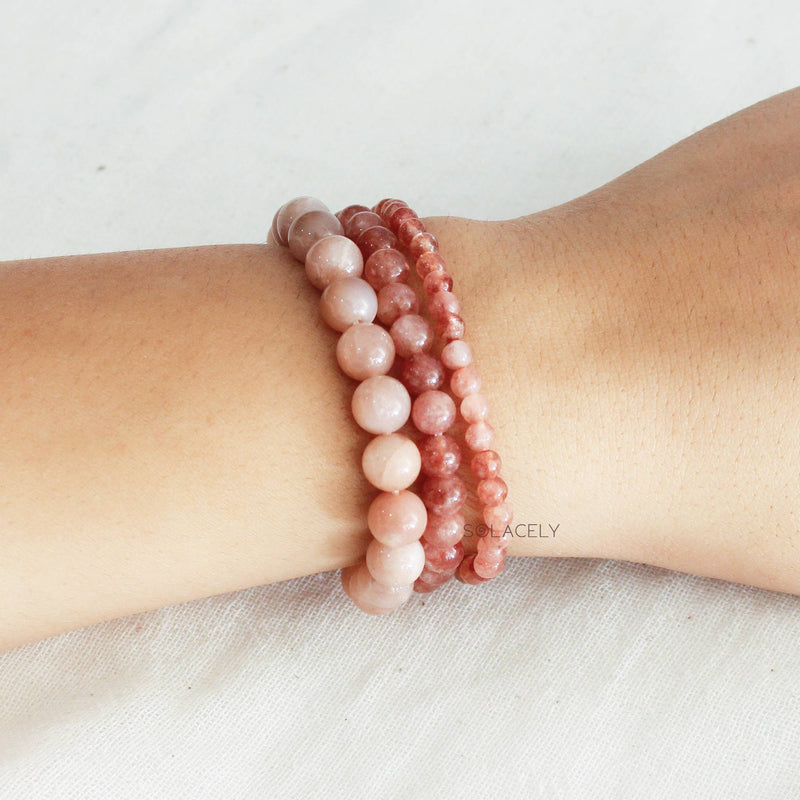
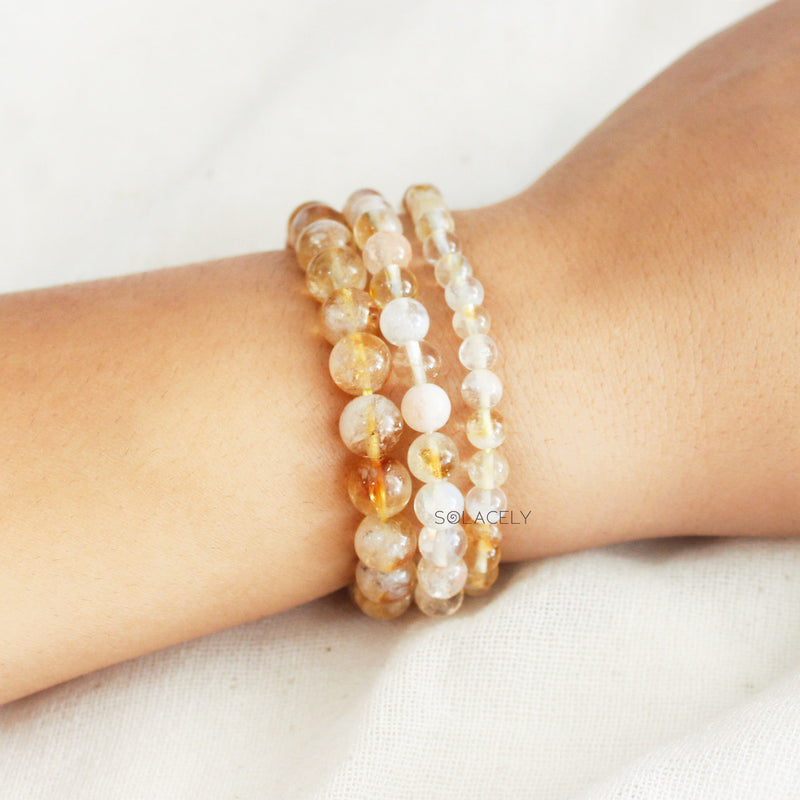
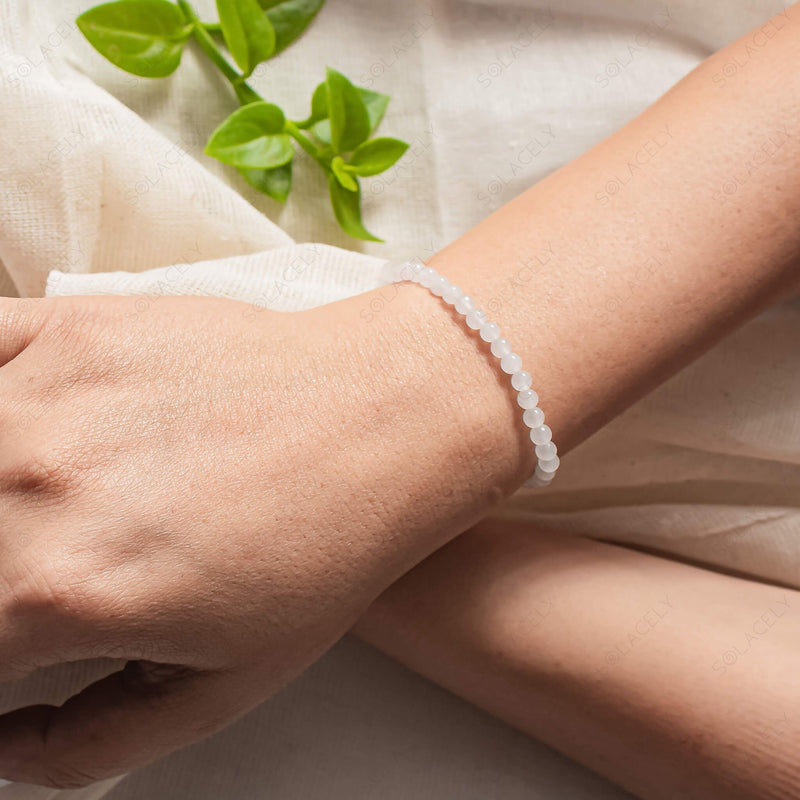
Carnelian is the stone most closely tied to the sacral chakra, chosen for its warm orange colour that matches Svadhisthana's traditional hue. Orange calcite and sunstone are the common companions. In this tradition the stones are kept for focus and intention, held during meditation or worn as a bracelet, not used as any kind of treatment.
According to the Gemological Institute of America, carnelian is a translucent orange-to-red variety of chalcedony, a form of microcrystalline quartz prized since antiquity for jewellery and carving. That is its honest mineralogy. The chakra association is symbolic, resting on the colour rather than any measurable property of the stone.
How the common sacral stones compare:
| Stone | Colour | Traditional intention |
|---|---|---|
| Carnelian | Warm orange-red | Creativity, confidence, drive |
| Orange calcite | Soft orange | Emotional flow, playfulness |
| Sunstone | Peach-gold | Warmth, joy, vitality |
To use a stone, hold it at the lower belly during your breathwork, keep a tumble on your desk while you create, or wear a bracelet through the day as a quiet reminder. Cleanse it now and then under running water or in indirect sunlight. For the wider toolkit of sound, colour, and meditation methods that work alongside crystals, see our essential chakra balancing techniques.
A simple daily routine to put it together
The tradition favours a short, consistent daily rhythm over occasional long sessions. A workable routine is 10-15 minutes: a few hip-opening poses, six rounds of belly breath with a mudra, three affirmations, and a small creative act, ideally repeated for two to three weeks before you judge the effect.
You do not need all eight methods every day. Pick two or three that fit your life and stack them. A realistic weekday version might be: two minutes of hip circles after waking, a minute of belly breathing with carnelian in hand, and ten minutes of sketching or journaling in the evening.
The neighbouring solar-plexus centre governs confidence and personal power, and many people work the two together for a sense of creative self-assurance. If that speaks to you, the solar plexus unblocking guide pairs naturally with this one. Above all, treat the practice as gentle self-care, and see a professional for any persistent emotional or physical concern.
Sources
- Encyclopaedia Britannica, "Yoga," the classical Indian discipline of posture, breath, and meditation. britannica.com
- National Center for Complementary and Integrative Health (NIH), "Relaxation Techniques: What You Need To Know." nccih.nih.gov
- Gemological Institute of America, chalcedony and carnelian description. gia.edu
Frequently asked questions
About the author


Written by Chetna Sharma, crystal healing practitioner and co-founder of Solacely. Chetna has worked with healing crystals for over a decade and curates Solacely's protective stone collection.